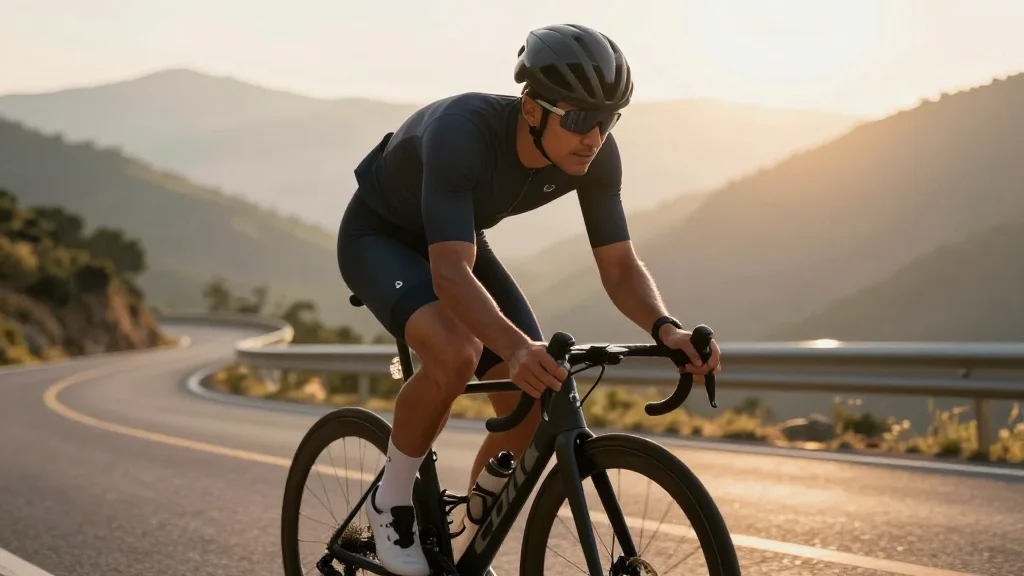
Traka Gravel Series Delivers Record Wins and Ultra-Endurance Insights

Companies Mentioned
Why It Matters
The Traka series sits at the intersection of competitive cycling and ultra‑endurance sport, offering a real‑world testbed for training methodologies that can be applied across the broader fitness ecosystem. Schmidt’s sub‑10‑hour 360km win demonstrates how periodized high‑intensity work can translate into decisive performance gains, while Nutt’s debut underscores the mental resilience required for ultra‑distance events. Bosoni’s water‑bottle mishap highlights the critical role of nutrition logistics, a lesson that resonates with endurance athletes in any discipline. Together, these stories provide actionable data for coaches, sports scientists and athletes aiming to push the limits of human endurance. Moreover, the media attention surrounding the Traka events amplifies the commercial appeal of gravel racing, attracting sponsorships and technology partners eager to showcase products that support long‑duration performance. As more athletes adopt gravel and ultra‑endurance formats, the training insights from this weekend will likely filter into mainstream fitness programming, influencing everything from group rides to high‑intensity interval classes.
Key Takeaways
- •Mads Würtz Schmidt won the Traka 360 in 9h 57m 38s, a 325km course, with an 11‑minute margin.
- •Victor Bosoni defended his men's title at the 560km Traka Adventure in 22h 11m, despite a water‑bottle failure.
- •Maddy Nutt captured the women's 560km debut, burning ~15,000 calories and breaking the course record by 2.5 hours.
- •Schmidt credited a focused training program started in January; Nutt emphasized flexible start windows for pacing.
- •Bosoni’s hydration issue underscores the importance of contingency planning in ultra‑endurance events.
Pulse Analysis
The Traka gravel series is crystallizing a new paradigm in endurance training: the blend of high‑volume mileage with precision data analytics. Historically, ultra‑distance cyclists relied on intuition and anecdotal nutrition plans; today, athletes like Schmidt and Bosoni are integrating power‑based pacing, real‑time heart‑rate monitoring, and meticulous hydration strategies. This shift mirrors broader trends in elite sport where marginal gains are extracted through technology and science.
From a market perspective, the visibility of these performances fuels a virtuous cycle for equipment manufacturers and nutrition brands. Gravel‑specific bikes, carbon‑fiber frames, and tubeless tire systems are being marketed as essential tools for conquering the technical sections highlighted in the Traka courses. Simultaneously, electrolyte‑rich gels and high‑calorie drink mixes are positioned as indispensable for multi‑day events, capitalizing on the narrative of athletes like Nutt who burned 15,000 calories in a single race.
Looking ahead, the data emerging from the Traka series will likely inform training periodization models for a wider audience. Coaches may adopt Schmidt’s January‑to‑July build‑up framework, while sports scientists could study Nutt’s psychological coping mechanisms during prolonged monotony. As gravel racing continues to attract recreational cyclists seeking the thrill of ultra‑endurance, the lessons from Girona will become part of the mainstream fitness curriculum, shaping how athletes train, fuel, and recover for the next generation of long‑haul challenges.
Traka Gravel Series Delivers Record Wins and Ultra-Endurance Insights
Comments
Want to join the conversation?
Loading comments...