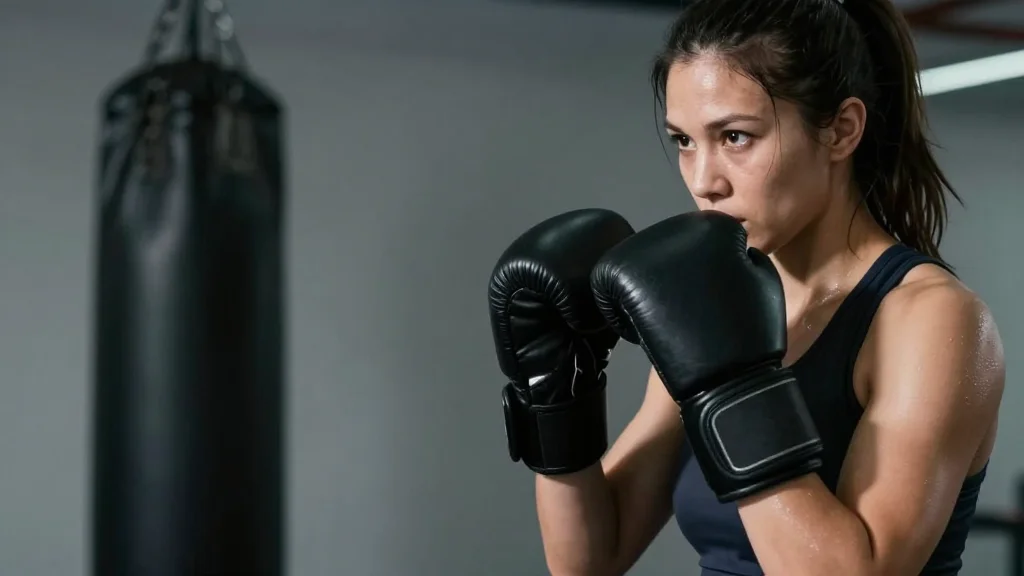
UFC Champion Valentina Shevchenko Unveils Training Blueprint for Longevity

Companies Mentioned
Why It Matters
Valentina Shevchenko’s disclosed regimen bridges the gap between elite combat training and mainstream fitness science, showing that systematic periodization, targeted recovery, and mental conditioning are not optional luxuries but essential pillars for sustained success. Her approach could reshape how gyms and fight camps design programs, moving away from ad‑hoc high‑intensity spikes toward data‑backed cycles that protect athletes’ bodies and minds. If adopted broadly, these practices could lower the incidence of overuse injuries, extend athletes’ competitive lifespans, and raise the overall quality of fights, benefiting promoters, broadcasters, and fans alike. Moreover, the emphasis on mental rehearsal highlights the commercial potential for sports‑psychology services within the MMA ecosystem.
Key Takeaways
- •Shevchenko follows a three‑phase periodized macro‑cycle: conditioning, strength, and peaking.
- •Weekly deload days incorporate yoga, swimming, and foam‑rolling to aid recovery.
- •Morning visualization and breath‑work are core mental‑preparation tools.
- •Contrast water therapy and targeted nutrition (high protein, omega‑3, magnesium) support muscle repair and sleep.
- •Her disclosed routine offers a replicable model for extending athlete longevity in combat sports.
Pulse Analysis
Valentina Shevchenko’s public breakdown of her training philosophy arrives at a moment when the MMA industry is grappling with athlete burnout and short career arcs. Historically, many champions have relied on high‑volume, high‑intensity training year‑round, often resulting in chronic injuries that truncate careers. Shevchenko’s systematic periodization mirrors practices long used in Olympic sports, where athletes peak for specific events and then enter recovery phases. By translating that model to a year‑round fight schedule, she demonstrates that elite performance can be sustained without sacrificing health.
The mental component she emphasizes—visualization and breath control—signals a shift toward integrating sports psychology into everyday fight preparation. While elite teams have employed psychologists for years, the broader gym culture has lagged. Shevchenko’s endorsement may accelerate adoption of mental‑training modules, creating new revenue streams for coaches and therapists specialized in combat sports.
From a market perspective, gyms and training facilities that incorporate periodized programming, recovery tech (contrast tubs, cryotherapy), and mental‑skill coaching could differentiate themselves in a crowded fitness landscape. Early adopters may attract not only aspiring fighters but also recreational athletes seeking high‑performance methodologies. As the industry watches Shevchenko’s continued dominance, her blueprint could become a benchmark for the next generation of champions, reshaping how success is built and maintained in the octagon.
UFC Champion Valentina Shevchenko Unveils Training Blueprint for Longevity
Comments
Want to join the conversation?
Loading comments...