Warriors’ Sports‑Medicine Director Rick Celebrini Pushes Player‑First, Holistic Care Model

Companies Mentioned

NBA
Why It Matters
Celebrini’s model signals a turning point for professional sports medicine, where holistic, player‑first care is becoming a competitive advantage rather than a peripheral service. By marrying personal rapport with real‑time analytics, the Warriors aim to minimize injury downtime, a factor that directly influences win‑loss records and revenue. If successful, other NBA teams—and leagues worldwide—may adopt similar frameworks, accelerating industry‑wide investment in integrated health platforms and reshaping how athletes train, recover, and perform. The approach also highlights a growing recognition that mental health, nutrition, and sleep are as critical as physical therapy in elite performance. As player unions push for better health safeguards, Celebrini’s strategy could inform collective bargaining discussions and set new standards for contractual health clauses across the league.
Key Takeaways
- •Rick Celebrini, 58, serves as Golden State Warriors’ Director of Sports Medicine and Performance.
- •Celebrini’s player‑first philosophy stems from his own career‑ending injuries as a Canadian soccer prospect.
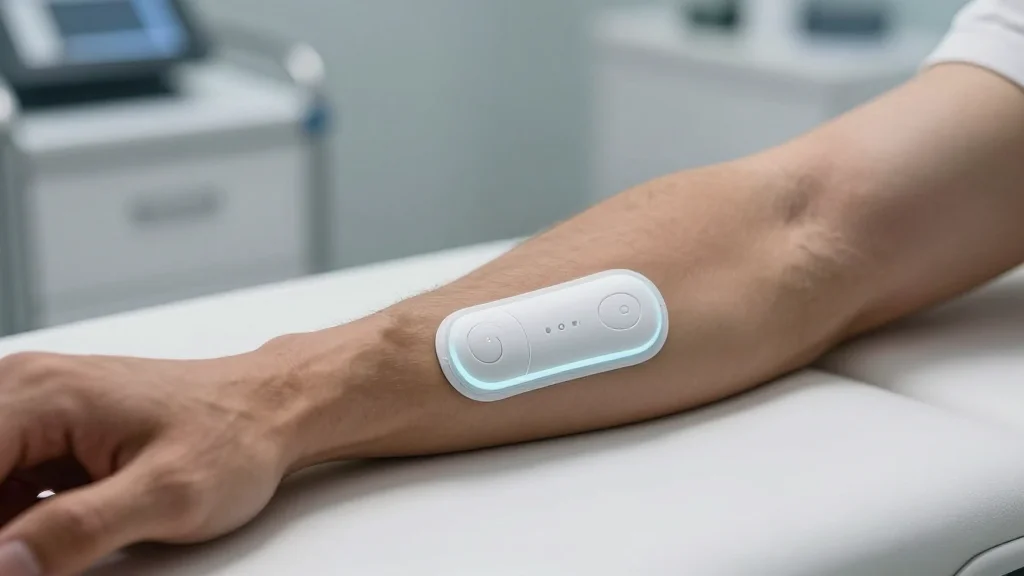
- •The Warriors’ medical hub now uses wearables, motion‑capture analytics, and personalized nutrition plans.
- •Coaches and players—including Steve Kerr, Al Horford, and Kristaps Porzingis—publicly praise Celebrini’s holistic care.
- •The model will be tested during the Warriors’ playoff run starting next weekend.
Pulse Analysis
Celebrini’s integration of high‑tech monitoring with deep personal engagement reflects a broader evolution in sports medicine that began in the early 2020s with the rise of wearable tech. Historically, NBA teams relied on a fragmented approach—separate trainers, physiotherapists, and nutritionists—often leading to siloed data and inconsistent care. Celebrini’s unified hub mirrors the European football model, where a single performance department oversees every health facet, yielding measurable reductions in injury rates.
From a competitive standpoint, the Warriors’ willingness to invest in such infrastructure could widen the gap between resource‑rich franchises and smaller market teams. While the league’s salary cap limits on‑court talent, off‑court health investment is largely unrestricted, creating a new arena for differentiation. If the Warriors sustain health throughout the playoffs, rivals may feel pressure to allocate budget toward similar medical upgrades, potentially sparking a wave of league‑wide spending on sports‑science staff and technology.
Looking ahead, the player‑first model may influence contract negotiations. Agents could demand clauses guaranteeing access to individualized health programs, while the NBA Players Association might push for league‑wide standards. Celebrini’s success—or failure—will likely become a case study for how holistic health strategies translate into competitive advantage, shaping the next decade of elite athlete management.
Warriors’ Sports‑Medicine Director Rick Celebrini Pushes Player‑First, Holistic Care Model
Comments
Want to join the conversation?
Loading comments...