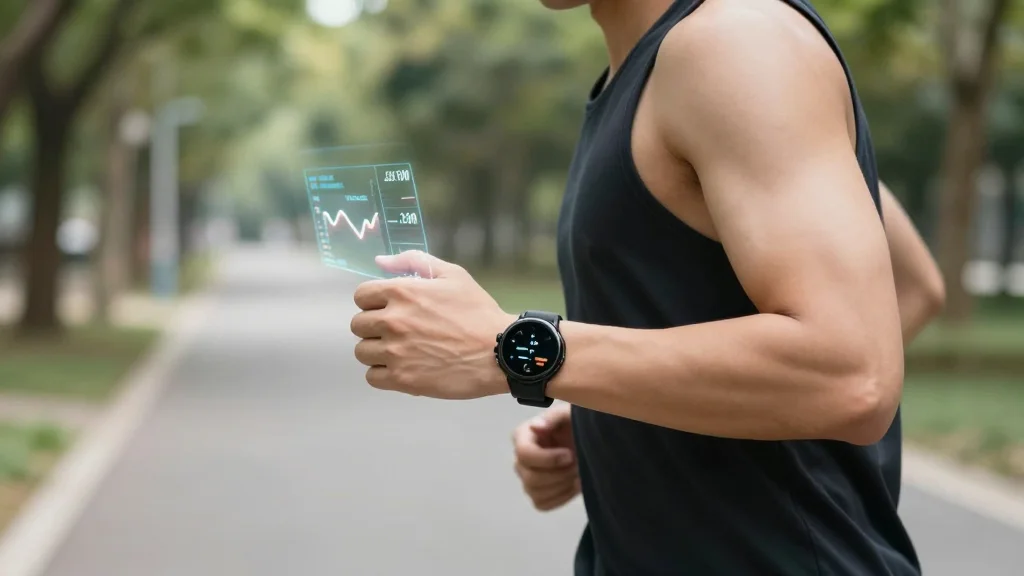
Whoop Debuts AI Health Coach in App, Offering Real‑Time Fitness Guidance

Companies Mentioned

Why It Matters
The AI health coach marks a pivotal moment for the wearable industry, where software value is becoming as important as hardware performance. By delivering actionable insights in real time, Whoop aims to improve user outcomes, increase subscription stickiness, and set a new standard for data‑driven coaching. If successful, the model could accelerate the shift toward AI‑enhanced health ecosystems, prompting competitors to embed similar capabilities or risk losing premium users. Beyond business implications, the coach touches on broader health‑tech debates about privacy and algorithmic authority. Whoop’s reliance on anonymized data seeks to address privacy concerns, yet the growing role of AI in personal health decisions will likely spark regulatory scrutiny and consumer dialogue about consent and data ownership.
Key Takeaways
- •Whoop launches AI health coach within its app, offering proactive fitness guidance.
- •The AI coach is included in the $199‑$359 per year subscription, no extra fee.
- •Feature pops up automatically based on real‑time biometric data, such as heart‑rate trends.
- •Competes with AI assistants from Google, Apple, Oura, Garmin, and Meta, which often require user initiation.
- •Whoop plans further AI enhancements for Q3 2026, aiming to deepen personalization.
Pulse Analysis
Whoop’s AI health coach reflects a broader industry pivot from hardware differentiation to software ecosystems. Historically, wearables competed on sensor accuracy and battery life; now, the ability to translate data into immediate, personalized actions is the new battleground. By embedding AI directly into the user experience, Whoop not only adds perceived value to its subscription but also creates a data moat—continuous interaction generates richer datasets that can train more sophisticated models, reinforcing the platform’s stickiness.
The move also underscores the maturation of AI in consumer health. Early attempts at AI coaching were hampered by generic advice and high friction; Whoop’s proactive pop‑ups lower that barrier, delivering context‑aware nudges without user prompting. If adoption rates climb, we could see a cascade effect where insurers and corporate wellness programs begin to subsidize such AI‑enhanced wearables, viewing them as preventive tools that reduce medical costs.
However, the strategy is not without risk. The reliance on anonymized, aggregated data may not fully assuage privacy‑savvy consumers, especially as regulatory frameworks tighten around health data. Moreover, the AI’s recommendations could be perceived as prescriptive, potentially eroding user autonomy if not calibrated carefully. Competitors will likely respond with their own integrated AI layers, intensifying a feature race that could drive rapid innovation but also fragment the market. In the short term, Whoop’s success will hinge on user trust, the relevance of its nudges, and the ability to demonstrate measurable performance gains.
Overall, Whoop’s AI coach could redefine the value proposition of subscription wearables, shifting the conversation from “how many steps?” to “what should I do next?”—a transformation that may reshape fitness coaching for the digital age.
Whoop Debuts AI Health Coach in App, Offering Real‑Time Fitness Guidance
Comments
Want to join the conversation?
Loading comments...