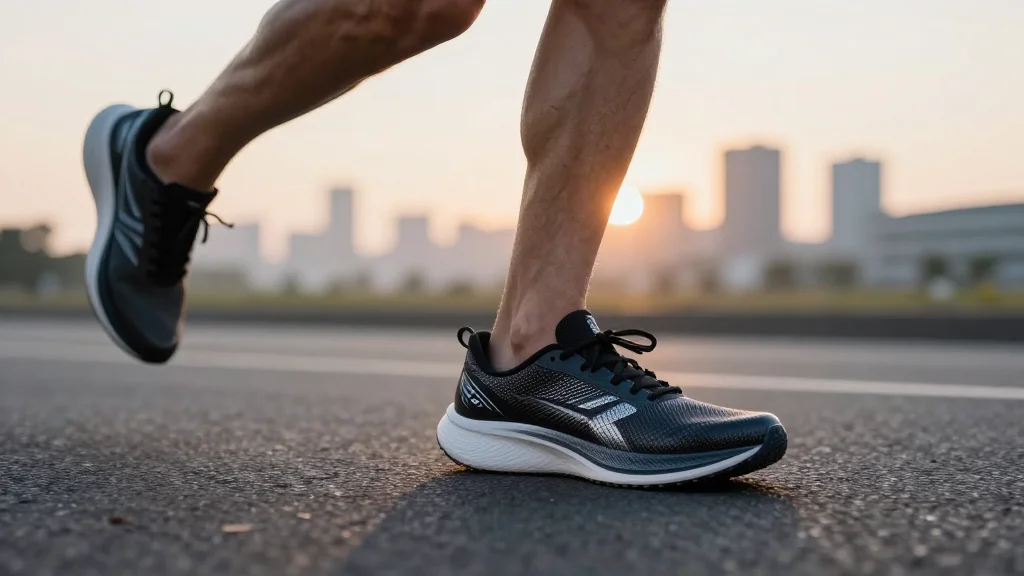
World Athletics Backs Super‑shoe Tech as Record‑breaking Marathon Sparks $570 Shoe Trial

Companies Mentioned
Why It Matters
The endorsement of super‑shoe technology by World Athletics could legitimize a class of equipment that already offers measurable performance gains, potentially redefining record‑keeping and athlete preparation. At the same time, the debate raises ethical questions about access, as only well‑funded athletes and consumers can afford shoes priced near $600, risking a widening gap between elite and grassroots runners. For manufacturers, Coe’s comments signal a green light to invest heavily in carbon‑plate and foam innovations, accelerating an arms race that could drive down prices over time but also intensify patent disputes. Regulators must balance the desire to foster innovation with the need to preserve the integrity of competition, a tension that will shape the sport’s rulebook for years to come.
Key Takeaways
- •World Athletics president Sebastian Coe says the body will not restrict super‑shoe innovation after a sub‑two‑hour marathon.
- •Adidas’s Adizero Adios Pro Evo 3 weighs under 100 g and is expected to retail around $500 USD (≈£390).
- •Daily Mail reporter Harry Bamforth tested the £450 (≈$570) shoe and improved his 5 km time to 19:30 minutes.
- •Critics like Robert de Castella call the shoes ‘ludicrous’ and argue they breach the sport’s spirit.
- •World Athletics will consider formal shoe regulations at its upcoming council meeting.
Pulse Analysis
The clash between regulatory endorsement and athlete pushback mirrors past technology battles in sport, most notably the swimming super‑suit controversy that led to a swift ban after a flood of world records. Coe’s stance suggests a strategic choice to position athletics as a technology‑forward discipline, potentially attracting new sponsorships and media interest. However, the risk is that unchecked innovation could erode the perceived fairness that underpins the sport’s global appeal.
From a market perspective, the $570 price point for a shoe that promises a 1–2 % improvement in running economy is a compelling proposition for elite athletes, but it remains out of reach for the majority of recreational runners. This creates a tiered ecosystem where performance differentials are amplified not just by training but by equipment. If World Athletics adopts a permissive policy, we may see a rapid diffusion of ultra‑light shoes, driving competitors to innovate or risk obsolescence. Conversely, a regulatory clampdown could spur manufacturers to focus on cost‑effective performance enhancements, potentially democratizing access.
Looking ahead, the governing body’s next steps will set a precedent for how sport balances technological progress with competitive equity. Stakeholders—from athletes and coaches to shoe designers and fans—will be watching the council’s decisions closely, as they will dictate whether the next era of athletics is defined by human endurance, engineering marvels, or a hybrid of both.
World Athletics backs super‑shoe tech as record‑breaking marathon sparks $570 shoe trial
Comments
Want to join the conversation?
Loading comments...