Iron Culture presented by MASS
BONUS: Stronger Culture - The Protein Ceiling: Real or Not a Needle Mover? (Ft Eric Helms & Steve Hall)
Why It Matters
Understanding how caffeine affects training and sleep helps lifters optimize performance without compromising recovery, a common concern for anyone juggling intense workouts and nutrition goals. The episode’s evidence‑based take on caffeine timing cuts through hype, offering practical guidance that’s especially relevant as more athletes turn to diet sodas and supplements for low‑calorie energy boosts.
Key Takeaways
- •Caffeine best taken early; late doses impair sleep.
- •Diet sodas provide ~50 mg caffeine; excess risks overconsumption.
- •1.6 g/kg protein may not represent true hypertrophy ceiling.
- •Auto‑regulation prevents unnecessary calorie surplus during recovery phases.
- •Modest daily caffeine intake works; cycling rarely necessary.
Pulse Analysis
The conversation opened with a clear consensus on caffeine timing for athletes. Both hosts stress that morning caffeine—typically a cup of coffee or a 50 mg Pepsi Max—optimally fuels workouts without compromising nocturnal sleep. Small evening doses (around 50 mg) are only used when fatigue threatens performance, and even then, the goal is to avoid the “AM‑gap” in strength while preserving sleep quality. Research cited shows caffeine’s performance boost diminishes later in the day, reinforcing the recommendation to keep total daily intake modest, generally under 200 mg.
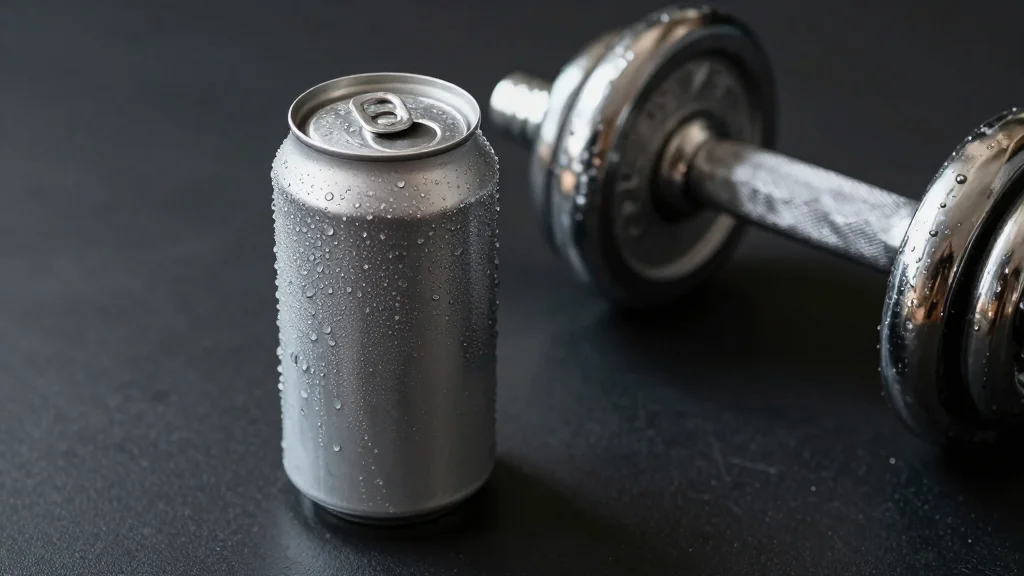
Diet soda consumption emerged as a hidden source of caffeine that many bodybuilders overlook. A single 12‑oz Pepsi Max contains roughly 50 mg of caffeine, and a two‑liter bottle can deliver over 200 mg—enough to affect sleep and jitteriness if consumed unchecked. The hosts also noted flavor fatigue, leading some to switch between vanilla, cherry, or other variants, inadvertently increasing total intake. They advise tracking soda volume, especially when buying bulk packs, and suggest alternating with caffeine‑free alternatives like 7‑Up to maintain calorie control without hidden stimulants.
The latter part of the episode tackled the controversial protein ceiling. While a 1.6 g/kg threshold has been popularized, both guests argue the data is inconclusive, citing newer studies beyond the 2018 breakpoint analysis. They emphasize that protein needs should be individualized, focusing on total muscle gain rather than strict limits. Coupled with auto‑regulation strategies—monitoring hunger cues and avoiding unnecessary calorie surpluses during recovery—this approach balances muscle hypertrophy with minimal fat gain. The takeaway for professionals is to prioritize flexible nutrition plans over rigid protein caps, ensuring sustainable progress for competitive and recreational lifters alike.
Episode Description
Join Steve Hall and Eric Helms as they explore the nuances of bodybuilding, nutrition, and training strategies.
From caffeine timing and body composition tracking to posing techniques and mental models, this conversation offers practical insights for athletes and enthusiasts aiming to optimize their performance and physique.
Iron Culture is presented by the MASS Research Review
massresearchreview.com
If you're in the market for some new gym gear or apparel, be sure to use code "MRR10" for a 10% discount at elitefts.com
Chapters
00:00 Morning Rituals: Caffeine Choices and Preferences
02:43 Caffeine Cycling: Strategies for Bodybuilding Performance
05:19 Caffeine and Sleep: Finding the Right Balance
08:27 Diet Sodas: The Hidden Caffeine Dilemma
10:52 Navigating Post-Show Eating: The Recovery Phase
13:53 Protein Intake: Debating the Optimal Amount
16:45 Training vs. Nutrition: Prioritizing Muscle Gain
19:26 Understanding Protein Recommendations: Context Matters
22:17 The Importance of Training Intensity
25:06 Blue Light Blockers: Effects on Sleep Quality
35:20 Blue Light Blockers and Sleep Quality
37:11 Body Weight and Recovery Insights
39:11 Stage Weight and Body Composition Changes
41:34 Tracking Progress: Measurements and Photos
45:10 The Importance of Posing in Bodybuilding
50:39 Online Coaching and Posing Techniques
Comments
Want to join the conversation?
Loading comments...