10 Historic Restaurants In New Mexico Every Foodie Should Visit
Why It Matters
These historic eateries preserve New Mexico’s multicultural food heritage while fueling tourism and local economies, making them vital cultural and economic assets.
Key Takeaways
- •The Mine Shaft Tavern offers a massive Mad Chile Burger with Wagyu.
- •Legal Tender Saloon, built 1881, features the Manhattan Project rye‑whisky cocktail.
- •La Plazuela’s tableside guacamole showcases traditional New Mexican ingredients.
- •Chope’s Bar earned James Beard semifinalist nod for Southwest chef.
- •Original Owl Bar was a hangout for Trinity bomb scientists.
Pulse Analysis
New Mexico’s culinary landscape is a tapestry woven from Indigenous, Spanish, Mexican, and frontier influences, and its historic restaurants act as living museums of that blend. From 17th‑century adobe kitchens in Santa Fe to Route 66 diners in Tucumcari, each venue preserves architecture, décor, and stories that ordinary museums cannot replicate. Travelers seeking authentic experiences increasingly prioritize heritage eateries, turning these establishments into anchors for cultural tourism and local pride. As a result, the state’s food‑driven narrative fuels both visitor numbers and community identity.
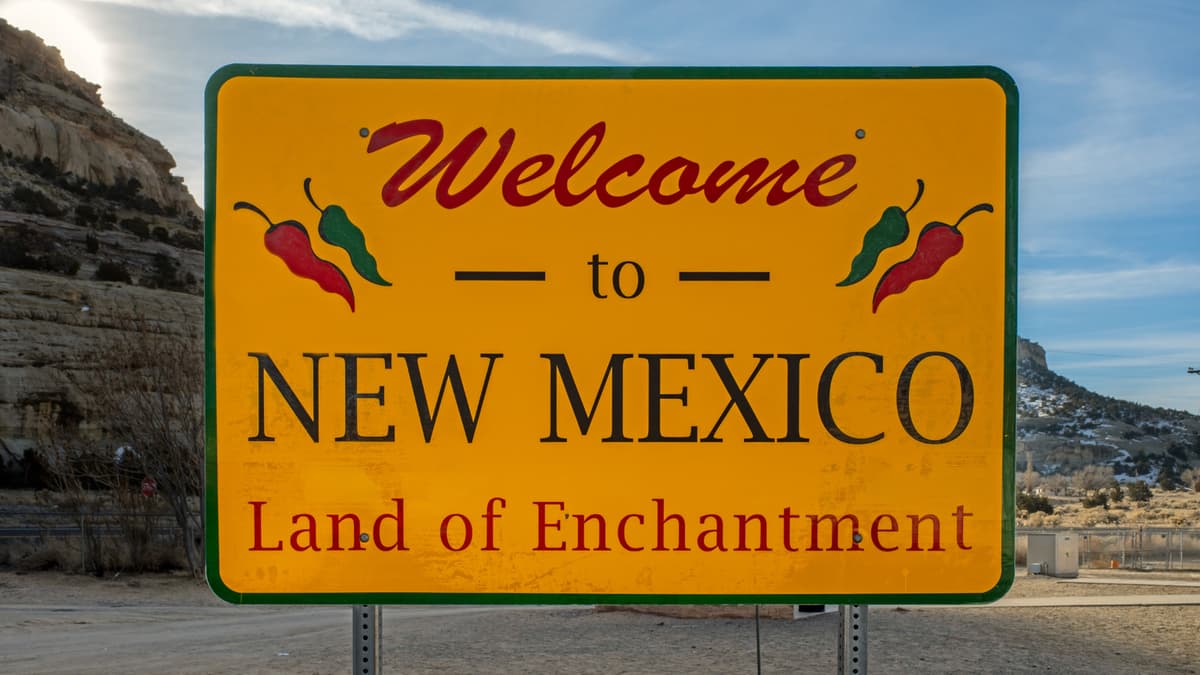
\nSignature dishes such as the green‑chile cheeseburger, Mad Chile Burger, and hand‑rolled tortillas have become culinary symbols that extend beyond state borders. Family‑run spots like The Shed and Rancho de Chimayó still grind chiles on‑site, ensuring flavor authenticity while passing recipes through generations. These food traditions reinforce New Mexico’s brand as the “Land of Enchantment,” attracting food‑focused travelers and media attention. Moreover, accolades like the James Beard semifinalist nod for Chope’s chef validate the region’s capacity to compete on a national gastronomic stage. \nThe economic ripple effect of historic eateries is measurable: diners generate employment, support local farms, and stimulate ancillary businesses such as boutique hotels and souvenir shops.
Cities like Santa Fe and Albuquerque have leveraged these venues in marketing campaigns, positioning themselves as destinations for heritage cuisine tours. As preservation incentives grow and travelers continue to seek immersive experiences, the demand for authentic, story‑rich restaurants is likely to rise. Stakeholders—municipalities, restaurateurs, and tourism boards—must collaborate to protect these assets while modernizing operations to meet evolving consumer expectations. Investments in digital storytelling and heritage grants further ensure these restaurants remain competitive in the digital age.
10 Historic Restaurants In New Mexico Every Foodie Should Visit
Comments
Want to join the conversation?
Loading comments...