Why It Matters
Adhering to these etiquette guidelines boosts customer satisfaction, reduces safety incidents, and reinforces the premium, experience‑focused positioning of hibachi restaurants in a competitive hospitality market.
Key Takeaways
- •Avoid touching the grill to prevent burns and hygiene issues
- •Supervise children; keep them seated for safety and smooth service
- •Stow phones; being present enhances the chef’s performance
- •Speak softly; loud voices disrupt the cooking show and other guests
- •Inform staff of allergies early to ensure safe, customized meals
Pulse Analysis
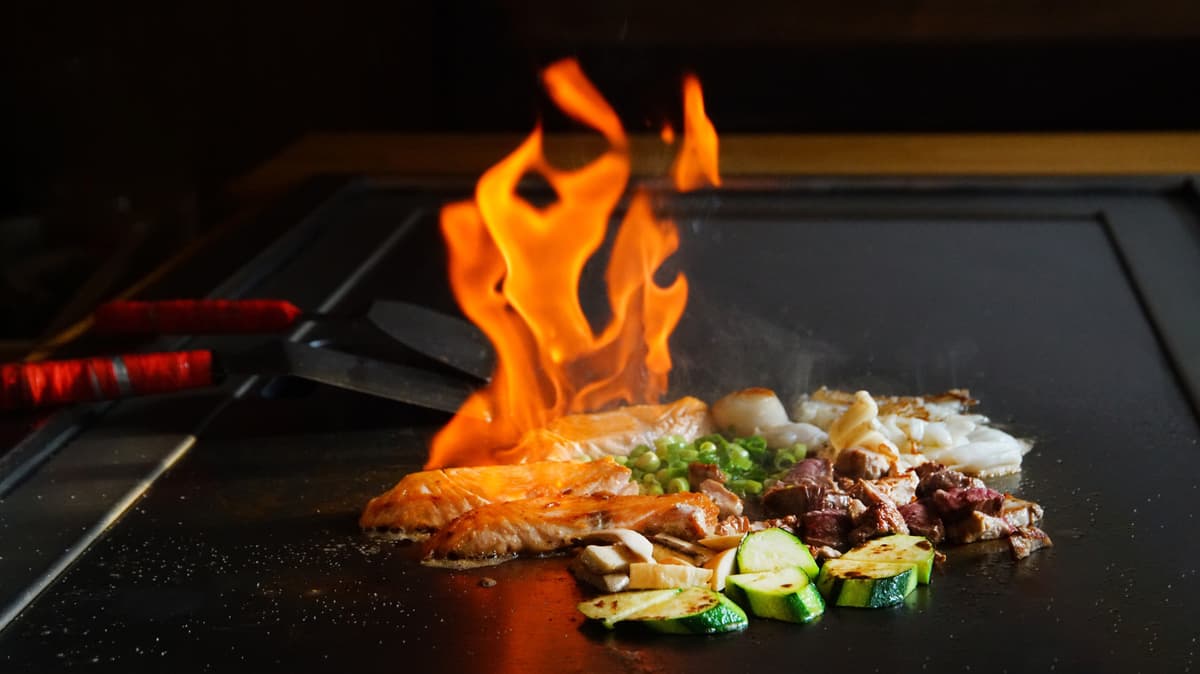
Hibachi dining has evolved from a niche Japanese tradition into a high‑margin, experience‑driven segment of the U.S. restaurant industry. Patrons are drawn to the theatrical cooking show, which blends culinary skill with performance art, creating a memorable outing that commands premium pricing. However, the success of this model hinges on guest behavior that respects the chef’s stage, preserves safety, and maintains the flow of the performance. When diners follow the unspoken rules, restaurants can deliver consistent, high‑quality experiences that translate into repeat visits and positive word‑of‑mouth.
From an operational perspective, the guidelines serve as a low‑cost risk‑mitigation framework. Prohibiting grill contact prevents burns and liability claims, while supervising children reduces the likelihood of accidents that could disrupt service. Early allergy communication enables kitchens to implement strict segregation protocols, protecting vulnerable guests and avoiding costly health incidents. Moreover, clear expectations around tipping and direct gratitude toward chefs reinforce staff morale and encourage the extra effort that defines the hibachi show, ultimately driving higher tip revenue and employee retention.
Looking ahead, the fusion of cultural authenticity and interactive dining will remain a growth engine for upscale casual concepts. Restaurants that embed these etiquette standards into staff training and guest communications can differentiate themselves in a crowded market. By fostering an environment where diners feel both entertained and respected, hibachi operators position themselves to capture a larger share of the experiential dining spend while preserving the art form’s heritage for future generations.
10 Unspoken Rules When Dining At A Hibachi Restaurant
Comments
Want to join the conversation?
Loading comments...