Why It Matters
These dishes drive Puerto Rico’s food‑tourism economy and preserve culinary heritage threatened by modernization. Understanding them helps restaurateurs and investors tap into growing demand for authentic island experiences.
Key Takeaways
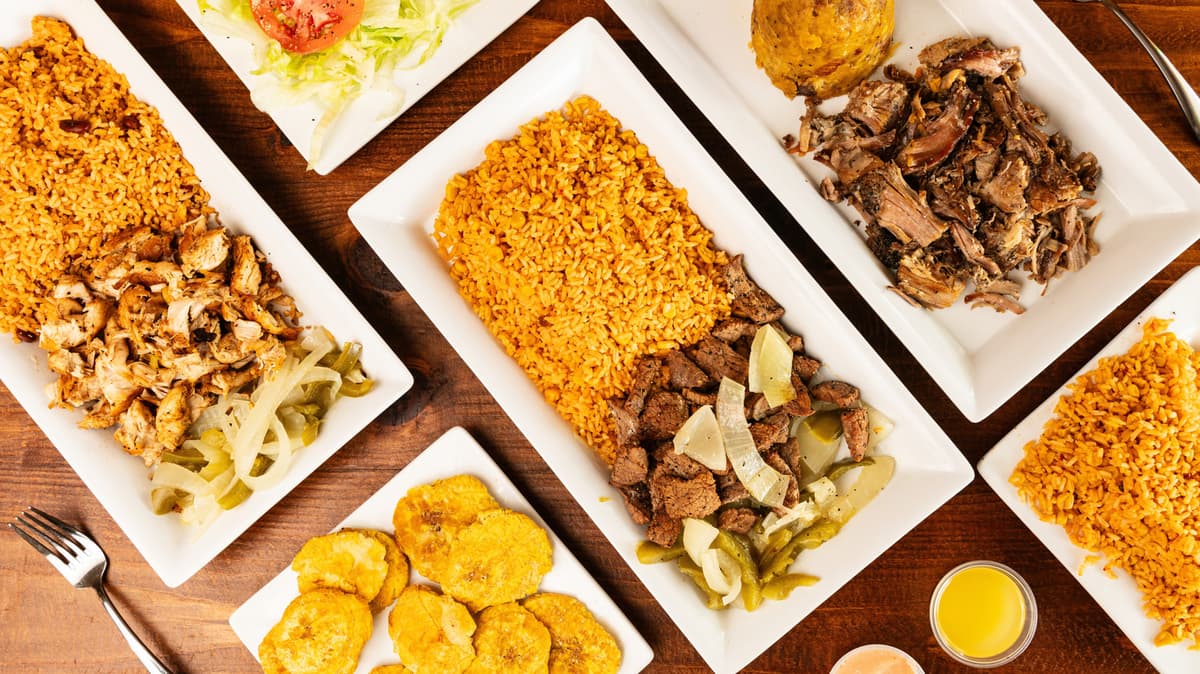
- •Arroz con gandules with pernil is Puerto Rico’s festive culinary centerpiece
- •Mofongo’s plantain base evolved from African fufu, symbolizing creole fusion
- •Pasteles require labor-intensive preparation, now declining on restaurant menus
- •Street frituras like bacalaítos and alcapurrias showcase island’s snack culture
- •Viandas such as breadfruit and yautía highlight traditional root‑vegetable staples
Pulse Analysis
Puerto Rico’s table is a living archive of centuries‑long exchange, where African fufu transformed into plantain‑based mofongo, Spanish sofrito underpins every stew, and 19th‑century Chinese migrants introduced soy‑infused fried rice. Chefs Daniel Lugo and Roberto Pérez illustrate this mosaic by pairing traditional staples—arroz con gandules, pernil, and habichuelas guisadas—with lesser‑known viandas like breadfruit (pana) and yautía. The resulting flavor profile is simultaneously familiar and distinct, offering a culinary narrative that mirrors the island’s multicultural history and reinforces a shared identity rooted in celebration and resilience.
The island’s gastronomy has become a cornerstone of its tourism strategy, attracting visitors eager for authentic experiences beyond sun‑and‑sand packages. Street vendors along Piñones serve bacalaítos and alcapurrias that generate micro‑enterprise income, while upscale resorts showcase refined versions of classic dishes, creating a tiered market that benefits both local producers and luxury operators. However, labor‑intensive items such as pasteles are disappearing from menus, signaling a potential loss of heritage unless chefs and investors invest in training programs and scalable preparation methods.
Looking ahead, Puerto Rican cuisine is poised for global expansion through food‑tech platforms, exportable sauces, and ready‑to‑heat meal kits that capture the essence of sofrito and recao. Sustainable sourcing of viandas and native crab species can differentiate the brand while supporting agricultural diversification. By documenting and modernizing these dishes, the island can leverage its culinary assets to attract culinary tourism, drive export growth, and preserve cultural memory for future generations.
14 Puerto Rican Foods You Should Never Pass Up
Comments
Want to join the conversation?
Loading comments...