Why It Matters
Understanding these dishes reveals how Mexican culinary traditions helped feed the frontier and laid the groundwork for modern Tex‑Mex food, illustrating the broader cultural fusion that defined the American West.
Key Takeaways
- •Huevos rancheros provided protein‑rich breakfast for cowboys
- •Enchiladas used dried tortillas, chili, and jerky for portable dinner
- •Charro beans relied on long‑stored pinto beans and pork
- •Carne guisada offered bulk beef stew for chuckwagon crews
- •Vaquero‑Native American exchange birthed early Tex‑Mex flavors
Pulse Analysis
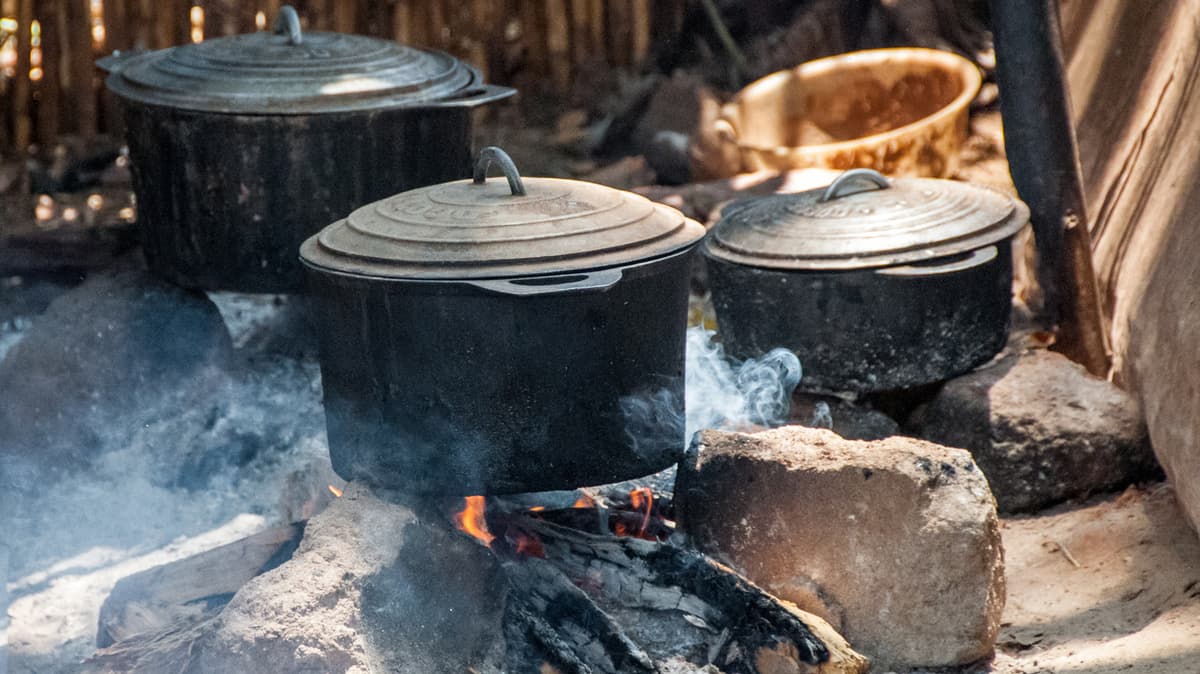
The American frontier demanded meals that could survive long days on horseback and limited supplies. Chuckwagons, the mobile kitchens of the 19th‑century West, stocked durable staples such as dried beans, corn tortillas, and cured beef, allowing cowboys and Mexican vaqueros to share a common palate. This pragmatic diet did more than stave off hunger; it forged a culinary bridge between Anglo‑American settlers and the Hispanic cultures already shaping the Southwest. The resulting food landscape laid the foundation for what later became known as Tex‑Mex, a hybrid cuisine still dominant in today’s restaurant scene.
Four dishes illustrate that early frontier menu. Huevos rancheros combined fried corn tortillas, refried beans and eggs, delivering quick protein and calories at sunrise. Enchiladas repurposed leftover tortillas, chili powder and charqui into a hand‑held dinner that could be reheated over a campfire. Charro beans, a pinto‑bean stew enriched with pork, onion and garlic, required overnight soaking but yielded a hearty, long‑lasting broth for evening meals. Finally, carne guisada—slow‑cooked beef chuck in a pepper‑tomato sauce—fed entire chuckwagon crews with minimal effort. Each recipe leveraged ingredients that survived the rigors of trail travel while reflecting Mexican culinary techniques.
Today, those frontier recipes echo in modern Tex‑Mex menus, from breakfast burritos to slow‑cooker stews. Food historians credit the vaquero‑Native American exchange for introducing chilies, beans and corn‑based preparations that reshaped American taste buds. Restaurateurs capitalize on this heritage, marketing dishes as “authentic cowboy cuisine” to attract tourists seeking a taste of the Old West. Moreover, the durability of beans and dried tortillas informs contemporary outdoor cooking and emergency food kits. Recognizing the Mexican roots of cowboy fare not only enriches cultural narratives but also highlights the enduring practicality of these time‑tested meals.
4 Mexican Dishes Real Life Cowboys Loved In The Old West
Comments
Want to join the conversation?
Loading comments...