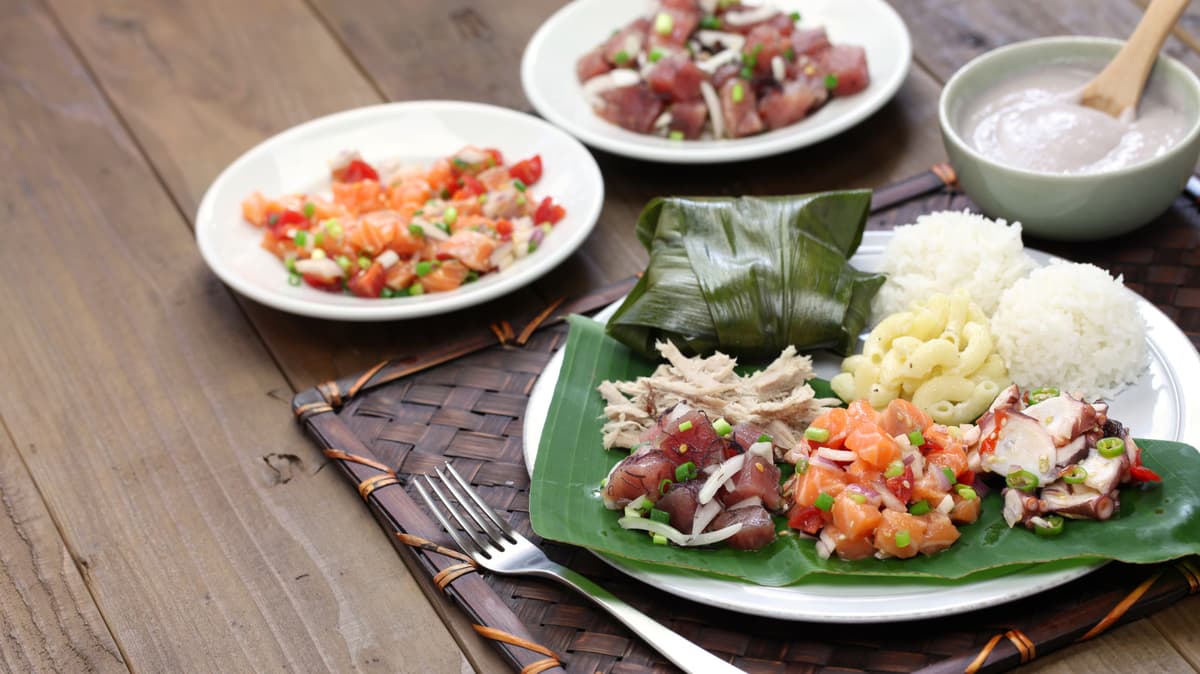
6 Vintage Hawaiian Dishes That Deserve More Love On The Mainland
Why It Matters
Showcasing these heritage dishes can diversify the U.S. fast‑casual market and preserve Hawaiian culinary traditions, while offering restaurateurs novel menu concepts.
Key Takeaways
- •Lau lau is leaf‑wrapped pork and fish steamed for eight hours.
- •Poi, a taro paste, is being reinvented in modern Hawaiian dishes.
- •Chicken hekka blends Japanese sukiyaki flavors with Hawaiian long‑rice noodles.
- •Squid luau combines octopus, taro leaves, coconut milk, and sugar.
- •Kūlolo is a taro‑coconut dessert rarely found outside Hawaii.
Pulse Analysis
Hawaiian cuisine has long been a melting pot of Polynesian roots and waves of immigrant flavors, from Japanese plantation workers to Puerto Rican laborers. While poke bowls and shave ice dominate mainland menus, the islands’ culinary heritage runs deeper, anchored by techniques like the imu earth oven and staples such as taro, sweet potatoes, and long‑rice noodles. Dishes like lau lau and poi embody centuries‑old practices, while chicken hekka and pastele stew illustrate how Japanese and Puerto Rican traditions were woven into local food culture, creating uniquely Hawaiian hybrids.
The six vintage dishes highlighted—lau lau, poi, chicken hekka, squid luau, pastele stew, and kūlolo—serve as culinary time capsules. Lau lau’s eight‑hour steam in taro and ti leaves yields an earthy, melt‑in‑your‑mouth texture that connects diners to communal feasting rituals. Poi, once a humble taro paste, is now being reimagined in pasta dough and fried croquettes, signaling a renaissance of traditional starches. Chicken hekka’s dashi‑based broth and long‑rice noodles echo Hiroshima’s sukiyaki, while squid luau’s sweet coconut‑milk finish showcases the island’s penchant for balancing savory and sweet.
For mainland restaurateurs and food entrepreneurs, these dishes represent untapped menu opportunities that can differentiate brands in a crowded fast‑casual landscape. Introducing lau lau or kūlolo, for example, offers a story‑driven experience that appeals to consumers seeking authenticity and cultural depth. Moreover, expanding the presence of these foods supports cultural preservation, giving Hawaiian chefs a broader platform to share their heritage. As U.S. diners increasingly crave regional and heritage cuisines, the vintage flavors of Hawaii are poised to move from niche island tables to mainstream plates across the country.
6 Vintage Hawaiian Dishes That Deserve More Love On The Mainland
Comments
Want to join the conversation?
Loading comments...