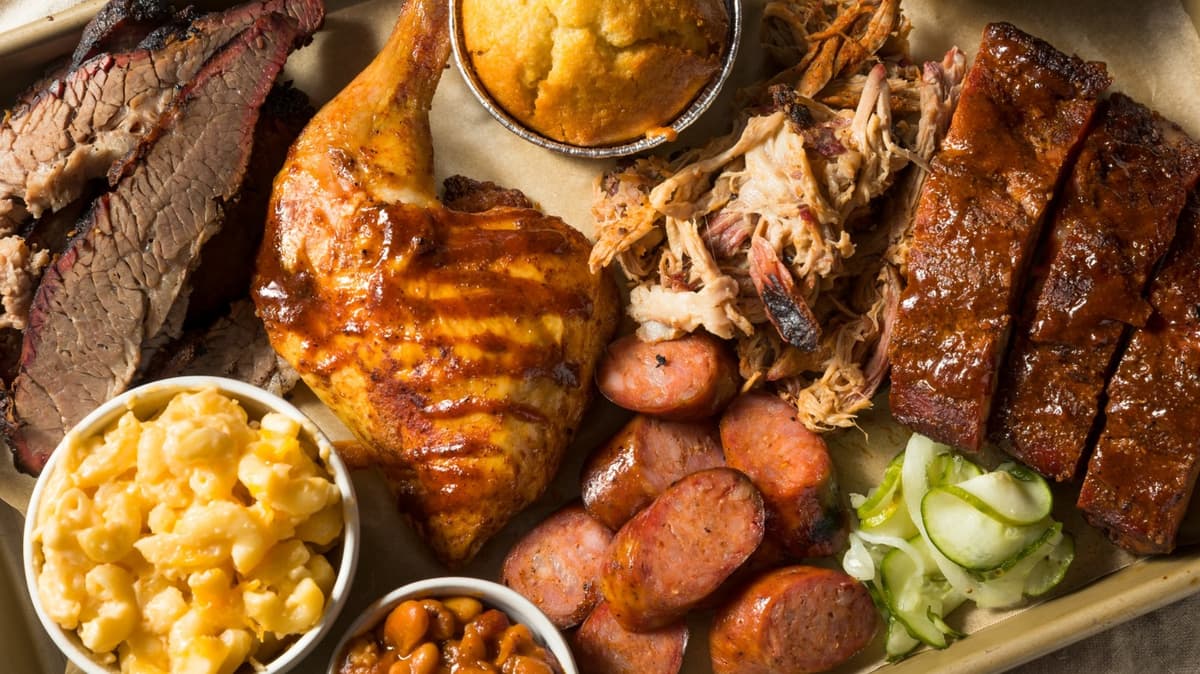
7 Barbecue Restaurant Dishes To Leave To The Pros, And 4 To Make At Home
Why It Matters
Understanding which BBQ items demand professional skill helps home cooks avoid costly mistakes and focus on dishes that deliver flavor without excessive investment, ultimately raising the overall quality of at‑home grilling.
Key Takeaways
- •Brisket, bacon, sausage, and smoked items require professional expertise.
- •Collard greens, bread pudding, and baked beans are impractical for most homes.
- •Pulled pork, BBQ sauce, coleslaw, and potato salad are home‑cook friendly.
- •Brisket prices have surged, making it a costly practice piece.
- •Cold‑smoking bacon needs a week‑long brine and specialized equipment.
Pulse Analysis
Barbecue’s resurgence across the United States has turned backyard grilling into a culinary hobby, but the gap between restaurant‑grade pit work and home cooking remains wide. Cuts like brisket now command premium prices—up roughly 30% in the past six years—making them a risky practice piece for novices. Moreover, the precise temperature control, long smoke cycles, and specialized equipment such as offset smokers or cold‑smoke chambers raise the barrier to entry. For many enthusiasts, the economics of buying high‑cost meat and investing in gear outweigh the occasional home‑cooked feast.
The complexity extends beyond cost. Bacon prepared in a barbecue style demands a week‑long brine, curing salts, and a dedicated cold‑smoke setup, while sausage production involves grinders, stuffers, and strict food‑safety protocols to prevent bacterial growth. Traditional smoked collard greens, bread pudding finished in an offset smoker, and multi‑day baked beans further illustrate the time‑intensive nature of authentic pit dishes. These processes not only require space—often a full‑size refrigerator and a dedicated smoker—but also a depth of knowledge that seasoned pitmasters acquire over years of trial and error.
For the average backyard chef, focusing on forgiving staples yields the best return on effort. Pulled pork, with its forgiving temperature window and easy shredding technique, can be mastered on a standard smoker or even a grill with indirect heat. Simple sauce formulas—onion, ketchup, brown sugar, and vinegar—allow customization without a pantry of exotic ingredients. Pairing these proteins with versatile sides like coleslaw or potato salad lets home cooks deliver restaurant‑style flavor while keeping prep time and equipment needs modest. By targeting these approachable dishes, enthusiasts can enjoy authentic barbecue experiences without the steep learning curve or financial outlay associated with true pit mastery.
7 Barbecue Restaurant Dishes To Leave To The Pros, And 4 To Make At Home
Comments
Want to join the conversation?
Loading comments...