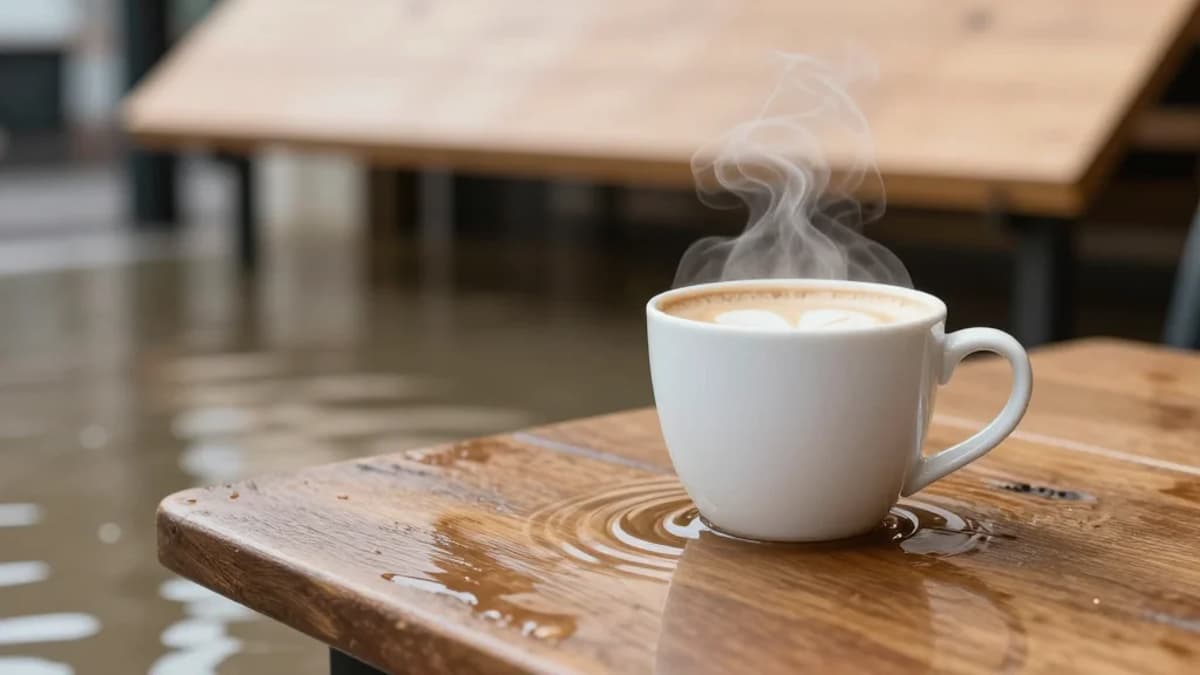
A Winter Storm Equals Flooding and Disaster for Three L.A. Restaurants
•February 24, 2026
0
Why It Matters
The sudden closures translate into immediate financial strain for independent restaurateurs and expose systemic urban drainage deficiencies that could amplify future climate‑related disruptions.
Key Takeaways
- •Presidents Day storm flooded multiple LA restaurants.
- •Gritz N’ Wafflez faces $55k‑$60k combined losses.
- •Owners pivot to takeout, reduce staff hours.
- •Flooding highlights infrastructure gaps in LA commercial zones.
- •Businesses adopt sandbags and water‑filled barriers for future.
Pulse Analysis
The recent Presidents Day deluge illustrates how increasingly erratic weather patterns are reshaping the operational landscape for Southern California’s hospitality sector. While the region historically enjoys a mild climate, a series of intense storms this winter overwhelmed outdated drainage systems, turning bustling brunch spots into temporary flood zones. For independent restaurants that rely on high‑margin dine‑in traffic, even a single day of closure can erode cash flow, strain relationships with suppliers, and jeopardize employee retention.
Financial repercussions extend beyond immediate repair bills. Gritz N’ Wafflez estimates up to $60,000 in combined repair and revenue losses, a figure that dwarfs typical weekly earnings for a mid‑size eatery. Many owners lack comprehensive flood insurance, leaving them to absorb costs or seek short‑term financing. Consequently, operators are reconfiguring business models—leaning on takeout, scaling back staff, and investing in low‑cost mitigation such as sandbags or water‑filled barriers—to preserve liquidity while awaiting more permanent infrastructure upgrades.
The broader lesson for policymakers and urban planners is clear: resilient commercial districts require proactive investment in stormwater management. Upgrading curbside drains, enforcing stricter building codes for flood‑prone zones, and offering incentives for private mitigation can reduce the economic shock of future events. For entrepreneurs, building a diversified revenue mix and maintaining emergency reserves are becoming essential components of a sustainable growth strategy in an era of climate uncertainty.
A winter storm equals flooding and disaster for three L.A. restaurants
0
Comments
Want to join the conversation?
Loading comments...