Altamarea Group to Open Piccorini Morini in Nolita, Reviving Osteria Morini Legacy

Why It Matters
The opening of Piccorini Morini illustrates how legacy restaurant brands can adapt to New York’s escalating rent environment by reimagining their concepts and leveraging hotel partnerships. By shifting to a smaller‑plates, design‑forward model, Altamarea aims to meet the demand for high‑quality yet approachable dining, a trend that could influence other upscale eateries facing similar cost pressures. Additionally, the move underscores a broader industry pivot toward flexible, experience‑driven formats that blend hospitality and culinary craftsmanship, potentially reshaping the competitive dynamics of the city’s Italian dining scene. Furthermore, the launch signals confidence in Nolita’s consumer base, suggesting that even in a market saturated with dining options, there remains appetite for innovative Italian concepts that blend tradition with modernity. If successful, Piccorini Morini may encourage other restaurateurs to explore hybrid hotel‑restaurant models, offering a pathway to mitigate lease volatility while tapping into built‑in foot traffic.
Key Takeaways
- •Altamarea Group will open Piccorini Morini in Nolita this June at the Nolitan Hotel.
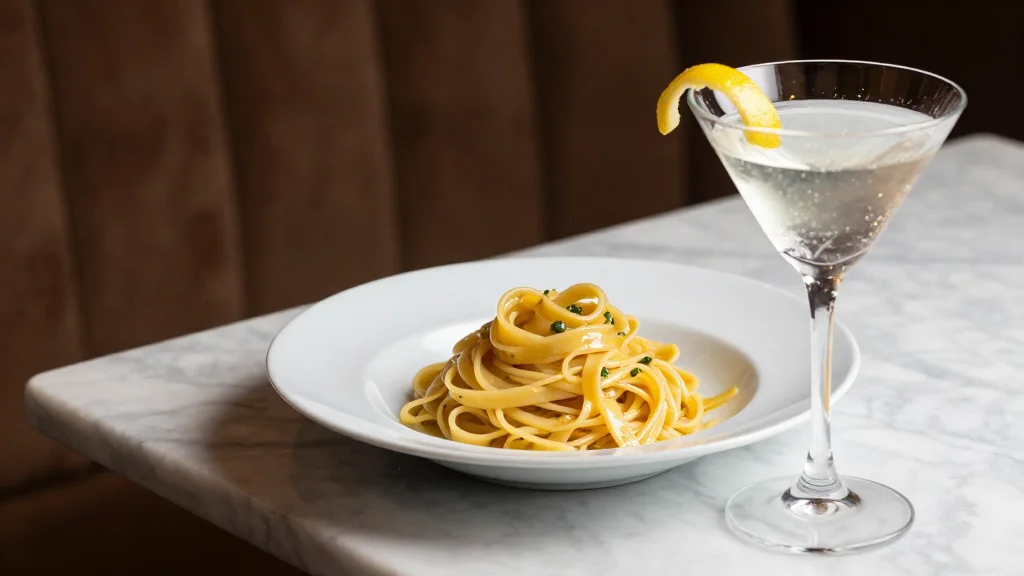
- •The new venue features a 52‑seat dining room, 20‑seat bar, fresh pasta, small plates and $9 martinis.
- •Founder Ahmass Fakahany cites rent escalations as the reason for closing the original Osteria Morini.
- •Piccorini Morini adds a third ‘mood’ to the Morini brand, alongside Osteria Morini and Cucina Morini.
- •A yet‑to‑be‑announced rooftop space will complement the street‑level restaurant, targeting outdoor‑dining demand.
Pulse Analysis
Altamarea’s decision to resurrect the Morini name in a compact, design‑centric format reflects a strategic response to two converging forces: soaring commercial rents and evolving consumer preferences for casual luxury. By embedding the restaurant within a hotel, the group not only secures a steady flow of guests but also diversifies its revenue streams, reducing reliance on a single‑location model that proved vulnerable in the past. This hybrid approach could become a playbook for other high‑end operators seeking stability in a volatile market.
Historically, New York’s Italian dining scene has been dominated by family‑run trattorias and flagship establishments that command premium rents. The Piccorini Morini concept, with its emphasis on small plates and affordable cocktail pricing, signals a shift toward a more inclusive price point without sacrificing quality. If the venue can maintain the brand’s reputation for pasta craftsmanship while delivering a modern, Instagram‑ready ambiance, it may attract a broader demographic, from seasoned foodies to younger diners seeking experiential meals. The success of this model could accelerate a trend where legacy brands reinvent themselves through modular concepts, leveraging hotel partnerships and outdoor spaces to stay competitive.
Looking ahead, the performance of Piccorini Morini will likely be a bellwether for how other legacy restaurants navigate the post‑pandemic landscape. Should the restaurant achieve strong reservation numbers and positive critical reception, it may prompt a wave of similar re‑launches, where iconic names are refreshed rather than retired. Conversely, if rent pressures continue to outpace revenue growth, even innovative formats may struggle, underscoring the need for continual adaptation in New York’s high‑stakes culinary arena.
Altamarea Group to Open Piccorini Morini in Nolita, Reviving Osteria Morini Legacy
Comments
Want to join the conversation?
Loading comments...