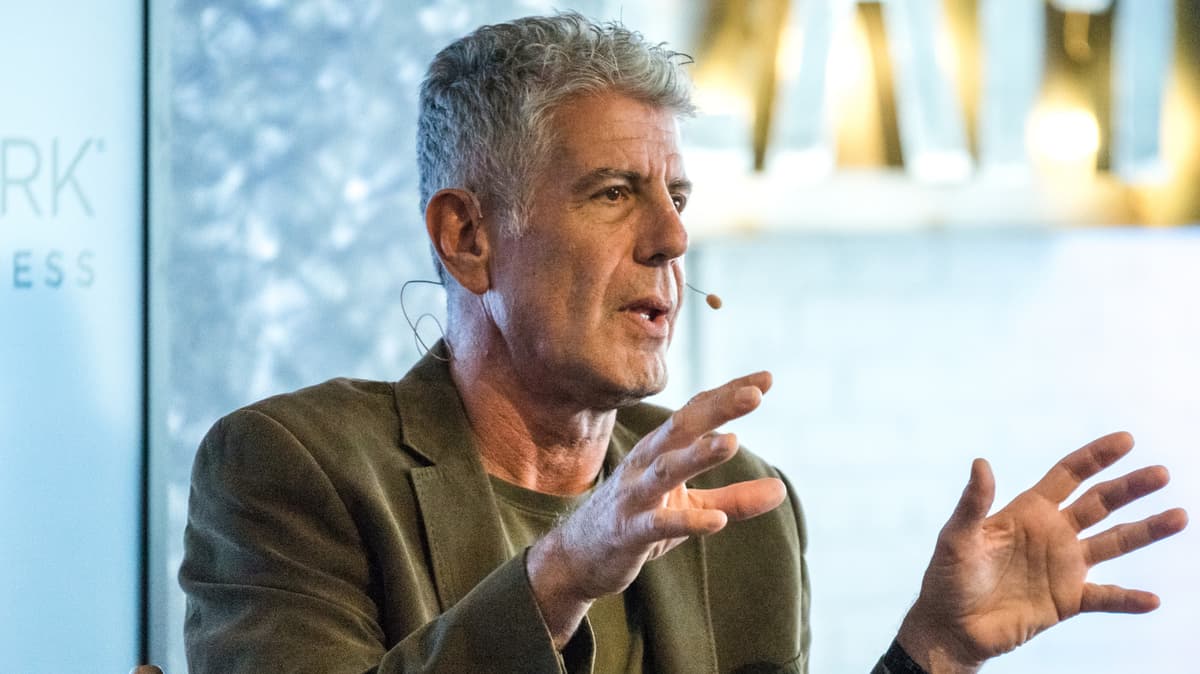
Anthony Bourdain Said This Was 'Probably The Single Worst Thing' He Ever Ate
Why It Matters
Bourdain’s candid verdict amplified global awareness of hákarl, illustrating how celebrity commentary can shape perceptions of exotic foods and influence culinary tourism. It underscores the tension between preserving food heritage and meeting modern palate expectations.
Key Takeaways
- •Bourdain called Icelandic hákarl “the worst thing I ate”.
- •Hákarl is fermented shark, safe after months of curing.
- •Traditional Icelandic liqueur brennivín pairs to mask hákarl’s odor.
- •The dish originates from 9th‑century Viking preservation methods.
- •Þorrablót festival preserves hákarl despite limited popular appeal.
Pulse Analysis
Anthony Bourdain’s candid verdict on Icelandic hákarl reinforced his brand as a fearless culinary explorer. While his shows “Parts Unknown” and “No Reservations” introduced millions to regional specialties, moments like the 2005 episode serve as cultural touchstones that demystify obscure foods. By openly describing the fermented shark as “unspeakably nasty,” Bourdain provided viewers with an honest benchmark, reminding audiences that not every tradition aligns with modern palates. This transparency fuels trust in food media and encourages a nuanced dialogue about authenticity versus taste.
Hákarl’s reputation stems from a pragmatic Viking solution to a toxic shark species. Greenland shark flesh contains high levels of urea and trimethylamine oxide, which become harmless after a rigorous fermentation process involving burial in gravel for several months, followed by air‑drying. The resulting product emits a pungent ammonia‑like aroma, prompting Icelanders to consume it with toothpicks and a shot of brennivín, a caraway‑seed spirit that softens the odor. Though integral to the winter Þorrablót celebration, contemporary Icelanders often view it as a heritage curiosity rather than a staple.
The media spotlight on extreme dishes like hákarl influences culinary tourism, prompting adventurous travelers to seek authentic experiences while also risking sensationalism. Bourdain’s reaction illustrates how celebrity endorsement can both elevate a food’s profile and set realistic expectations for potential diners. As global food culture continues to intersect with travel content, producers must balance entertainment with respect for local traditions. Ultimately, such coverage can drive economic benefits for niche producers, yet it also underscores the responsibility to present culturally significant foods with context rather than mere shock value.
Anthony Bourdain Said This Was 'Probably The Single Worst Thing' He Ever Ate
Comments
Want to join the conversation?
Loading comments...