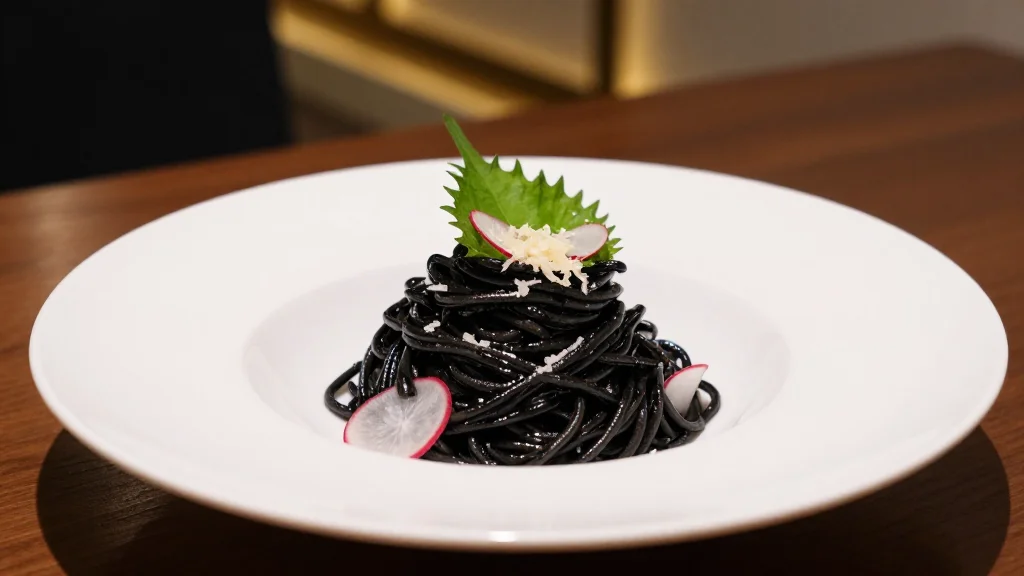
Armani and Gucci Bring Italian-Japanese Fine Dining to Tokyo

Why It Matters
The emergence of fashion‑linked fine‑dining venues illustrates how luxury brands are leveraging experiential assets to differentiate themselves in a crowded market. By translating design principles into food, Armani and Gucci create immersive touchpoints that deepen emotional connections with affluent consumers, particularly in a market like Japan where culinary prestige is highly valued. These collaborations also highlight a shift toward cross‑industry storytelling, where heritage, craftsmanship, and locality become shared narratives across fashion and food. If successful, the model could prompt other luxury houses to explore similar ventures, reshaping the competitive dynamics of both the haute couture and high‑end restaurant sectors.
Key Takeaways
- •Armani / RISTORANTE and Gucci Osteria da Massimo Bottura operate in Tokyo, blending Italian cuisine with Japanese ingredients.
- •Executive chef Bruno Hiruma leads Armani's restaurant, emphasizing minimalist aesthetics and precise timing for dishes like smoked buri carpaccio.
- •Gucci partners with three‑Michelin‑starred chef Massimo Bottura to deliver an Italian menu through a Japanese sensibility.
- •The restaurants reflect a broader trend of luxury fashion houses extending into experiential dining to deepen brand engagement.
- •Both venues are highlighted in a Michelin guide article dated 26 April 2026, confirming their active status.
Pulse Analysis
The launch of Armani / RISTORANTE and Gucci Osteria in Tokyo marks a strategic pivot for luxury fashion houses, moving beyond product lines into lifestyle experiences that can command premium pricing and foster deeper brand loyalty. Historically, fashion brands have dabbled in hospitality—think of Versace's Palazzo Versace hotels—but the current wave is distinguished by a culinary focus that aligns directly with each house's aesthetic DNA. Armani's minimalist, architecturally inspired interiors translate into a menu that strips away excess, while Gucci's flamboyant heritage finds expression in bold, artful plating.
From a market perspective, the Japanese consumer base offers a fertile testing ground. Japan's dining culture prizes meticulous craftsmanship and seasonal sourcing, traits that both Armani and Gucci can showcase through their emphasis on high‑quality seafood and collaboration with renowned chefs. By situating the restaurants in Tokyo, the brands tap into a city that serves as a global fashion capital and a culinary destination, amplifying cross‑border brand resonance.
Looking ahead, the success of these concepts could catalyze a new segment of luxury hospitality where fashion houses own or co‑manage flagship restaurants in key cities. This would not only diversify revenue but also generate data on consumer preferences that can inform future product development. However, the model carries risks: the high operational costs of fine dining and the need to maintain culinary excellence that matches the brands' reputations. If the restaurants falter, the negative spillover could affect core fashion sales. Consequently, the next few years will reveal whether the fusion of runway and restaurant can sustain the lofty expectations set by these iconic houses.
Armani and Gucci Bring Italian-Japanese Fine Dining to Tokyo
Comments
Want to join the conversation?
Loading comments...