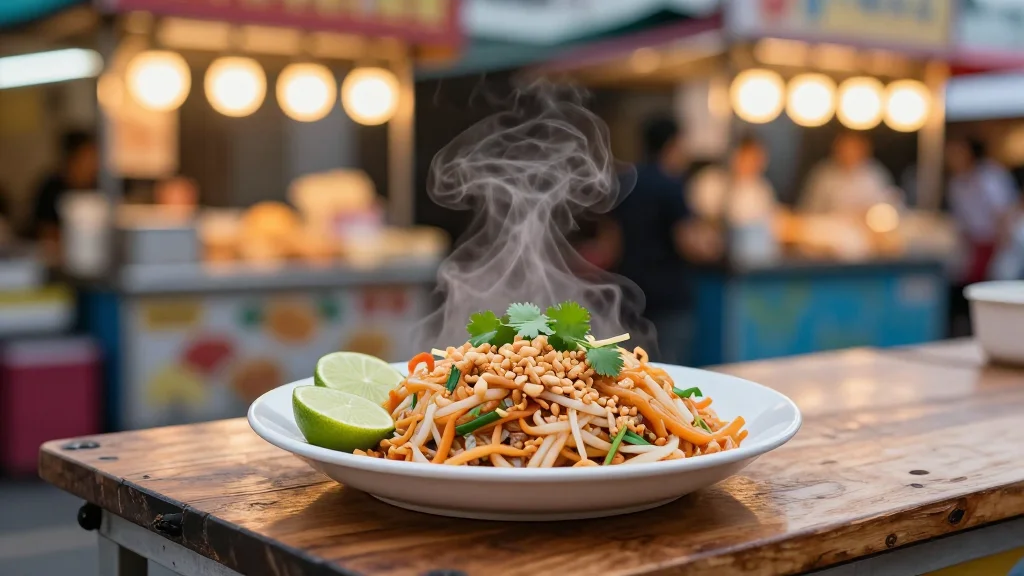
Bangkok Cracks Down on Street‑Food Vendors, Relocating Thousands to Hawker Centres

Why It Matters
The crackdown on Bangkok’s street‑food vendors strikes at the heart of the city’s tourism engine and informal labor market. By moving vendors into regulated hawker centres, the municipality hopes to improve safety and generate tax revenue, but it also risks diluting the organic, on‑the‑go dining experience that defines Bangkok for visitors. The policy’s success or failure will influence how other rapidly growing Asian cities manage the tension between urban order and cultural heritage. Moreover, the shift highlights broader socioeconomic issues: rising living costs, limited social safety nets for low‑income workers, and the challenge of integrating informal economies into formal planning. How Bangkok navigates these pressures will set a precedent for balancing economic modernization with the preservation of culinary traditions that attract global attention.
Key Takeaways
- •Bangkok municipal government orders removal of illegal street‑food stalls from main roads.
- •Estimated 10,000 mobile vendors have disappeared since 2022, a 60% decline.
- •Vendors fined 1,000 baht (≈ $30) for obstruction; new hawker‑centre stalls cost 60 baht (≈ $2) per day.
- •BMA official Kunanop Lertpraiwan says relocation will be phased, not immediate.
- •Two new hawker centres planned for 2026, aiming to house displaced sellers.
Pulse Analysis
Bangkok’s aggressive vendor relocation reflects a broader regional trend where megacities attempt to formalize informal economies. Historically, street food thrived in the regulatory vacuum of post‑war Bangkok, offering cheap meals and a social hub for commuters. The recent crackdown marks a departure from that laissez‑faire approach, driven by rising real‑estate pressures and a desire to project a cleaner, more tourist‑friendly image.
From a market perspective, the shift could create a new niche for organized hawker‑centre operators, potentially attracting private investment in infrastructure and branding. However, the loss of ad‑hoc stalls may reduce the city’s culinary diversity, as vendors who once experimented with fusion dishes lose the low‑cost testing ground that street corners provide. This could slow the emergence of next‑generation Thai food trends that often start in informal settings.
Looking ahead, the policy’s durability will hinge on vendor compliance and tourist response. If the hawker centres can replicate the vibrancy of curb‑side markets while offering better sanitation and security, they may become a sustainable model. Conversely, if the crackdown drives vendors underground or pushes them out of the city, Bangkok could see a dip in its street‑food reputation, affecting tourism revenues that contribute billions to the local economy each year. Stakeholders—from city planners to small‑scale entrepreneurs—must therefore negotiate a compromise that preserves the city’s gastronomic soul while meeting modern urban standards.
Bangkok Cracks Down on Street‑Food Vendors, Relocating Thousands to Hawker Centres
Comments
Want to join the conversation?
Loading comments...