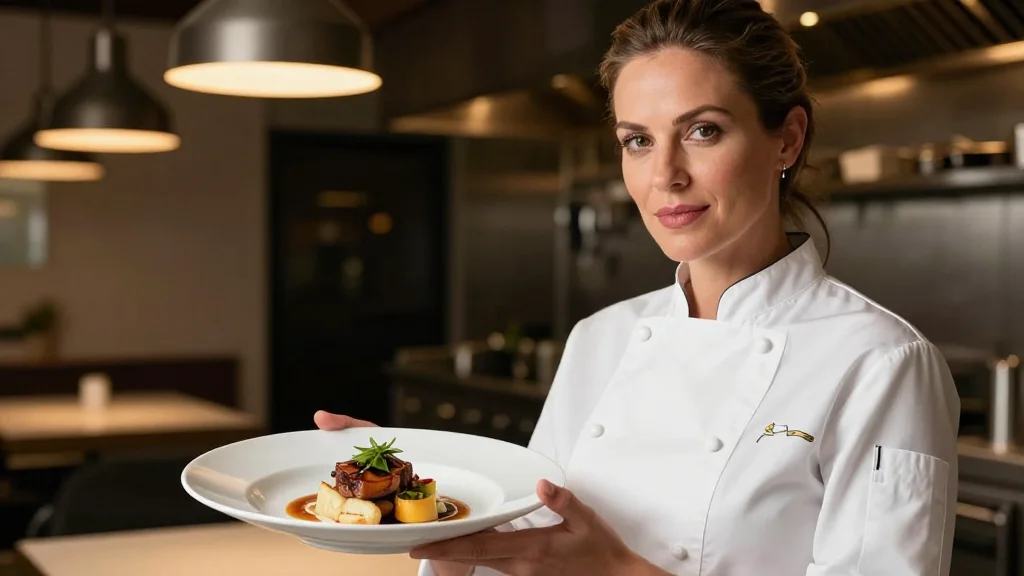
Beata Śniechowska Becomes Poland’s First Female Michelin-Starred Chef

Why It Matters
Śniechowska’s Michelin star shatters a gender barrier in Poland’s elite culinary circle, signaling that women can attain the highest levels of recognition in a field historically dominated by men. The award also amplifies the visibility of Polish cuisine on the global stage, encouraging food tourism and supporting local producers who supply seasonal, region‑specific ingredients. By highlighting a chef who transitioned from engineering to gastronomy, the story underscores the value of interdisciplinary skill sets in modern restaurant management. The expanded Michelin Guide for Poland, now covering a broader geographic swath, provides a benchmark for quality that can drive investment in culinary infrastructure across the country. As more establishments vie for stars, competition is likely to raise overall standards, benefiting consumers and the hospitality workforce alike.
Key Takeaways
- •Beata Śniechowska becomes the first female Michelin‑starred chef in Poland.
- •BABA, her Wrocław bistro, earned the star during the launch of Poland’s first full‑nation Michelin Guide.
- •The guide lists 11 starred restaurants, 38 Bib Gourmands, and covers 196 venues nationwide.
- •Śniechowska previously won MasterChef Poland (2013) and held a Bib Gourmand in 2025.
- •The star highlights growing gender diversity and could boost culinary tourism in Poland.
Pulse Analysis
The milestone achieved by Śniechowska arrives at a moment when the Michelin Guide is actively expanding its footprint in Central Europe. Historically, Michelin’s presence in Eastern Europe has been limited, with a handful of stars concentrated in capital cities. By recognizing a restaurant in Wrocław, the guide signals a shift toward a more decentralized evaluation model that rewards regional excellence. This could catalyze a wave of investment in secondary cities, where culinary talent often remains under‑the‑radar.
From a gender‑equity perspective, Śniechowska’s accolade may serve as a catalyst for systemic change. While women have made inroads in hospitality, the upper echelons of fine dining remain skewed. Her visibility provides a tangible role model for aspiring female chefs, potentially encouraging culinary schools and mentorship programs to prioritize inclusivity. Industry bodies may also feel pressure to track and publish gender‑based metrics, fostering greater transparency.
Economically, the star is likely to translate into increased foot traffic and higher average checks for BABA, as diners seek the prestige associated with Michelin recognition. The ripple effect extends to suppliers of local produce, who stand to benefit from heightened demand for high‑quality, seasonal ingredients. In the longer term, the combination of a broader guide and a more diverse pool of star candidates could reshape Poland’s gastronomic identity, positioning it as a destination for innovative, tradition‑rooted cuisine on the world stage.
Beata Śniechowska Becomes Poland’s First Female Michelin-Starred Chef
Comments
Want to join the conversation?
Loading comments...