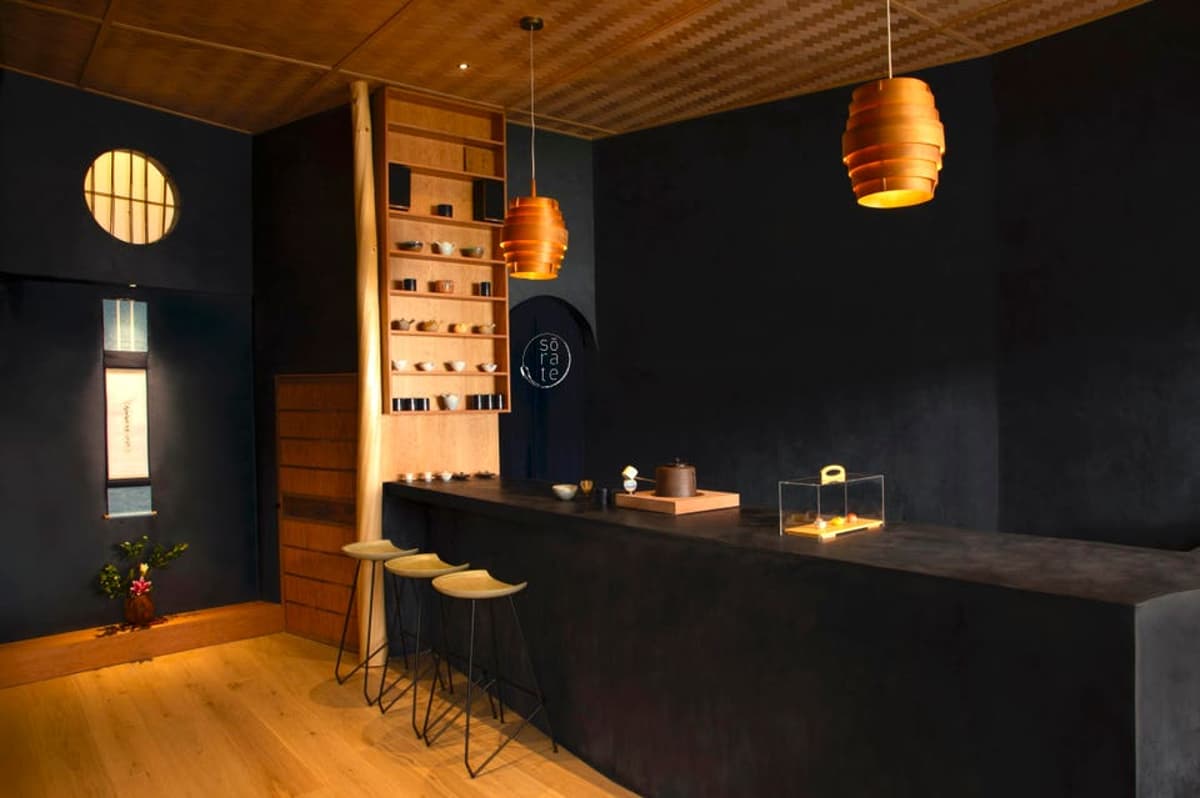
Beyond Matcha Latte: Sorate Brings Real Japanese Tea Culture To New York
Why It Matters
By delivering genuine Japanese tea experiences, Sorate taps into growing consumer demand for wellness‑focused, culturally authentic products, differentiating itself from the mainstream matcha latte market. Its expansion plans could reshape specialty tea retail in major U.S. cities and abroad.
Key Takeaways
- •Japanese tea exports hit ¥72.1 bn ($455 m) in 2025, up 98% YoY.
- •Sorate opened its first NYC store in Soho (2023) and Flatiron (2025).
- •Founder Silvia Mella sourced tea from Nagatani farm after initial rejection.
- •70% of online customers are women 30‑50; in‑store visitors skew younger.
- •Sorate plans expansion to other U.S. cities, Italy, and Kyoto.
Pulse Analysis
The global appetite for Japanese tea has moved beyond the Instagram‑friendly matcha latte, as export data shows a near‑doubling of value to ¥72.1 bn ($455 m) in 2025. While matcha dominates U.S. imports, authentic varieties such as sencha and gyokuro remain under‑represented in mainstream cafés, creating a niche for brands that can bridge cultural authenticity with modern convenience. This macro trend signals a broader shift toward wellness‑oriented beverages that also carry a story of heritage and craftsmanship.
Sorate’s emergence in New York illustrates how a focused founder can translate personal experience into a differentiated retail concept. Silvia Mella leveraged design expertise from her fashion‑magazine background to secure a partnership with the historic Nagatani farm, overcoming initial skepticism about a foreign entrepreneur. By curating a menu that spans everyday teas and premium ceremonial grades, and by inviting Omotesenke‑school master Keiko Kitazawa to lead in‑store tea ceremonies, Sorate offers consumers a tactile encounter with Japanese tea culture that goes beyond taste alone.
The brand’s demographic data—70% of online buyers are women aged 30‑50, while in‑store traffic skews younger—highlights a cross‑generational appeal that many specialty food retailers struggle to achieve. As Sorate eyes expansion into other U.S. metros, Italy, and even Kyoto, it could set a template for culturally authentic beverage concepts that marry heritage with the health‑conscious consumer. Investors and industry observers should watch how this model influences supply chains, premium tea pricing, and the broader narrative of experiential retail in the post‑pandemic era.
Beyond Matcha Latte: Sorate Brings Real Japanese Tea Culture To New York
Comments
Want to join the conversation?
Loading comments...