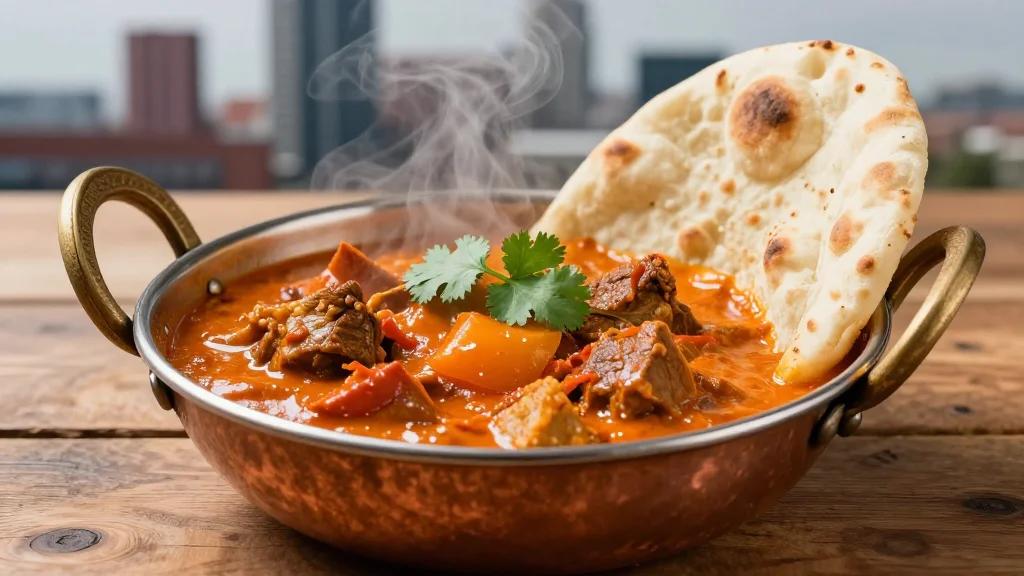
Birmingham’s Balti Could Earn UNESCO Intangible Heritage Status Within 12 Weeks

Why It Matters
The potential UNESCO designation places Birmingham’s balti on a global cultural map, affirming the city’s role in shaping British‑Asian cuisine. By codifying the dish’s method of preparation, the status could protect an intangible asset from commercial dilution and provide a rallying point for community identity. Economically, heritage recognition often translates into increased tourism spend, new business opportunities, and heightened media attention, all of which could reverse the decline of the Balti Triangle and stimulate related supply chains. Moreover, the case highlights a broader debate about how diaspora‑born foods are preserved and celebrated. As immigrant cuisines become mainstream, the tension between commercial adaptation and cultural authenticity intensifies. Birmingham’s bid could set a precedent for other regional dishes seeking protection, influencing policy discussions around intangible heritage in multicultural societies.
Key Takeaways
- •Zaf Hussain expects UNESCO’s decision on Birmingham balti within 12 weeks
- •Balti Triangle has shrunk from 30+ venues to a handful
- •Previous trademark attempts failed due to widespread use
- •UNESCO status could boost culinary tourism and local supply chains
- •Recognition alone won’t solve staffing and generational challenges
Pulse Analysis
Birmingham’s push for UNESCO intangible heritage status reflects a strategic use of cultural branding to address a market failure. The balti’s decline is not merely a culinary story; it is a symptom of shifting consumer patterns, labor shortages, and the commodification of ethnic foods. By securing a heritage label, stakeholders hope to create a protected niche that differentiates authentic balti from mass‑produced variants, thereby re‑establishing a premium segment.
Historically, UNESCO designations have acted as catalysts for tourism spikes—think of the Mediterranean diet or Japanese washoku. For Birmingham, the potential upside is twofold: a surge in visitor numbers and a legitimizing narrative that can attract public and private investment into the area’s infrastructure. However, the success of such a strategy hinges on execution. Without coordinated efforts—training programs for chefs, marketing campaigns, and incentives for new entrants—the designation could become a symbolic trophy rather than a driver of economic renewal.
Looking ahead, the decision will test whether heritage protection can be an effective tool for urban regeneration in post‑industrial British cities. If UNESCO grants the status, policymakers will need to translate cultural prestige into concrete support mechanisms, such as grants for venue upgrades and workforce development. If the bid is rejected, the balti community may need to explore alternative protective frameworks, perhaps through geographic indication schemes or local council ordinances, to safeguard the dish’s future.
Birmingham’s Balti Could Earn UNESCO Intangible Heritage Status Within 12 Weeks
Comments
Want to join the conversation?
Loading comments...