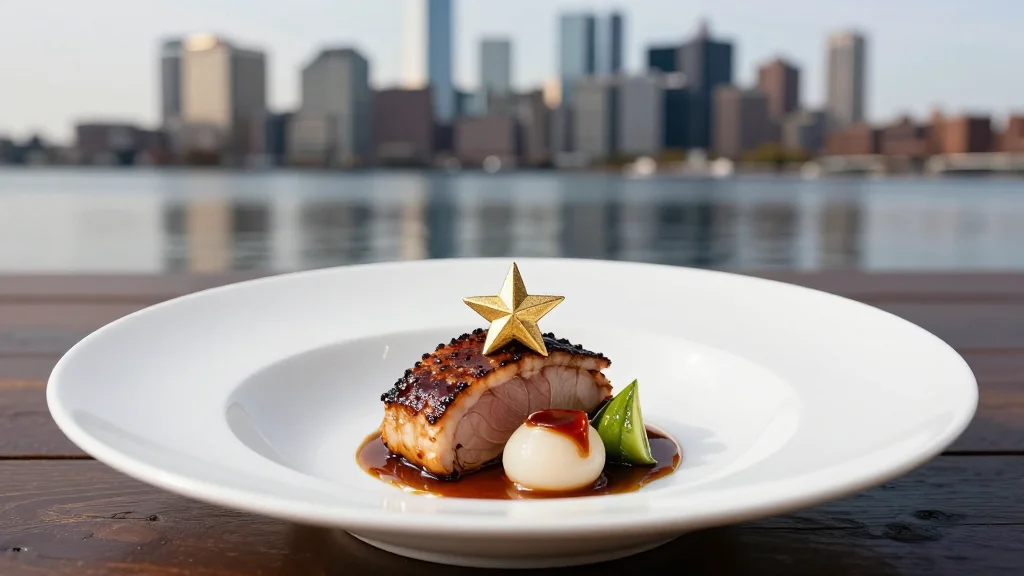
Boston Joins Michelin Guide for First Time, Expanding U.S. Culinary Map

Companies Mentioned
Why It Matters
Boston’s debut in the Michelin Guide validates years of culinary investment and signals that the city has matured into a world‑class dining destination. The recognition is likely to attract food‑focused tourism, increase reservation demand, and stimulate capital inflows into the local restaurant ecosystem. Moreover, the guide’s expansion into Boston reflects a broader trend of diversifying the U.S. culinary map, giving emerging markets a platform to compete for global attention. For chefs and restaurateurs, Michelin inclusion offers both a badge of honor and a commercial lever. The potential for higher foot traffic, premium pricing power, and media coverage can translate into measurable revenue growth. At the same time, the heightened scrutiny may push establishments to elevate standards across service, sustainability, and culinary innovation, raising the overall quality bar for Boston’s food scene.
Key Takeaways
- •Boston and Cambridge restaurants received their first Michelin recognition in November 2025
- •Several venues earned Bib Gourmand honors for value-driven excellence
- •The guide’s U.S. footprint now covers eight major cities
- •Michelin inclusion is expected to boost tourism and restaurant reservations in Boston
- •Potential for Boston restaurants to earn Michelin stars in the 2026 edition
Pulse Analysis
Boston’s entry into the Michelin Guide marks a strategic inflection point for both the city and the guide itself. Historically, Michelin’s expansion into new U.S. markets has coincided with a surge in high‑end culinary investment, as seen in the guide’s earlier forays into Washington, D.C., and Los Angeles. Boston’s strong academic and biotech sectors have fostered a culture of experimentation, giving chefs the resources to push culinary boundaries. This environment aligns with Michelin’s evolving criteria, which now weigh creativity and sustainability alongside traditional technique.
From a market perspective, the announcement is likely to trigger a wave of capital allocation toward Boston’s hospitality real estate. Investors often view Michelin recognition as a risk mitigant, prompting higher valuations for properties housing acclaimed eateries. Existing restaurants may seek to upgrade interiors, refine service protocols, and source premium ingredients to position themselves for future star consideration. Conversely, the competitive pressure could strain smaller operators who lack the financial bandwidth to meet elevated expectations.
Looking forward, the guide’s continued focus on Boston suggests a longer‑term commitment to the city’s culinary narrative. If Boston secures its first Michelin stars in the next edition, the ripple effects could extend beyond dining, influencing related sectors such as luxury hotels, specialty food producers, and culinary tourism operators. The city’s ability to sustain this momentum will hinge on maintaining a pipeline of talent, fostering inclusive growth, and balancing the allure of prestige with the authenticity that originally defined its food culture.
Boston Joins Michelin Guide for First Time, Expanding U.S. Culinary Map
Comments
Want to join the conversation?
Loading comments...