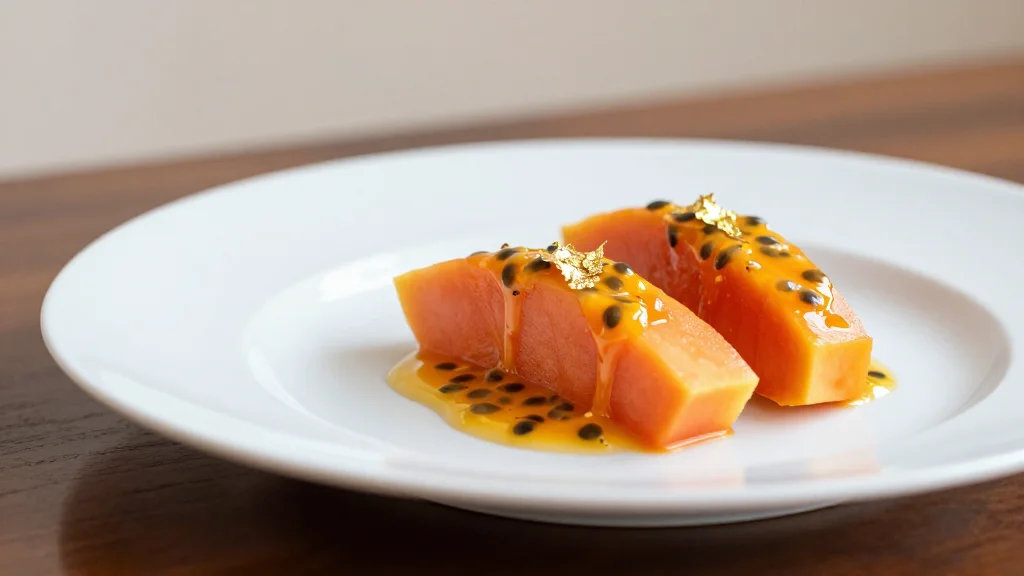
Brazil's Evvai and Tuju Earn First Triple‑Star Michelin Ratings in Latin America

Companies Mentioned
Why It Matters
The triple‑star designation for Evvai and Tuju signals that Latin America can compete with the world’s most revered dining destinations. It validates the region’s culinary innovation, encourages tourism spending, and may drive policy support for high‑quality food production. By setting a benchmark, the awards could inspire other Latin American chefs to pursue excellence, fostering a virtuous cycle of investment, talent development, and global recognition. Beyond economics, the accolades highlight the cultural importance of food as a conduit for national identity. Brazil’s rich agricultural heritage and diverse culinary traditions now have a platform on the world stage, potentially influencing how the country markets itself abroad and how its food culture is perceived globally.
Key Takeaways
- •Evvai and Tuju receive three Michelin stars, the first in Latin America
- •Michelin’s highest rating denotes "exceptional cuisine worth a special journey"
- •The awards are expected to boost gastronomic tourism to Brazil
- •Potential increase in high‑end restaurant investment across the continent
- •Raises debate about luxury dining models versus broader food equity goals
Pulse Analysis
The Michelin Guide’s decision to award three stars to two Brazilian restaurants reflects a strategic shift toward recognizing culinary excellence outside its traditional strongholds. Historically, the guide’s presence in Latin America has been limited, with only a handful of one‑ and two‑star venues. By elevating Evvai and Tuju, Michelin not only acknowledges Brazil’s growing sophistication but also positions itself to capture a new market of affluent travelers seeking unique dining experiences.
From a market perspective, the triple‑star status is likely to act as a catalyst for capital inflow into the region’s fine‑dining ecosystem. Private equity firms and hospitality groups may accelerate plans to open or upgrade establishments that can meet Michelin’s criteria, leading to a wave of upscale concepts that prioritize local sourcing, sustainability, and culinary innovation. This could also spur ancillary industries—such as premium ingredient suppliers and boutique hospitality services—to expand their offerings.
However, the accolades also surface tension between elite gastronomy and broader food accessibility. While the prestige can elevate Brazil’s global culinary profile, it may also reinforce a perception that high‑quality food is a luxury reserved for a narrow segment of society. Stakeholders will need to balance the pursuit of excellence with initiatives that democratize access to quality ingredients and culinary education. If managed thoughtfully, the triple‑star milestone could serve as a springboard for both economic growth and inclusive food culture development across Latin America.
Brazil's Evvai and Tuju Earn First Triple‑Star Michelin Ratings in Latin America
Comments
Want to join the conversation?
Loading comments...