Camille Earns First U.S. Michelin Star for Innovative Pho

Companies Mentioned
Why It Matters
The Michelin star awarded to Camille signals a watershed moment for Vietnamese cuisine in the United States, elevating it from casual street fare to a contender in the global fine‑dining arena. This recognition not only validates the culinary artistry of chefs like Tung Phan but also opens doors for increased investment, media attention, and culinary tourism focused on Vietnamese flavors. Moreover, the accolade challenges prevailing notions of what constitutes “Michelin‑worthy” food, encouraging other ethnic cuisines to experiment with technique and presentation. As Vietnamese restaurants adopt similar high‑concept approaches, diners nationwide will gain broader exposure to the depth and versatility of the cuisine, potentially reshaping American food culture.
Key Takeaways
- •Camille in Orlando receives its first Michelin star, the first for a U.S. Vietnamese restaurant
- •Chef Tung Phan blends Le Cordon Bleu training with Southern Vietnamese flavors
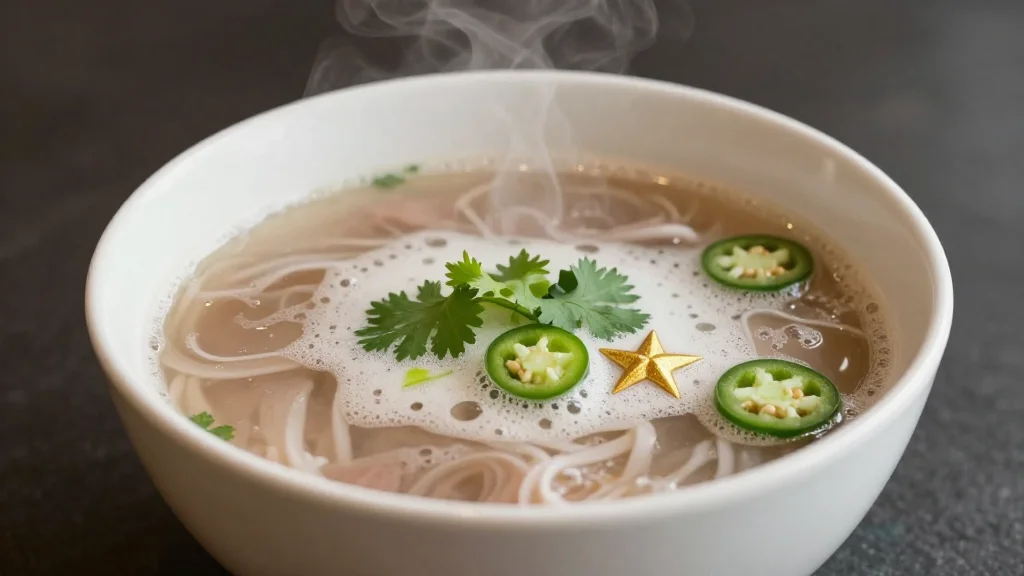
- •Signature "Pho Espuma" turns traditional broth into a foam while retaining classic aromatics
- •Michelin Guide highlights the use of premium ingredients like Wagyu beef and French foie gras
- •The award may spur further high‑end Vietnamese concepts and attract culinary tourism
Pulse Analysis
Camille’s Michelin star is more than a badge of excellence; it represents a strategic shift in how ethnic cuisines are positioned in the U.S. market. Historically, Vietnamese food has been associated with casual eateries and pho bowls served in modest settings. By marrying French technique with Vietnamese flavor architecture, Phan has created a hybrid model that satisfies both the guide’s exacting standards and diners’ appetite for novelty. This approach mirrors successful strategies seen in Japanese and Korean fine‑dining, where chefs reframe traditional dishes through a haute‑cuisine lens.
From an investment perspective, the star reduces perceived risk for backers eyeing upscale Asian concepts. Capital flows that once favored established French or Italian establishments are now diversifying into under‑represented cuisines with proven scalability. The limited‑seating, pop‑up origin of Camille also demonstrates a low‑overhead pathway to Michelin recognition, suggesting that other chefs could replicate the model without massive upfront costs.
Looking forward, the key challenge will be balancing innovation with authenticity. As more Vietnamese chefs chase stars, the market could become saturated with overly experimental menus that alienate core patrons. The sustainable path will likely involve a tiered ecosystem: flagship fine‑dining venues like Camille driving brand prestige, while neighborhood pho shops preserve the cultural roots that made the cuisine popular in the first place. This dual‑track strategy could ensure that Vietnamese food remains both accessible and aspirational, cementing its place in America’s evolving culinary hierarchy.
Camille Earns First U.S. Michelin Star for Innovative Pho
Comments
Want to join the conversation?
Loading comments...