Why It Matters
Charmoula’s rise reflects growing consumer demand for authentic, health‑forward Mediterranean flavors that are easy to prepare, offering food brands a template for ready‑to‑use sauce products.
Key Takeaways
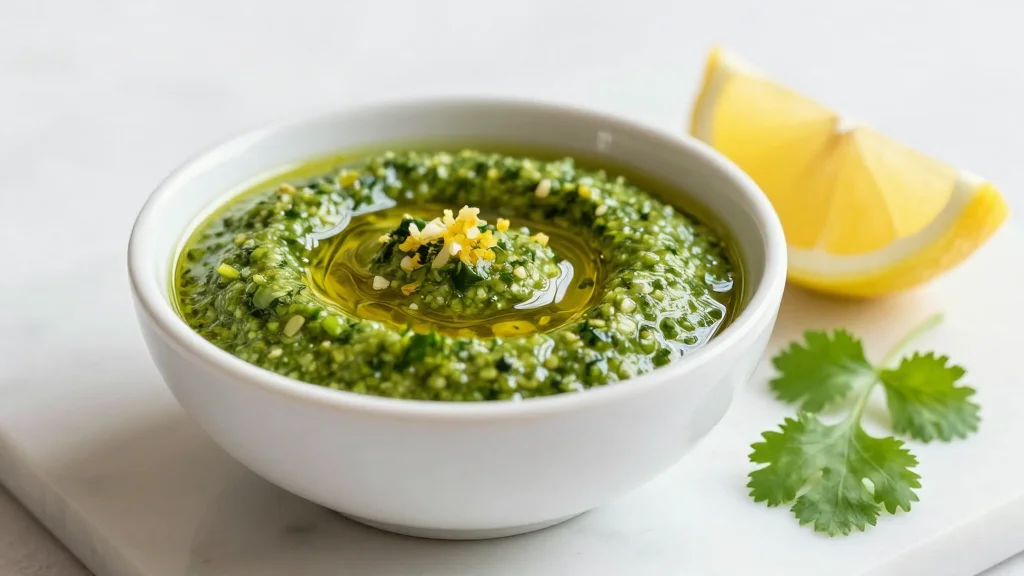
- •Charmoula blends cilantro, lemon, garlic, cumin, and olive oil
- •Sauce works as both marinade and finishing condiment
- •Ready in minutes, no cooking required
- •Keeps best flavor when used same day
- •Can be stored up to two days refrigerated
Pulse Analysis
Charmoula, a staple of Moroccan, Algerian, and Tunisian kitchens, has long been prized for its bright, herb‑forward profile. Chef Anissa Helou, celebrated for her deep dives into Middle Eastern and Mediterranean gastronomy, recently published a streamlined version that retains the traditional balance of cilantro, lemon, garlic, and warm spices. By emphasizing fresh, unprocessed ingredients, the sauce captures the essence of North African street food while remaining accessible to home cooks worldwide.
The surge in popularity of sauces like charmoula aligns with broader market trends favoring convenient, health‑conscious flavor boosters. Consumers are increasingly seeking Mediterranean‑inspired products that deliver bold taste without excess sodium or artificial additives. Industry analysts note that ready‑to‑use herb sauces are projected to grow double‑digit percentages annually, driven by the rise of home‑cooking post‑pandemic and the appeal of globally inspired dishes. Charmoula’s versatility—serving as a marinade, dip, or finishing drizzle—makes it an attractive candidate for both retail shelf space and food‑service menus seeking to differentiate with authentic regional flavors.
For chefs and food entrepreneurs, charmoula offers a low‑cost, high‑impact ingredient that can elevate a wide array of dishes. Its quick preparation—just minutes of chopping and mixing—means it can be produced in small batches for boutique eateries or scaled for larger operations. Moreover, the sauce’s natural acidity and herbaceous notes complement protein‑rich meals, aligning with current consumer preferences for balanced, nutrient‑dense plates. As the culinary landscape continues to embrace global flavors, charmoula stands out as a timeless yet contemporary condiment poised for broader commercial adoption.
Charmoula
Comments
Want to join the conversation?
Loading comments...