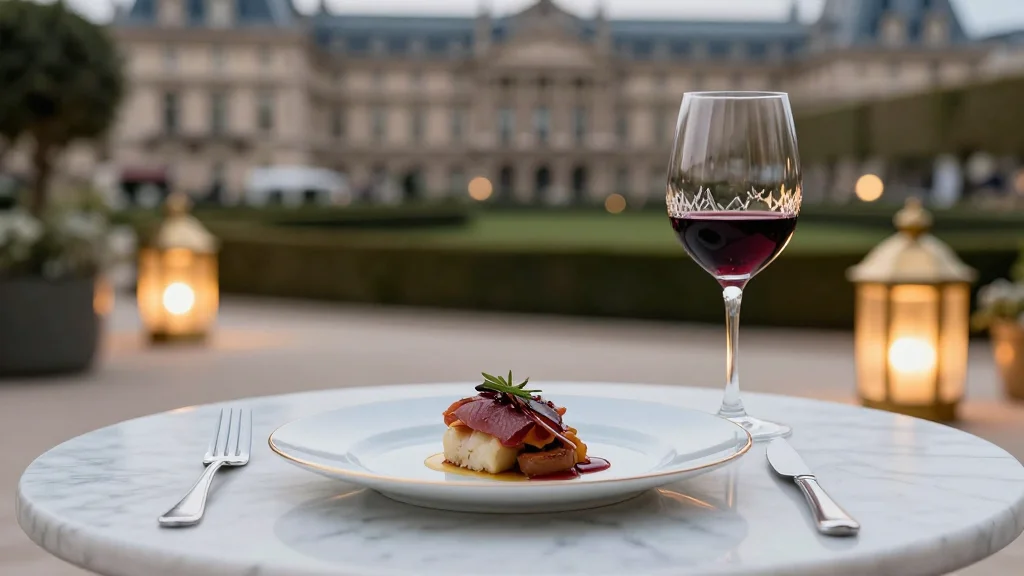
Chef Alan Taudon Takes Helm at Hôtel De Crillon, Launches $265 Garden Dining Series

Companies Mentioned
Why It Matters
Alan Taudon’s move to Hôtel de Crillon underscores the growing convergence of luxury hospitality and haute cuisine, a trend that reshapes revenue models for historic hotels. By offering an ultra‑exclusive, garden‑based tasting experience, the hotel taps into consumer demand for immersive, limited‑capacity dining, potentially boosting ancillary spend and reinforcing Paris’s reputation as a global gastronomic capital. The appointment also highlights the competitive pressure on Parisian hotels to secure marquee culinary talent, a factor that could drive further innovation in menu development, sustainability practices, and guest experience design. For the broader food industry, Taudon’s emphasis on seasonality and botanical inspiration reflects a shift toward hyper‑local sourcing and narrative‑driven menus. As luxury hotels adopt similar concepts, suppliers of premium produce, seafood, and specialty wines may see increased demand, while culinary schools could experience heightened interest in training chefs capable of delivering such nuanced experiences.
Key Takeaways
- •Alan Taudon, two‑Michelin‑starred chef, appointed executive chef of Hôtel de Crillon effective June 1
- •Launch of L'Herbier Secret garden terrace tasting series, $265 per guest, limited to 4‑6 seats
- •Series runs June 12‑July 25, Thursday‑Saturday, with optional $148 wine pairing
- •Concept emphasizes sea‑inspired and plant‑forward cuisine, reflecting Taudon's signature style
- •Hotel plans a further innovative culinary concept for 2027, aiming to cement its luxury dining leadership
Pulse Analysis
The appointment of Alan Taudon is more than a headline; it reflects a strategic pivot by heritage hotels toward culinary differentiation as a core revenue driver. Historically, Parisian luxury hotels relied on their historic charm and service excellence. Over the past decade, however, the rise of destination restaurants and pop‑up experiences has eroded that advantage. By embedding a chef of Taudon’s caliber, Hôtel de Crillon is effectively turning its dining operation into a standalone attraction, capable of generating high‑margin ancillary revenue and enhancing brand perception.
Taudon’s garden‑centric concept dovetails with the sustainability narrative gaining traction among affluent diners. The limited‑seat format creates scarcity, a proven tactic to command premium pricing and generate buzz on social media. This model also mitigates risk: the hotel can test menu innovations in a controlled environment before scaling them across its broader restaurant portfolio. If the 2027 concept delivers on its promise of innovation, Hôtel de Crillon could set a new benchmark for how luxury hotels integrate culinary artistry with experiential design.
Looking ahead, the competitive response will be telling. Other historic hotels may accelerate their own chef recruitment and develop similarly intimate concepts, potentially leading to a wave of boutique, chef‑driven experiences across the city. For suppliers, this trend translates into a steady demand for high‑quality, seasonal ingredients, while for the hospitality workforce, it underscores the need for chefs who can blend artistry with operational efficiency. In sum, Taudon’s arrival is a bellwether for the next evolution of luxury hospitality dining in Paris and beyond.
Chef Alan Taudon Takes Helm at Hôtel de Crillon, Launches $265 Garden Dining Series
Comments
Want to join the conversation?
Loading comments...