Chef Daniel Patterson Launches Jacaranda, a Hollywood Fine‑Dining Reinvention

Companies Mentioned
Why It Matters
Jacaranda’s launch underscores a broader shift in the food industry toward hybrid dining experiences that marry the rigor of fine dining with the accessibility of pop‑up culture. By prioritizing sustainability, communal seating, and a curated soundtrack, Patterson and Lewitinn are challenging the notion that high‑end cuisine must be formal and exclusive. Their approach could influence other chefs to experiment with smaller, more flexible formats, potentially lowering barriers to entry for innovative concepts and reshaping consumer expectations for what a fine‑dining experience looks like in a post‑pandemic world. The restaurant also highlights the growing importance of personal branding and cross‑industry collaboration in culinary success. Lewitinn’s background in music and media brings a cultural cachet that complements Patterson’s culinary pedigree, creating a multidimensional narrative that resonates with a younger, experience‑seeking demographic. This synergy may become a template for future chef‑partner ventures seeking to differentiate themselves in a crowded market.
Key Takeaways
- •Jacaranda opened this week in Hollywood, marking Daniel Patterson’s first fine‑dining restaurant since Coi closed in 2022.
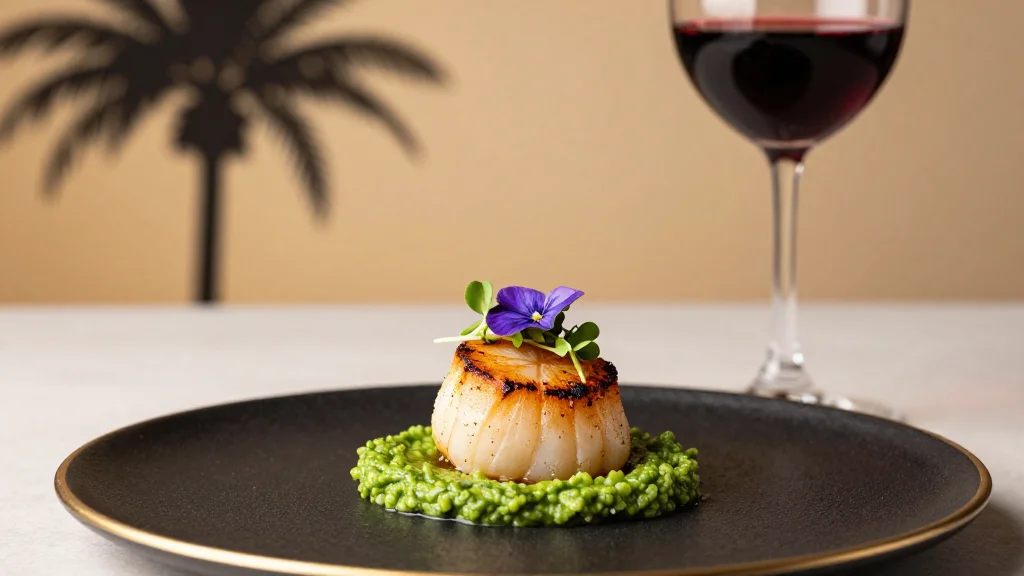
- •The venue features a tasting‑menu focused on sustainable seafood and seasonal produce, with communal tables and an open kitchen.
- •Patterson and Sarah Lewitinn’s partnership began on Hinge in 2021 and led to a 2022 Copenhagen wedding organized by René Redzepi.
- •Jacaranda builds on pandemic pop‑up experiments that hosted chefs like Dominique Crenn and Jon Yao.
- •Reservations open next week; the menu will rotate quarterly, with a potential brunch sister venue in the pipeline.
Pulse Analysis
Jacaroda’s debut is more than a new address on Hollywood’s culinary map; it signals a strategic recalibration of fine‑dining economics. Historically, high‑end restaurants have relied on large, static kitchens and a predictable flow of diners to justify the cost of premium ingredients and labor. Patterson’s pivot to a smaller, pop‑up‑inspired footprint reduces overhead while preserving the artistry that earned him two MICHELIN stars. This leaner model could prove resilient amid lingering post‑pandemic labor shortages and shifting consumer spending habits.
The partnership’s cultural cross‑pollination—melding Patterson’s California cuisine with Lewitinn’s indie‑music heritage—creates a narrative that extends beyond the plate. In an era where diners increasingly seek story‑driven experiences, the couple’s backstory, from a Hinge match to a Copenhagen wedding, offers a compelling hook that can drive media coverage and social buzz. This storytelling advantage may translate into higher reservation conversion rates, especially among millennials and Gen Z diners who value authenticity and personal connection.
Looking ahead, Jacaranda could catalyze a wave of “fine‑casual” concepts that retain culinary rigor while shedding the rigidity of traditional service. If the quarterly menu rotations and communal seating prove profitable, other chefs may adopt similar formats, potentially democratizing fine dining and expanding its audience. The success—or failure—of Jacaranda will likely be watched closely by investors, restaurateurs, and culinary schools as a barometer for the next evolution of upscale dining in America.
Chef Daniel Patterson Launches Jacaranda, a Hollywood Fine‑Dining Reinvention
Comments
Want to join the conversation?
Loading comments...