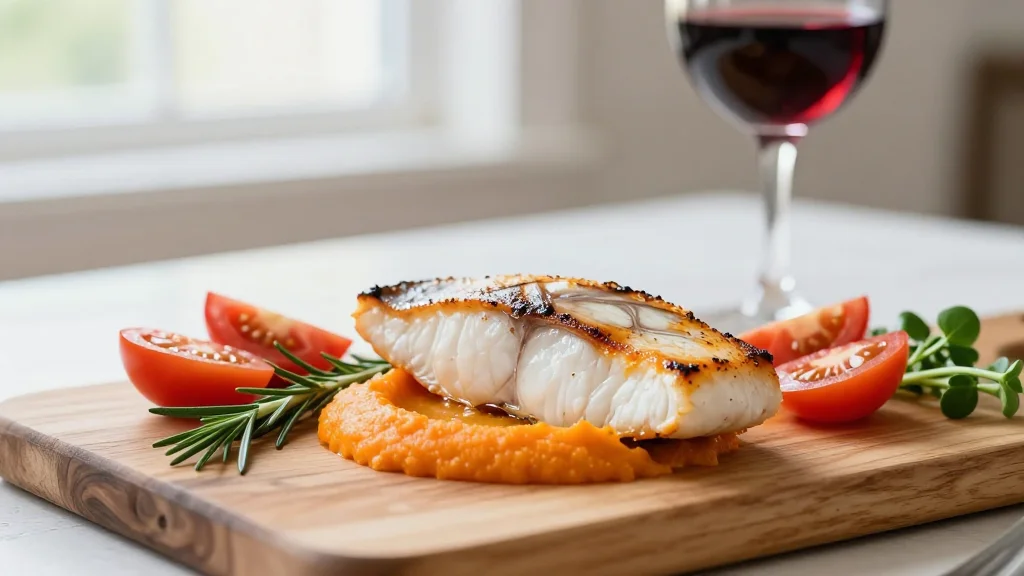
Chef Hasung Lee Opens Oyatte, a French Laundry‑Inspired Farm‑to‑Table Spot in Midtown Manhattan

Companies Mentioned
Why It Matters
Oyatte’s launch underscores the growing appetite among New York diners for hyper‑local, chef‑centric experiences that marry culinary pedigree with transparent sourcing. By anchoring the menu to a single farm, Lee challenges the conventional model of diversified supply chains, potentially prompting other high‑end venues to reconsider how they source produce. The restaurant also highlights the rising influence of culinary television personalities in shaping fine‑dining trends, as Lee’s TV exposure translates into immediate buzz for his brick‑and‑mortar debut. The wine program’s focus on natural and biodynamic selections signals a broader shift in the city’s upscale dining scene toward sustainability and authenticity in the bottle as well as on the plate. As consumers become more educated about provenance, establishments like Oyatte that align their food and beverage narratives may gain a competitive edge, influencing how future restaurant concepts are conceived and marketed.
Key Takeaways
- •Chef Hasung Lee, former French Laundry sous chef, opened Oyatte in Murray Hill, NYC.
- •Menu relies exclusively on produce from Crown Daisy Farm, operated by former French Laundry head farmer Brett Ellis.
- •General manager Cécile Chastanet curated a wine list emphasizing natural and biodynamic wines.
- •Lee gained wider fame as runner‑up on Netflix’s Culinary Class Wars, competing as “Culinary Monster.”
- •Oyatte’s farm‑to‑table model may inspire tighter supply‑chain strategies among upscale NYC restaurants.
Pulse Analysis
Oyatte arrives at a moment when New York’s fine‑dining ecosystem is saturated with celebrity chefs and pop‑up concepts. Lee’s decision to build a permanent, modest‑sized venue that leans heavily on a single farm differentiates him from peers who often chase breadth through multiple suppliers. This focus on depth creates a narrative that is both marketable and operationally disciplined, reducing variability in ingredient quality and reinforcing a story that resonates with diners seeking authenticity.
Historically, chefs trained under Thomas Keller have launched successful ventures that emphasize meticulous technique and ingredient integrity—think Per Se and Bouchon. Lee’s iteration, however, blends that tradition with a modern, minimalist aesthetic and a wine program that eschews the classic Old‑World hierarchy in favor of flavor‑driven pairings. This hybrid approach could set a template for the next generation of chef‑owners who wish to balance reverence for culinary heritage with contemporary consumer values around sustainability and transparency.
Looking ahead, Oyatte’s performance will likely be measured by its ability to maintain a dynamic menu while preserving the farm partnership’s viability. If Lee can sustain a steady flow of seasonal produce without compromising quality, the model may scale to additional locations or inspire collaborative pop‑ups that spotlight other regional farms. Conversely, any supply hiccups could expose the risks inherent in a single‑source strategy, offering a cautionary tale for peers. Either outcome will provide valuable data points for investors and restaurateurs navigating the evolving landscape of high‑end, farm‑focused dining.
Chef Hasung Lee Opens Oyatte, a French Laundry‑Inspired Farm‑to‑Table Spot in Midtown Manhattan
Comments
Want to join the conversation?
Loading comments...