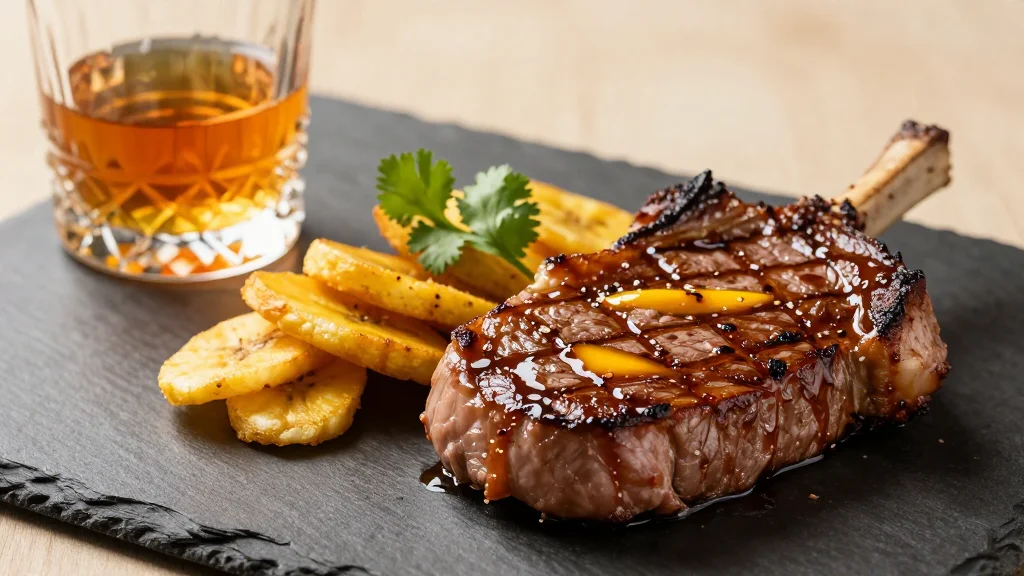
Chef Kwame Onwuachi Launches Maroon Afro‑Caribbean Steakhouse at Sahara Las Vegas

Why It Matters
Maroon represents a watershed moment for Afro‑Caribbean fine dining, moving the cuisine from niche neighborhoods into the mainstream luxury market. By situating the concept on the Las Vegas Strip, the restaurant gains unparalleled visibility, introducing a broader audience to the depth of Caribbean flavors and culinary techniques. The venture also signals to investors and developers that there is commercial appetite for culturally specific, high‑end concepts, potentially spurring further diversification of the U.S. restaurant scene. Beyond the immediate market impact, Maroon’s emphasis on heritage storytelling and sustainable sourcing could set new standards for authenticity and responsibility in the industry. If successful, the model may encourage other chefs to translate regional food traditions into upscale formats, enriching America’s culinary tapestry while providing economic opportunities for producers in the Caribbean and the American South.
Key Takeaways
- •Chef Kwame Onwuachi opened Maroon, an Afro‑Caribbean steakhouse, at Sahara Las Vegas on April 24.
- •Maroon is the chef’s first restaurant outside the East Coast and the first Afro‑Caribbean steakhouse on the Strip.
- •Menu blends classic steakhouse cuts from Texas’s Rosewood Ranch with Jamaican‑style jerk, curry, and seafood dishes.
- •Designed by Modellus Novus, the 125‑seat space features a central jerk pit and island‑inspired décor.
- •Onwuachi aims to expand the concept nationally, using Las Vegas as a high‑visibility launchpad.
Pulse Analysis
Maroon’s debut is more than a new entry on the Las Vegas dining roster; it is a strategic bet on cultural capital as a driver of premium hospitality. Historically, the Strip has been a showcase for globally recognized cuisines—French haute cuisine, Japanese omakase, and Italian trattorias—yet Afro‑Caribbean flavors have largely been confined to casual or mid‑range venues. By positioning Maroon as a steakhouse, Onwuachi taps into the established revenue model of high‑ticket dining while differentiating through flavor and narrative. This hybrid approach could attract both traditional steakhouse patrons seeking novelty and food‑enthusiasts drawn to authentic cultural experiences.
From a market dynamics perspective, the venture aligns with a broader shift toward experiential dining, where storytelling and heritage become part of the value proposition. Onwuachi’s emphasis on honoring his Jamaican roots and the historical reference to the Maroons adds a layer of authenticity that resonates with increasingly socially conscious consumers. Moreover, the partnership with a reputable architecture firm and the use of a custom jerk pit signal a commitment to immersive design, a factor that can command premium pricing and foster repeat visitation.
Looking forward, the success of Maroon will likely influence how investors evaluate culturally specific concepts in high‑traffic venues. If the restaurant demonstrates strong unit economics—high average check, robust table turnover, and positive media buzz—other chefs may be emboldened to pitch similar concepts to casino operators and hotel groups. Conversely, challenges in sourcing specialty ingredients at scale could expose vulnerabilities in the model, prompting a reevaluation of supply chain strategies. Either outcome will provide valuable data points for the next wave of diversification in America’s fine‑dining ecosystem.
Chef Kwame Onwuachi Launches Maroon Afro‑Caribbean Steakhouse at Sahara Las Vegas
Comments
Want to join the conversation?
Loading comments...