Chef Ryan Cole Opens Salsify in Cape Town, Showcasing South African Flavors

Companies Mentioned
Why It Matters
Salsify’s hyper‑local approach highlights a shift in the global food industry toward greater transparency and sustainability. By tying the menu directly to family‑run fisheries and foraged ingredients, the restaurant offers a replicable model for chefs worldwide who wish to reduce supply‑chain opacity and support regional economies. Moreover, the launch reinforces Cape Town’s emerging reputation as a culinary hub, attracting tourists and investors who are increasingly interested in authentic, environmentally conscious dining experiences. The restaurant also underscores the cultural importance of preserving indigenous food knowledge. Cole’s emphasis on ingredients like prenia and num num brings attention to South Africa’s botanical heritage, encouraging both consumers and producers to value and protect native species. This could spur further research and investment in underutilized crops, diversifying the nation’s agricultural portfolio and enhancing food security.
Key Takeaways
- •Chef Ryan Cole opened Salsify at The Roundhouse in Cape Town in late April 2026.
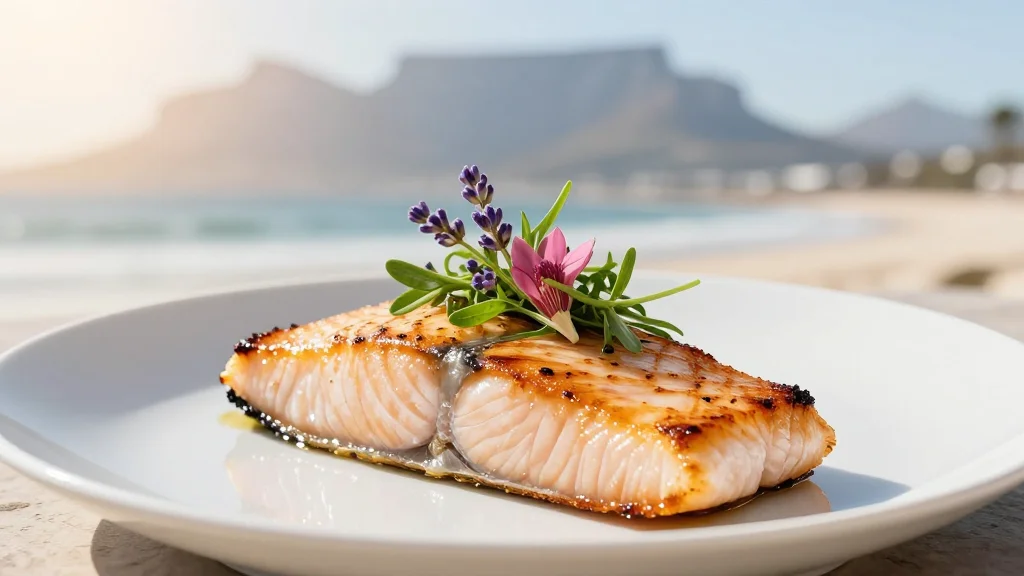
- •The menu features family‑caught yellowtail (17 fish landed on opening day) and foraged Cape ingredients such as prenia and num num.
- •Cole’s brother Donovan supplies the seafood through Ocean Life Charters, creating a direct farm‑to‑fork pipeline.
- •Salsify emphasizes hyper‑local sourcing, paying a premium for first‑pick catches to support small‑scale fisheries.
- •Future plans include seasonal pop‑ups and educational programs on marine stewardship.
Pulse Analysis
Salsify arrives at a crossroads where consumer demand for provenance meets the operational challenges of ultra‑local sourcing. Cole’s model—combining a family fishing charter with personal foraging—offers a compelling narrative but also a logistical tightrope. Premium pricing can offset higher procurement costs, yet scalability remains limited by the seasonal nature of yellowtail and the finite availability of wild foraged items. Restaurants that have attempted similar models, such as New York’s Blue Hill at Stone Barns, demonstrate that storytelling can command higher ticket prices, but only when the experience consistently delivers on quality and authenticity.
From a competitive standpoint, Salsify differentiates itself in a crowded Cape Town market that includes established venues like The Test Kitchen and newer entrants focusing on farm‑to‑table concepts. By anchoring its identity in the sea rather than the field, Cole taps into a niche that aligns with South Africa’s extensive coastline and maritime heritage. This could inspire a wave of coastal chefs to forge direct links with local fishers, potentially reshaping procurement norms across the region.
Looking ahead, the restaurant’s success will hinge on its ability to translate novelty into a sustainable business model. If Cole can maintain a steady flow of high‑quality, responsibly sourced ingredients while expanding his educational outreach, Salsify could become a template for climate‑smart gastronomy in emerging markets. Conversely, any disruption—such as overfishing pressures or regulatory changes to commercial licenses—could expose the fragility of a supply chain that relies heavily on a single family operation. Stakeholders should watch how Salsify navigates these risks, as its trajectory may signal broader trends in the global move toward hyper‑local, ethically sourced dining.
Chef Ryan Cole Opens Salsify in Cape Town, Showcasing South African Flavors
Comments
Want to join the conversation?
Loading comments...