Companies Mentioned

Why It Matters
Accurate timing and temperature prevent under‑ or over‑cooking, safeguarding food safety and flavor for holiday meals and everyday dinners. The data helps both home cooks and food‑service operators plan efficient, cost‑effective preparations.
Key Takeaways
- •Precooked hams: 10‑15 min per pound at 325 °F.
- •Fresh bone‑in legs need 22‑28 min per pound.
- •Spiral‑cut hams cook 10‑18 min per pound, glaze.
- •Country ham must soak, boil, then bake.
- •Target internal temperature: 140‑145 °F for safety.
Pulse Analysis
Understanding the nuances of ham preparation is essential for anyone looking to deliver consistent, restaurant‑quality results at home. The USDA’s weight‑based timing framework, anchored at 325 °F, simplifies the process across most cuts, from whole bone‑in hams to half‑leg portions. By aligning cooking time with the ham’s mass, chefs can achieve the target internal temperature of 140‑145 °F, ensuring both safety and the characteristic juicy texture that distinguishes a well‑executed ham.
For busy households, the rise of convenience products—vacuum‑packed, canned, and spiral‑cut hams—offers a shortcut without sacrificing flavor. These options typically require 10‑20 minutes per pound, dramatically reducing oven time while still demanding a quick thermometer check. Meanwhile, traditional fresh or smoked hams benefit from the bone’s heat‑distribution properties, making them ideal for celebratory meals where depth of flavor and presentation matter. Techniques such as basting, glazing, and strategic placement of the cut side down further mitigate drying risks, especially for leaner, boneless varieties.
Market trends show consumers gravitating toward ready‑to‑serve hams that balance convenience with culinary authenticity. Proper cooking not only meets regulatory safety standards but also maximizes the economic value of each pound, reducing waste and enhancing leftovers for sandwiches, salads, or soups. By mastering the specific timing guidelines for each ham type, businesses can streamline kitchen operations, while home cooks can confidently host gatherings, knowing their ham will be moist, flavorful, and safely prepared.
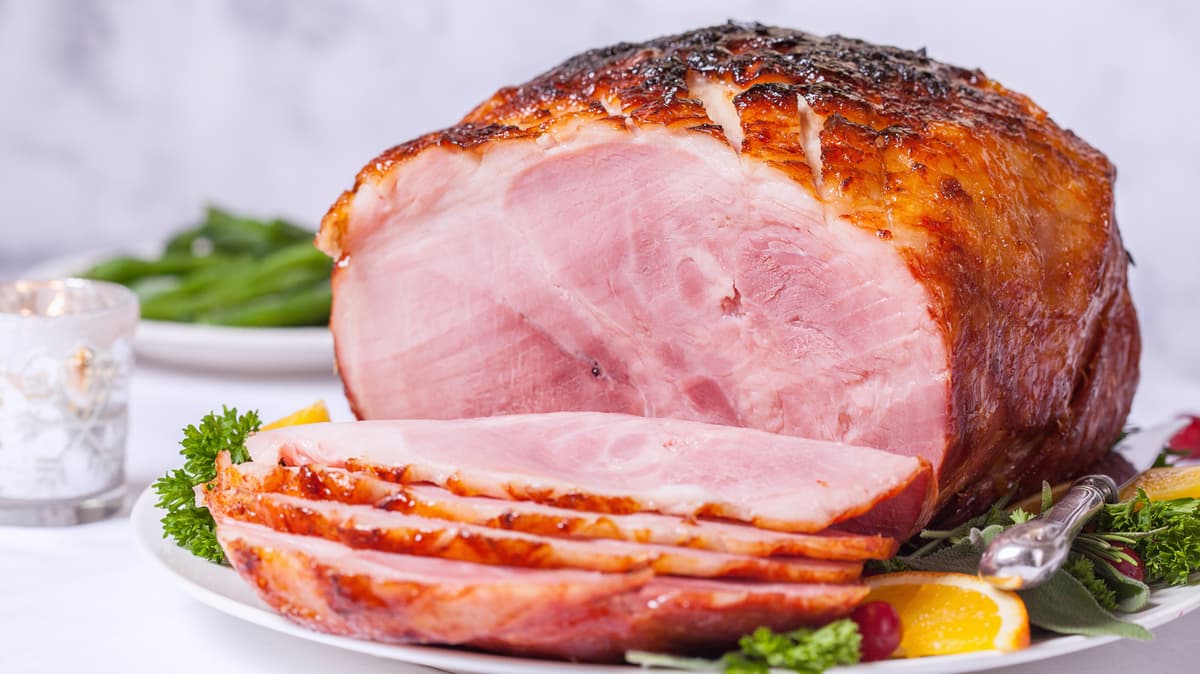
Cook Times For 14 Types Of Ham, Explained
0
Comments
Want to join the conversation?
Loading comments...