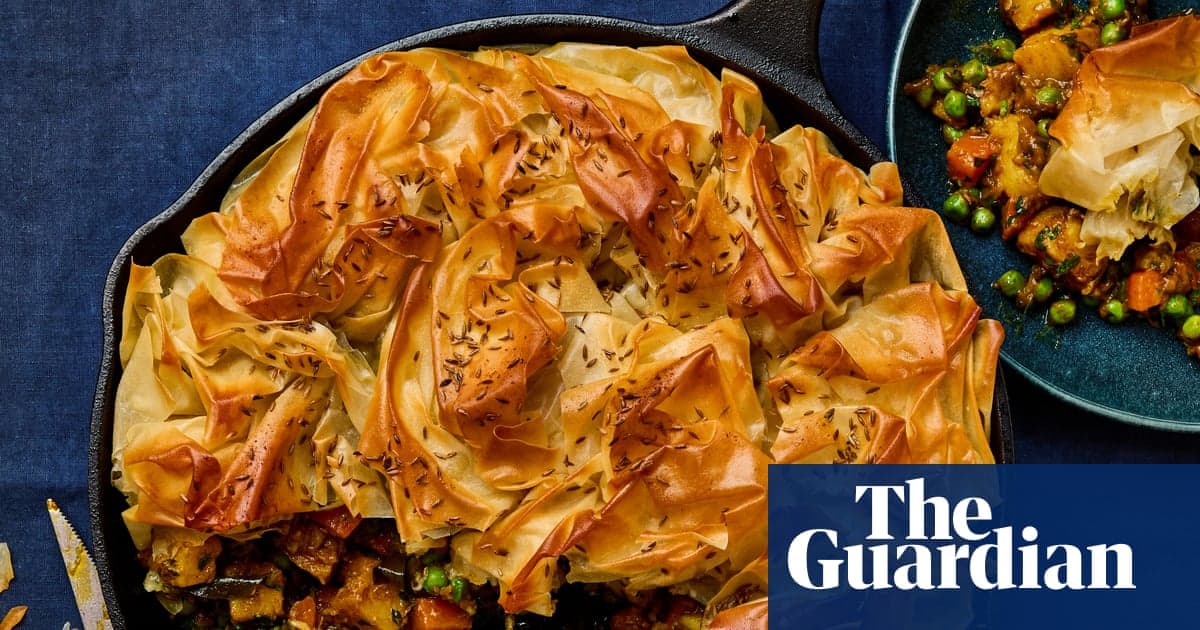
Curry Puff Pies and King Noodles: Ranie Saidi’s Everyday Malaysian Recipes
Why It Matters
The piece underscores the rising demand for authentic Southeast Asian home cooking in Western markets, positioning Malaysian flavors as a growth opportunity for food brands and culinary tourism. It also shows how personal storytelling can differentiate culinary products in a crowded marketplace.
Key Takeaways
- •Ranie Saidi shares curried potato karipap and king noodles recipes.
- •Emphasizes Malay cooking principle of balanced, non‑overpowering flavors.
- •Recipes honor her grandmother, a former wedding cook, linking heritage and grief.
- •Highlights growing U.S. interest in authentic Malaysian home‑cooking experiences.
Pulse Analysis
Malaysian home cooking is gaining traction beyond Southeast Asia, and Ranie Saidi’s latest recipe collection is a timely illustration of that momentum. By spotlighting humble staples such as curried potato karipap pies and king noodles drenched in a punchy sambal, Saidi offers Western home chefs a gateway to the region’s nuanced palate. The dishes are rooted in the teachings of her late grandmother, a wedding cook who believed that no single taste should dominate a plate. This personal lineage adds credibility and emotional resonance that appeals to food‑savvy audiences seeking authentic experiences.
The guiding principle of balance—avoiding overly spicy or sweet notes—mirrors a broader consumer shift toward layered, health‑conscious flavors. As grocery shelves stock more Malaysian sauces, ready‑to‑cook kits, and spice blends, Saidi’s recipes serve as practical templates for integrating those products into everyday meals. Culinary schools and online cooking platforms are also capitalising on this trend, featuring Malaysian modules that teach the art of flavor equilibrium. For food brands, aligning product development with the ‘balanced taste’ ethos can differentiate offerings in a crowded ethnic‑food segment.
Beyond the kitchen, Saidi’s storytelling taps into the diaspora’s desire to preserve cultural identity while introducing newcomers to Malaysian hospitality. The narrative of grief‑turned‑celebration resonates with marketers looking to humanise food brands through authentic heritage narratives. This approach opens avenues for packaged ready‑made karipap, noodle bowls, and sambal sauces aimed at the U.S. market, where demand for convenient yet genuine ethnic meals is projected to grow double‑digit annually. Ultimately, Saidi’s collection illustrates how personal history can fuel commercial expansion in the global food arena.
Curry puff pies and king noodles: Ranie Saidi’s everyday Malaysian recipes
Comments
Want to join the conversation?
Loading comments...