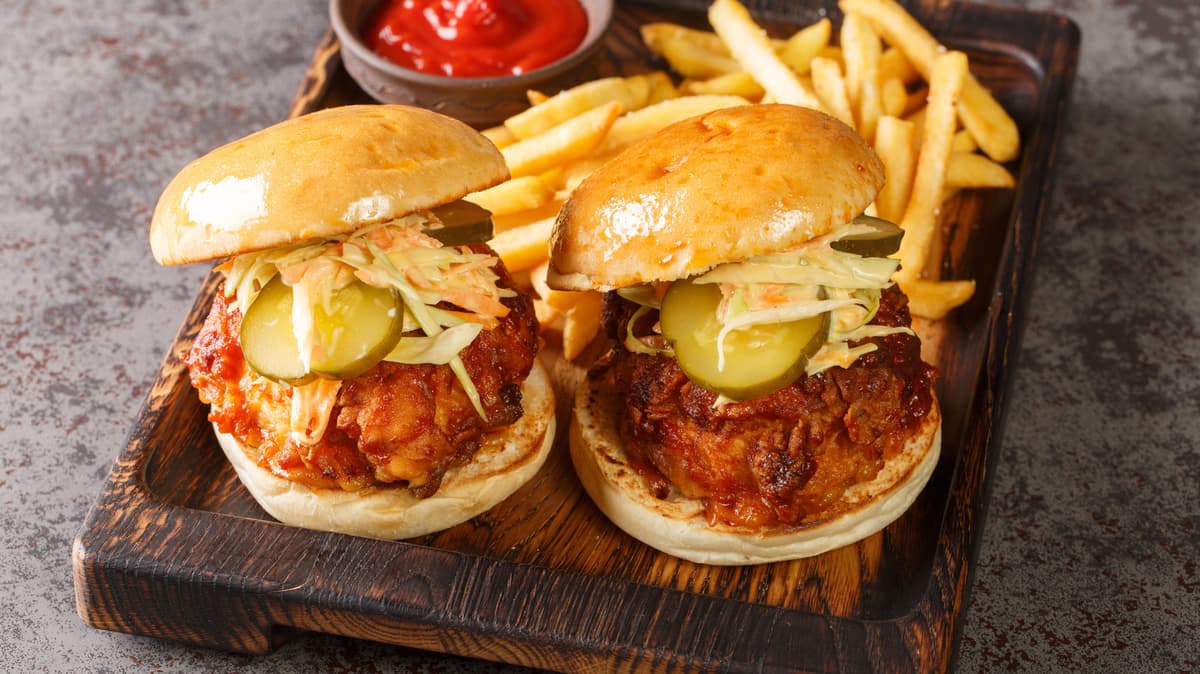
Ditch The Chicken: Use Fish For Your Next Nashville Hot Sandwich And Thank Us Later
Why It Matters
Replacing chicken with fish meets growing consumer demand for lighter, sustainable proteins while retaining the beloved Nashville heat, giving eateries a fresh, profit‑driving menu item.
Key Takeaways
- •Halibut, cod, or haddock work best for Nashville hot fish
- •Batter mimics chicken: buttermilk‑beer or flour‑egg‑breadcrumb coating
- •Hot sauce combines butter, oil, spices, and brown sugar
- •Mayo or jalapeño tartar sauce balances heat and fish flavor
- •Restaurants can boost sales by adding a sustainable fish option
Pulse Analysis
Nashville hot chicken has become a cultural staple, but chefs and home cooks are now swapping the poultry for sturdy white fish such as halibut, cod, or haddock. The fish’s mild flesh absorbs the buttery, spice‑laden sauce while retaining a flaky texture, delivering the same heat without the heaviness of chicken. This substitution aligns with a broader shift toward lighter proteins that still satisfy cravings for bold, Southern‑style flavors. By preserving the iconic brioche bun, coleslaw, and pickles, the sandwich retains its recognizable identity while offering a fresh twist.
The preparation mirrors the classic chicken method: a buttermilk‑beer or flour‑egg‑breadcrumb coating creates a crisp crust, and a brush of hot sauce—typically butter, oil, spices, and brown sugar—infuses heat. Topping choices remain strategic; a thin mayo spread or jalapeño‑spiked tartar sauce adds creaminess without overwhelming the fish’s subtle taste. Crunchy coleslaw or pickles provide texture contrast, while optional cheese or mustard layers introduce additional flavor dimensions. Home cooks benefit from the recipe’s flexibility, and restaurants can easily adapt it to menu specials.
From a business perspective, the Nashville hot fish sandwich taps into two lucrative trends: the demand for protein diversification and the appetite for regional comfort foods with a health‑conscious edge. Seafood’s perceived lower fat content can attract diners seeking lighter options, while the familiar heat profile ensures brand consistency. Early adopters in fast‑casual chains could see incremental ticket growth and differentiate themselves in crowded markets. Moreover, sourcing sustainable white fish aligns with ESG initiatives, appealing to environmentally aware consumers and potentially reducing supply‑chain volatility.
Ditch The Chicken: Use Fish For Your Next Nashville Hot Sandwich And Thank Us Later
Comments
Want to join the conversation?
Loading comments...