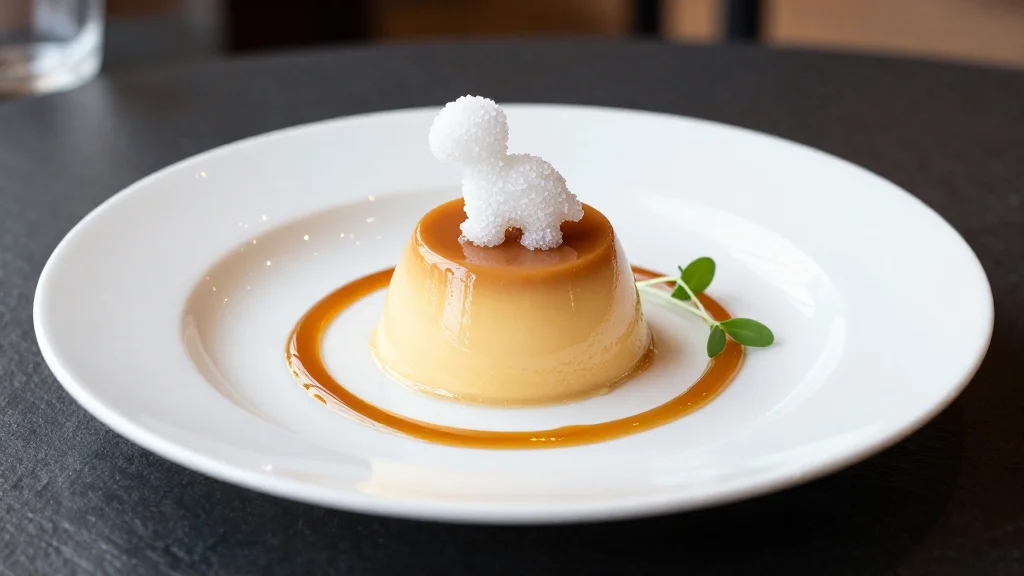
Eating This ‘Dinosaur Egg’-Garnished Dessert Will Blow Your Mind in Five Different Ways
Why It Matters
Kumbira elevates Filipino culinary heritage to a fine-dining platform, meeting growing consumer demand for authentic yet innovative ethnic experiences, and signals expanding market opportunities for heritage-focused restaurants in Australia.
Key Takeaways
- •Kumbira serves UNESCO-certified "dinosaur-egg" salt on desserts.
- •Tamarind four ways blends sweet, salty, and Filipino nostalgia.
- •Chef Jose Miguel Lontoc brings 30 years of five-star experience.
- •Menu fuses traditional dishes with Australian fine-dining techniques.
- •Average dinner for two costs about $100, highlighting premium positioning.
Pulse Analysis
Filipino food is moving from niche ethnic stalls to the forefront of global gastronomy. Driven by a growing diaspora and a renewed interest in heritage flavors, dishes once confined to family kitchens are now featured on upscale menus worldwide. UNESCO’s recent designation of Bohol’s asin tibuok—often called 'dinosaur-egg' salt—as intangible cultural heritage underscores the culinary depth that Australia's multicultural palate is eager to explore. This cultural validation fuels consumer curiosity and encourages restaurateurs to invest in authentic yet innovative Filipino concepts. Restaurants that spotlight such ingredients also benefit from media buzz and tourism interest.
Kumbira, opened in Melbourne’s Altona suburb last August, translates that momentum into a fine-dining experience. Chef Jose Miguel Lontoc, a veteran of five-star hotels across the Philippines and Australia, layers traditional ingredients—such as lechon, adobo, and longanisa—with contemporary techniques, exemplified by his 'tamarind four ways' dessert finished with freshly shaved asin tibuok. The salt’s labor-intensive production, involving months of brine evaporation, adds a mineral crunch that elevates sweet-sour tamarind profiles, turning a simple pudding into a multisensory showcase of Filipino terroir. Patrons can watch the salt-grating ritual, turning the plating into a theatrical moment.
From a business perspective, Kumbira’s premium pricing—around $100 for two diners—positions it alongside other experiential eateries targeting affluent millennials and Gen Z foodies. The restaurant’s blend of cultural storytelling and high-touch service creates a differentiated brand that can attract both diaspora patrons seeking nostalgia and adventurous locals. As Australian consumers increasingly value authenticity and narrative-driven menus, concepts like Kumbira are poised for replication in other urban markets, potentially spurring a wave of heritage-focused, upscale Asian ventures. Investors note that such niche concepts often achieve higher table turnover due to repeat visits.
Eating this ‘dinosaur egg’-garnished dessert will blow your mind in five different ways
Comments
Want to join the conversation?
Loading comments...