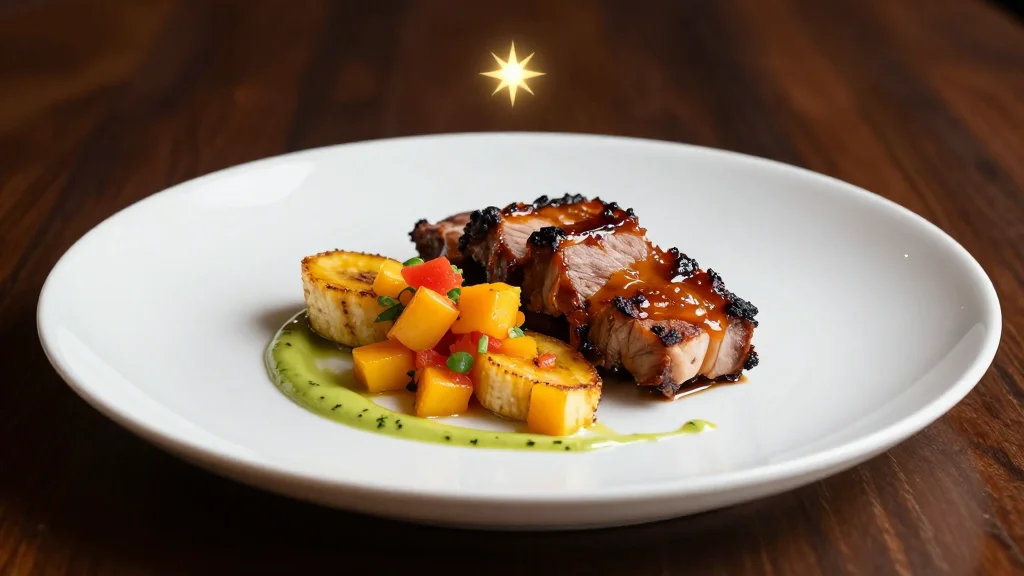
Emelina Wins West Palm Beach’s First Michelin Star, First Cuban Star Worldwide

Companies Mentioned
Why It Matters
The star awarded to Emelina does more than honor a single restaurant; it validates Cuban cuisine as a contender in the global fine‑dining arena and signals that Michelin is no longer confined to traditional culinary capitals. For Florida, the guide’s statewide coverage democratizes prestige, giving smaller markets a platform to attract affluent tourists and culinary talent. This could accelerate investment in local supply chains, elevate the profile of South‑Florida producers, and inspire a wave of innovative, regionally rooted concepts. Moreover, the recognition may influence dining preferences among travelers who now have a Michelin‑starred reason to visit West Palm Beach beyond its beaches. As the tourism board leverages the accolade in marketing campaigns, the city could see increased visitor spending, higher occupancy rates at boutique hotels, and a broader cultural cachet that benefits ancillary businesses such as wineries, farms, and artisanal producers.
Key Takeaways
- •Emelina earned West Palm Beach’s first Michelin star, the first for any Cuban restaurant worldwide.
- •The 10‑course tasting menu is priced at approximately $235 and sources most ingredients locally in South Florida.
- •Michelin expanded its Florida coverage to the entire state in 2026, now listing about 200 restaurants.
- •Only two Florida restaurants received new stars in 2026, highlighting the competitive nature of the market.
- •The star is expected to boost culinary tourism and attract further investment to the Palm Beaches region.
Pulse Analysis
Michelin’s statewide expansion marks a strategic pivot from focusing on established metropolitan hubs to embracing a more diversified culinary map. By recognizing Emelina, the guide signals that authenticity combined with innovation can thrive in smaller, niche concepts. Historically, Michelin has been criticized for favoring European‑style fine dining; this shift toward a Cuban tasting‑menu spot suggests a broader definition of excellence that values cultural storytelling and local sourcing.
For the Florida market, the ripple effect could be profound. Restaurants that previously operated under the radar may now vie for star status, prompting a surge in chef talent migration to the state. This influx could elevate the overall quality of the dining scene, but it also risks inflating labor costs and creating a competitive squeeze for already limited skilled staff. Investors are likely to monitor the performance of Emelina and similar establishments as barometers for the viability of high‑end, concept‑driven ventures in secondary markets.
Looking ahead, the key question is whether Michelin’s presence will catalyze sustainable growth or simply generate a short‑term hype cycle. If the guide continues to reward restaurants that prioritize local ecosystems and cultural authenticity, Florida could see a lasting transformation in its culinary identity, positioning the state as a premier destination for food travelers seeking both innovation and a sense of place.
Emelina Wins West Palm Beach’s First Michelin Star, First Cuban Star Worldwide
Comments
Want to join the conversation?
Loading comments...