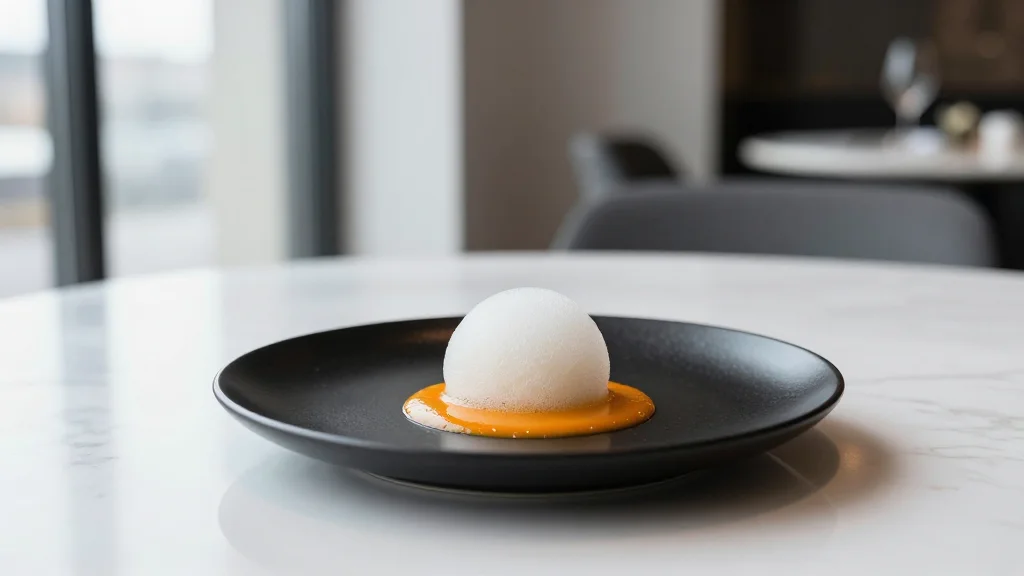
Ferran Adrià Announces Reopening of elBulli1846 After Months of Renovation

Why It Matters
The reopening of elBulli1846 marks a rare moment when a chef of Ferran Adrià’s stature re‑enters the public restaurant scene after a decade of research‑only work. It tests whether the avant‑garde, laboratory‑style approach can thrive in a market that increasingly values experiential dining. Success could validate the business model of high‑concept culinary labs, encouraging more chefs to invest in research‑driven concepts that blend gastronomy with technology. Beyond the restaurant itself, the project may catalyze regional economic activity. By sourcing ingredients locally and drawing international visitors to the Costa Brava, elBulli1846 could boost ancillary sectors such as hospitality, transport, and artisanal food production. The ripple effects could reinforce Spain’s reputation as a hub for culinary innovation, influencing culinary curricula and inspiring a new generation of chefs.
Key Takeaways
- •Ferran Adrià announced elBulli1846 will reopen within days after months of renovation.
- •The team includes long‑time collaborators and new talent like chef Mar Cruz Pineda.
- •The restaurant will continue the ‘tecno‑emocional’ philosophy that defined the original El Bulli.
- •Location: Costa Brava, Catalonia, extending the former research‑only El Bulli model to the public.
- •Opening preview events are expected in the coming weeks, with public reservations to follow.
Pulse Analysis
Adrià’s decision to bring elBulli1846 back to the public sphere reflects a strategic shift in the fine‑dining ecosystem. Historically, the most experimental kitchens have struggled to balance artistic ambition with financial sustainability. By positioning elBulli1846 as a limited‑capacity, high‑ticket‑price experience, Adrià mitigates risk while preserving the integrity of his experimental ethos. This hybrid model—part museum, part restaurant—could become a template for other legacy chefs seeking to monetize their intellectual property without diluting brand equity.
From a competitive standpoint, elBulli1846 will enter a crowded market of experiential venues, from Copenhagen’s Noma to Tokyo’s Sublimotion. However, Adrià’s unparalleled brand cachet and his track record of redefining culinary language give him a distinct advantage. The key challenge will be translating the intangible, research‑driven concepts into a repeatable dining experience that satisfies both critics and paying guests. If successful, the venture could spur investment in culinary R&D, encouraging venture capital to fund food‑tech labs that blend gastronomy with biotech, AI, and sustainability.
Looking ahead, the restaurant’s impact will be measured not only by reviews but by its ability to inspire a new wave of culinary entrepreneurship. Should elBulli1846 prove profitable, it may embolden other closed‑door icons—think Thomas Keller’s The French Laundry or Massimo Bottura’s Osteria Francescana—to explore similar public‑facing extensions. In a post‑pandemic world where diners crave narrative and novelty, Adrià’s move could reshape the economics of haute cuisine for the next decade.
Ferran Adrià Announces Reopening of elBulli1846 After Months of Renovation
Comments
Want to join the conversation?
Loading comments...