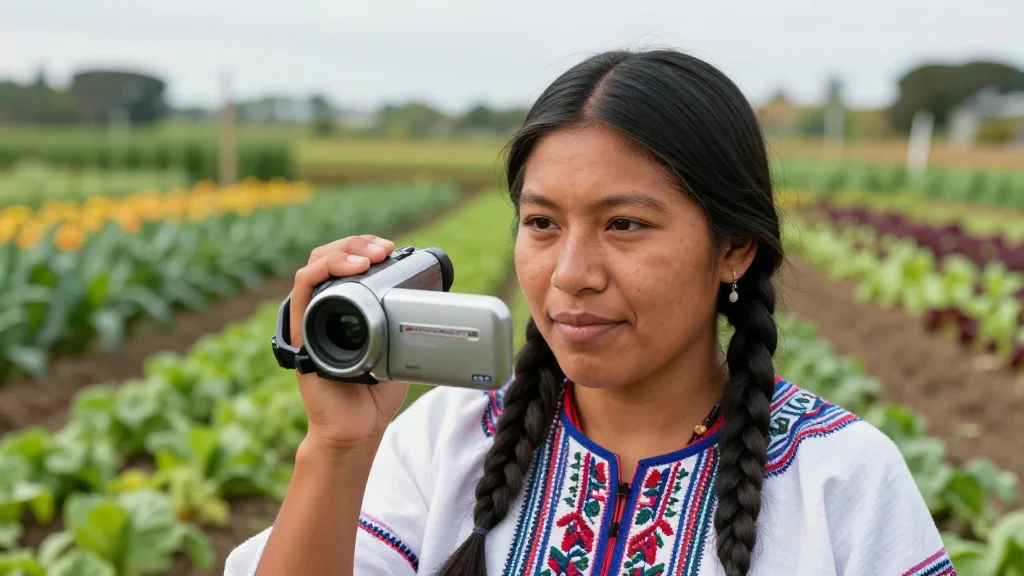
Field to Film Festival Amplifies Indigenous and Rural Youth Voices
Why It Matters
Centering youth, especially women, in agricultural storytelling drives inclusive policy and accelerates agroecology adoption, addressing systemic inequities in global food systems.
Key Takeaways
- •Festival showcases 500 youth filmmakers from 11 countries.
- •Focus on women farmers aligns with UN 2026 initiative.
- •Over 50 short films highlight agroecology solutions.
- •Youth receive equipment, training, full creative control.
- •Rural youth perspectives address food system inequities.
Pulse Analysis
The Field to Film Festival illustrates how grassroots storytelling can reshape narratives around agriculture. By equipping young farmers with cameras and mentorship, Groundswell International turns everyday fieldwork into compelling visual evidence of agroecology’s benefits. This approach not only democratizes media production but also creates a repository of localized case studies that policymakers and NGOs can reference when designing climate‑smart interventions.
In 2026, the festival’s spotlight on women farmers dovetails with the UN International Year of the Woman Farmer, underscoring gender disparities highlighted by the FAO. Young female filmmakers such as Justine Natama and Melissa López use their lenses to reveal the double burden of labor and limited resource access faced by women in low‑income agrifood systems. Their stories provide concrete examples of how empowering women can unlock productivity gains, improve nutrition, and strengthen community resilience.
Beyond advocacy, the festival’s growing network—now spanning eleven countries and nearly 500 participants—offers a scalable model for youth engagement in food system transformation. The short films serve as educational tools, showcasing practices like kitchen gardens, small‑scale livestock, and botanical pest control that can be replicated across similar contexts. As these narratives reach global audiences, they build momentum for policy reforms that prioritize youth agency, equitable resource distribution, and sustainable farming practices, ultimately contributing to a more resilient and inclusive food future.
Field to Film Festival Amplifies Indigenous and Rural Youth Voices
Comments
Want to join the conversation?
Loading comments...