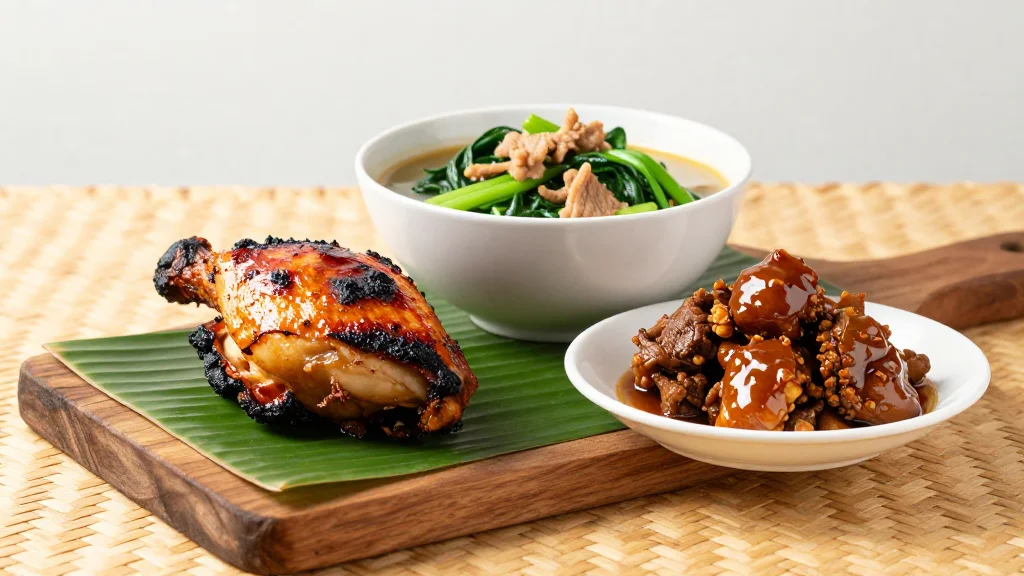
Filipino Classics Inasal, Sinigang and Adobo Rank on TasteAtlas World’s Best Dishes List

Why It Matters
The inclusion of inasal, sinigang and adobo on a respected global ranking validates Filipino cuisine as a competitive player in the international food arena. It signals to investors, tourists and culinary professionals that the Philippines offers distinct, marketable flavors that can attract diners worldwide. Moreover, the recognition can stimulate demand for local ingredients, supporting agricultural communities and encouraging the growth of food‑related enterprises. Beyond economics, the accolades reinforce cultural pride and provide a platform for diaspora communities to share their heritage. As Filipino dishes gain prominence, they can influence global dining trends, encouraging restaurants abroad to feature authentic preparations and inspiring chefs to experiment with regional twists.
Key Takeaways
- •Chicken inasal ranked No. 40 globally and No. 1 among Southeast Asian chicken dishes.
- •Pork sinigang placed at No. 52 on TasteAtlas’ world list.
- •Adobong manok secured No. 7 in the regional chicken category.
- •Tourism Secretary Dita Angara‑Mathay highlighted cuisine as a driver of cultural tourism.
- •Max’s Restaurant cited as an iconic source for pork sinigang.
Pulse Analysis
TasteAtlas’ endorsement arrives at a pivotal moment for the Philippines, which has been actively courting food tourists through campaigns like ‘Taste the Philippines.’ The rankings provide a data‑driven narrative that can be leveraged in marketing decks, grant applications and export negotiations. Historically, culinary recognition has propelled nations such as Thailand and Mexico into sustained tourism growth; the Philippines now has a comparable catalyst.
However, translating accolades into tangible economic benefits will require coordinated effort. Supply chains for key ingredients must scale without compromising authenticity, and small‑holder farmers need access to financing and training to meet increased demand. Additionally, the industry must guard against over‑commercialization that could dilute traditional recipes. If policymakers and entrepreneurs can balance preservation with innovation, the three dishes could become enduring export brands, much like Japanese sushi or Italian pizza.
In the longer term, the success of inasal, sinigang and adobo may inspire a broader reevaluation of Filipino regional specialties, encouraging the inclusion of lesser‑known dishes on future global lists. This could diversify the country’s culinary export portfolio and cement its reputation as a source of rich, varied flavors on the world stage.
Filipino Classics Inasal, Sinigang and Adobo Rank on TasteAtlas World’s Best Dishes List
Comments
Want to join the conversation?
Loading comments...