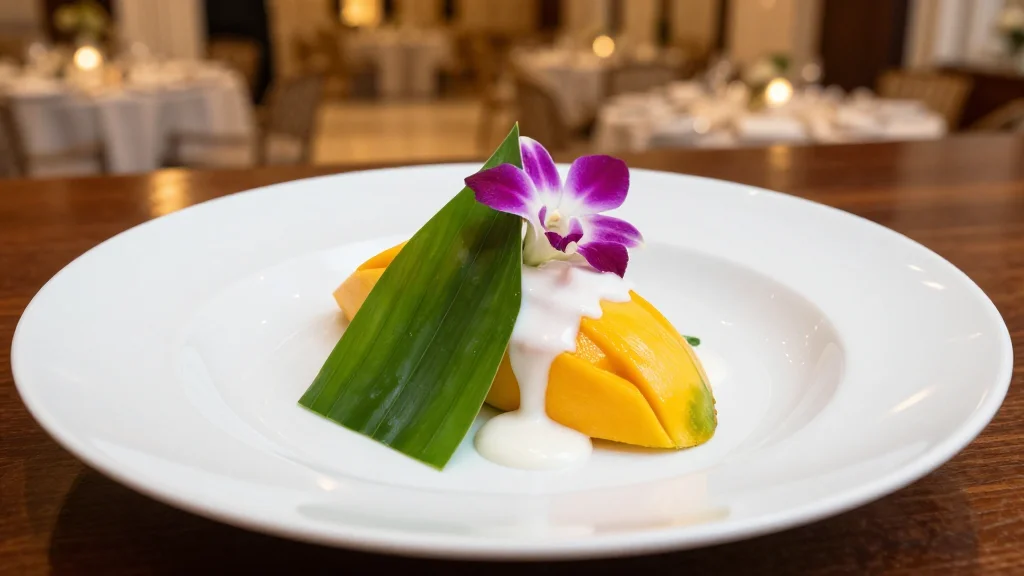
Filipino Fine Dining Takes Center Stage at ASEAN Summit in Cebu

Why It Matters
The banquet illustrates how culinary diplomacy can amplify a nation’s cultural brand, potentially driving tourism and export demand for Philippine ingredients. By presenting a sophisticated, ingredient‑driven menu, the Philippines signals its readiness to compete in the global fine‑dining arena, encouraging foreign chefs and investors to explore local produce. Moreover, the event aligns with ASEAN’s broader agenda of cultural exchange and regional integration. Showcasing Filipino cuisine at the highest diplomatic level may inspire collaborative food‑tech projects, joint culinary festivals, and cross‑border supply‑chain initiatives that benefit farmers and producers across Southeast Asia.
Key Takeaways
- •Chefs Marco and Kate Dychangco-Anzani designed a seven‑course Filipino menu for ASEAN leaders on May 8, 2026, in Cebu.
- •Menu highlighted indigenous ingredients such as adlai, pili nuts, and Bukidnon Kitayama beef.
- •Chefs described the menu as balancing “masculine and feminine,” “Filipino purist and modern contemporary.”
- •Summit organizers called the banquet a “culinary journey of the Philippines,” using food as diplomatic soft power.
- •The event aims to boost Philippine culinary tourism and position the country among ASEAN’s top food destinations.
Pulse Analysis
The Cebu banquet marks a turning point in how the Philippines leverages gastronomy for diplomatic gain. Historically, Southeast Asian state banquets have favored familiar, pan‑Asian dishes that avoid controversy. By foregrounding uniquely Filipino ingredients and techniques, the Dychangcos challenged that norm, turning the meal into a narrative of national identity. This approach mirrors a global trend where nations use haute cuisine to project soft power—think Japan’s sushi diplomacy or South Korea’s K‑food push.
Economically, the showcase could catalyze a ripple effect across the agricultural supply chain. Small‑holder farmers in the Cordilleras, Bukidnon and Bohol now have a high‑profile platform that may attract export contracts and premium pricing. If the momentum translates into increased demand for adlai, pili nuts and other native crops, the Philippines could diversify its agricultural exports beyond traditional staples like rice and coconut oil.
Looking ahead, the success of this diplomatic feast may inspire other ASEAN hosts to adopt similar culinary strategies, potentially sparking a regional competition for the most innovative state menu. Such a race could elevate Southeast Asian food culture on the world stage, encouraging investment in food‑tech, sustainability and culinary education. For the Philippines, the key will be to sustain this momentum through consistent quality, strategic marketing, and policies that support the farmers and artisans behind the dishes.
Filipino Fine Dining Takes Center Stage at ASEAN Summit in Cebu
Comments
Want to join the conversation?
Loading comments...