Why It Matters
Restoring tribal control over food systems tackles chronic health disparities and revitalizes cultural economies, positioning Indigenous foods as a cornerstone of U.S. food security.
Key Takeaways
- •USDA LFPA gave tribes direct control over local food funding
- •Buffalo processing trailers enable culturally respectful, on‑site meat harvesting
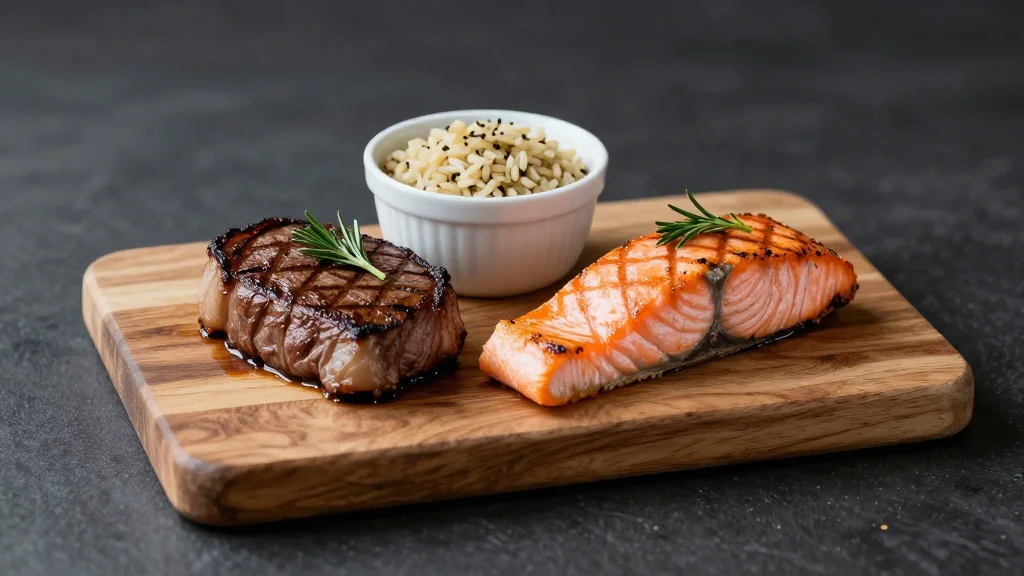
- •FDPIR now includes native foods like bison, wild rice, salmon
- •School lunch budgets limit Indigenous food adoption in tribal schools
- •WWF partnership expands conservation with tribal buffalo initiatives
Pulse Analysis
The push for Indigenous food sovereignty is reshaping federal nutrition policy after decades of marginalization. By redirecting American Rescue Plan funds through the Local Food Purchase Assistance (LFPA) program, tribes now receive cash grants they can spend on locally sourced foods within a 400‑mile radius. This model not only bolsters regional producers but also restores cultural diets that are nutritionally aligned with Native physiology, reducing reliance on processed commodities that have driven diabetes and obesity rates in Indian Country.
A critical breakthrough came with the USDA’s new meat‑processing grants, which funded mobile refrigeration trailers capable of field‑dressing buffalo, elk and other native species. These units respect tribal values—allowing animals to be harvested on the prairie without stressful transport—while meeting modern food‑safety standards. The relatively modest $100,000 price tag per trailer makes the technology scalable, creating a viable supply chain for tribal ranchers and opening pathways for bison meat to enter school cafeterias and local markets.
Despite these advances, systemic challenges persist. School lunch programs in tribal districts operate on a per‑child allotment of just over $4, forcing administrators to choose low‑cost, ultra‑processed options over healthier Indigenous foods. Advocacy groups argue that sustained federal investment and policy tweaks—such as clarifying inspection exemptions for native meats—are essential to embed culturally appropriate foods in daily meals. As the USDA continues to integrate tribal expertise into its agencies, the momentum generated by leaders like Thompson could redefine the nation’s food landscape, making Indigenous foods a mainstream component of American nutrition and conservation strategies.
Finding ‘Big Wins’ for Indigenous Food Systems
Comments
Want to join the conversation?
Loading comments...