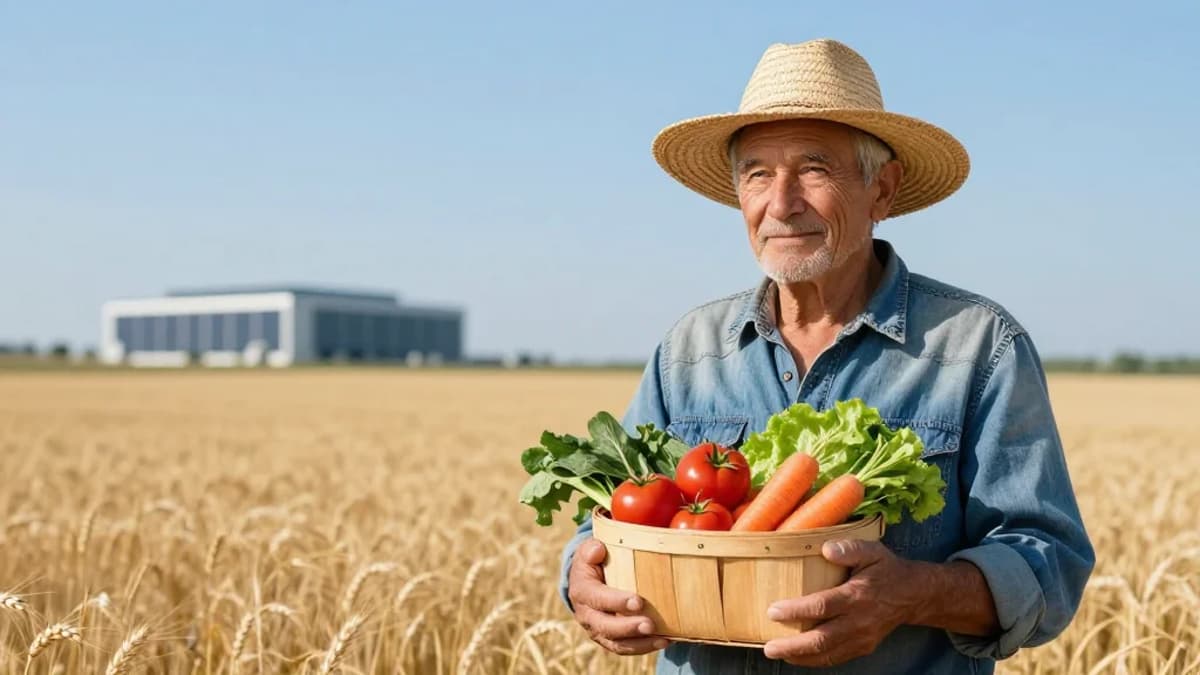
Food Tank’s Weekly News Roundup: The Next Farm Bill, Producers Stand Their Ground, and the Latest Progress on Deforestation
•March 1, 2026
0
Why It Matters
These developments shape food‑security policy, land‑use dynamics, and climate‑impact mitigation, influencing both domestic agriculture and global sustainability agendas.
Key Takeaways
- •Farm Bill draft omits SNAP cut relief
- •Over 100 hunger groups demand Rural Seniors Act
- •Farmers reject multi‑million dollar AI data‑center offers
- •Brazil's deforestation hits lowest 2014‑level period
- •Food Date Labeling Act gains backing from 30+ brands
Pulse Analysis
The pending farm bill markup underscores a growing rift between policymakers and anti‑hunger advocates. While the draft includes modest boosts for 1890 land‑grant universities, it sidesteps critical SNAP restoration and leaves USDA staffing stagnant, jeopardizing access to vital nutrition programs for seniors and low‑income families. Stakeholders fear that without legislative safeguards, the federal safety net could erode further, amplifying food insecurity across rural America.
Concurrently, the surge in AI‑driven data‑center construction is colliding with traditional agriculture. Real‑estate analyses project a need for 40,000 acres over five years—double current usage—yet many producers, from Kentucky to Wisconsin, are refusing offers that top $80 million. Their resistance highlights a cultural attachment to land and a wariness of eminent‑domain threats, while the overall farm count continues to shrink by 15,000 units. This tension signals a pivotal moment for rural economies, balancing high‑tech infrastructure demands against the preservation of agricultural heritage.
On the environmental front, Brazil’s latest satellite data shows deforestation at its lowest seasonal level since 2014, driven by coordinated municipal initiatives and the Amazon Fund’s enforcement resources. The trend offers a template for other nations seeking to curb forest loss. In the United States, the Food Date Labeling Act—backed by industry giants like Walmart and Unilever—aims to standardize date labels, potentially slashing the $22 billion annual waste cost and reducing antimicrobial‑resistance risks linked to food waste. Together, these policy moves illustrate how targeted legislation can simultaneously address climate, health, and economic challenges in the food system.
Food Tank’s Weekly News Roundup: The Next Farm Bill, Producers Stand Their Ground, and the Latest Progress on Deforestation
0
Comments
Want to join the conversation?
Loading comments...