Why It Matters
Understanding noodle‑sauce dynamics helps home cooks and restaurants elevate a classic dish, driving repeat orders and encouraging menu innovation. It also reflects broader consumer demand for simple, adaptable recipes that feel fresh.
Key Takeaways
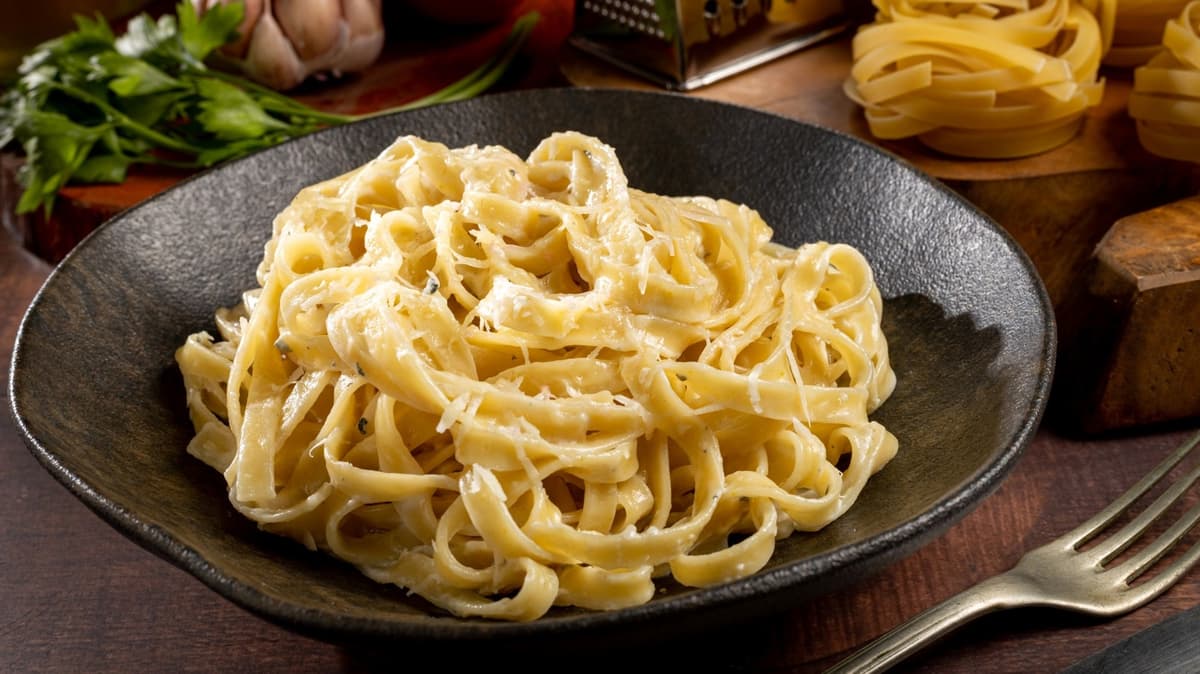
- •Fettuccine's flat ribbons cling best to creamy Alfredo sauce.
- •Tagliatelle offers similar texture, slightly narrower than fettuccine.
- •Pappardelle's wide ribbons deliver ultra‑luxurious sauce coverage.
- •Tube pastas like penne trap sauce inside and out.
- •Stuffed pastas let Alfredo highlight fillings without overpowering flavors.
Pulse Analysis
The rise of at‑home cooking has turned classic Italian staples into experimental playgrounds. Alfredo, with its buttery cream base, is especially forgiving, allowing cooks to swap the traditional fettuccine for shapes that change mouthfeel without compromising flavor. Ribbon pastas like tagliatelle and pappardelle maintain the sauce’s cling factor, while wider strands deliver a richer, more indulgent bite. For those seeking variety, tube‑shaped penne or rigatoni capture sauce in their hollows, creating bursts of creaminess that keep each forkful cohesive.
Restaurants are taking note of these noodle nuances, using them to differentiate menu items and manage ingredient costs. Wider ribbons such as pappardelle command a premium price point, appealing to diners willing to pay for a luxurious experience, whereas spaghetti or penne can be sourced more economically for high‑volume dishes. By rotating pasta shapes seasonally, chefs can refresh the same Alfredo concept, extending its shelf life on menus and encouraging repeat patronage. Supply chains benefit from the flexibility, as manufacturers can shift production between shapes based on demand spikes without disrupting overall inventory.
For the everyday cook, the choice of pasta influences not only texture but also nutritional profile. Whole‑grain or legume‑based versions of the recommended shapes add fiber and protein, aligning with health‑conscious trends while preserving the sauce’s velvety coating. Baking the pasta, as suggested, allows any shape to absorb excess cream, reducing waste and enhancing flavor depth. As consumers continue to seek quick, comforting meals with a twist, mastering these noodle swaps will keep Alfredo relevant in both home kitchens and commercial eateries.
Give Alfredo Pasta A Twist With These Easy Noodle Swaps
Comments
Want to join the conversation?
Loading comments...