Why It Matters
The launch shows legacy hospitality brands using nostalgic, experience‑driven concepts to attract affluent urban diners, highlighting a shift toward themed, destination‑style restaurants in a crowded market. It also illustrates the power of brand extension from gambling hubs to culinary destinations.
Key Takeaways
- •Golden Steer brings 68‑year Vegas legacy to Manhattan
- •Theme includes mob room, slot machines, oversized baked potato
- •Menu focuses on classic cuts, limited avant‑garde options
- •Theatrical service adds entertainment to traditional steakhouse experience
- •Highlights rise of experience‑driven dining in competitive market
Pulse Analysis
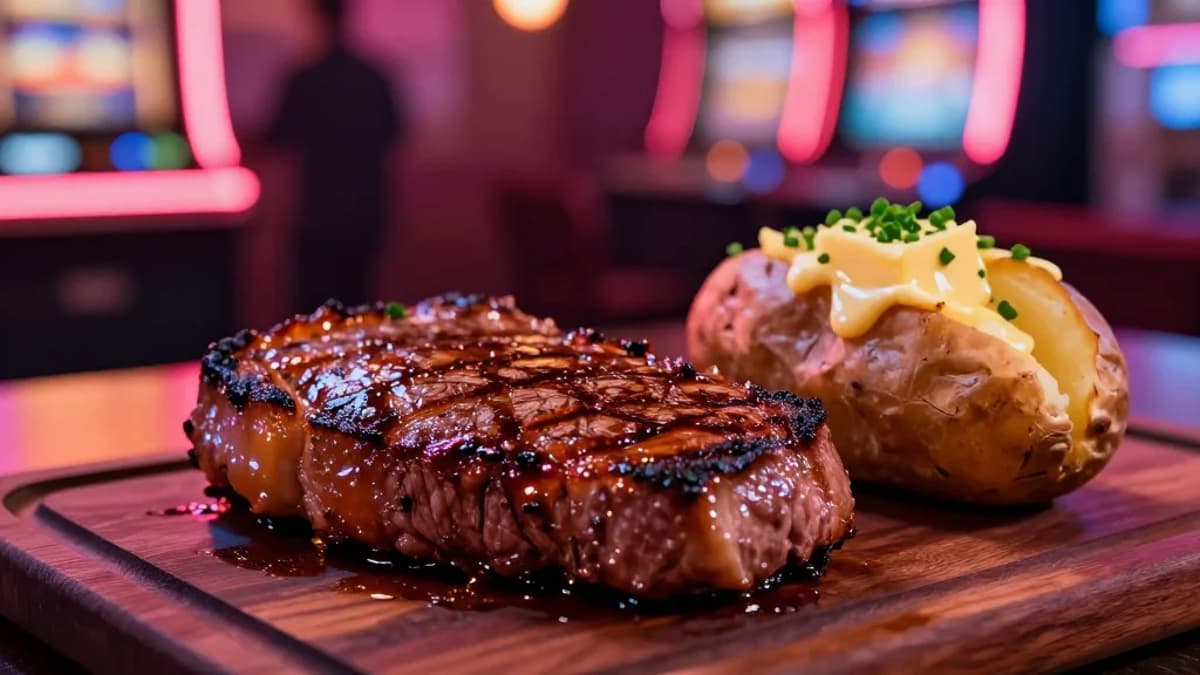
The rise of experiential dining has turned restaurants into attractions, and Golden Steer exemplifies this shift. By transplanting a 68‑year‑old Las Vegas institution to New York City, the steakhouse leverages nostalgia for mid‑century mob culture, slot‑machine aesthetics, and oversized comfort foods. This brand migration taps into a growing consumer appetite for immersive environments that blend food with theater, positioning the venue as a destination beyond a simple meal.
Golden Steer’s menu leans heavily on classic American steakhouse staples—filet, rib eye, prime rib, and a signature shorthorn—while offering oversized sides like the city’s “largest baked potato.” The culinary focus remains traditional, but the service model adds flair: tableside carts, flambéed desserts, and a dedicated “Mob Room” for private events. In a market saturated with avant‑garde cuts and global fusion concepts, the restaurant’s straightforward offering appeals to diners seeking familiar flavors paired with a memorable setting.
For the industry, Golden Steer’s New York debut signals that legacy hospitality brands can successfully extend beyond their original locales by packaging heritage with modern theatricality. The concept may inspire other gambling‑city establishments to explore culinary outposts, driving tourism and cross‑city brand recognition. As urban diners prioritize experience as much as taste, restaurants that blend storytelling with solid food are poised to capture higher ticket averages and foster repeat business.
Golden Steer’s Mob Mentality
0
Comments
Want to join the conversation?
Loading comments...