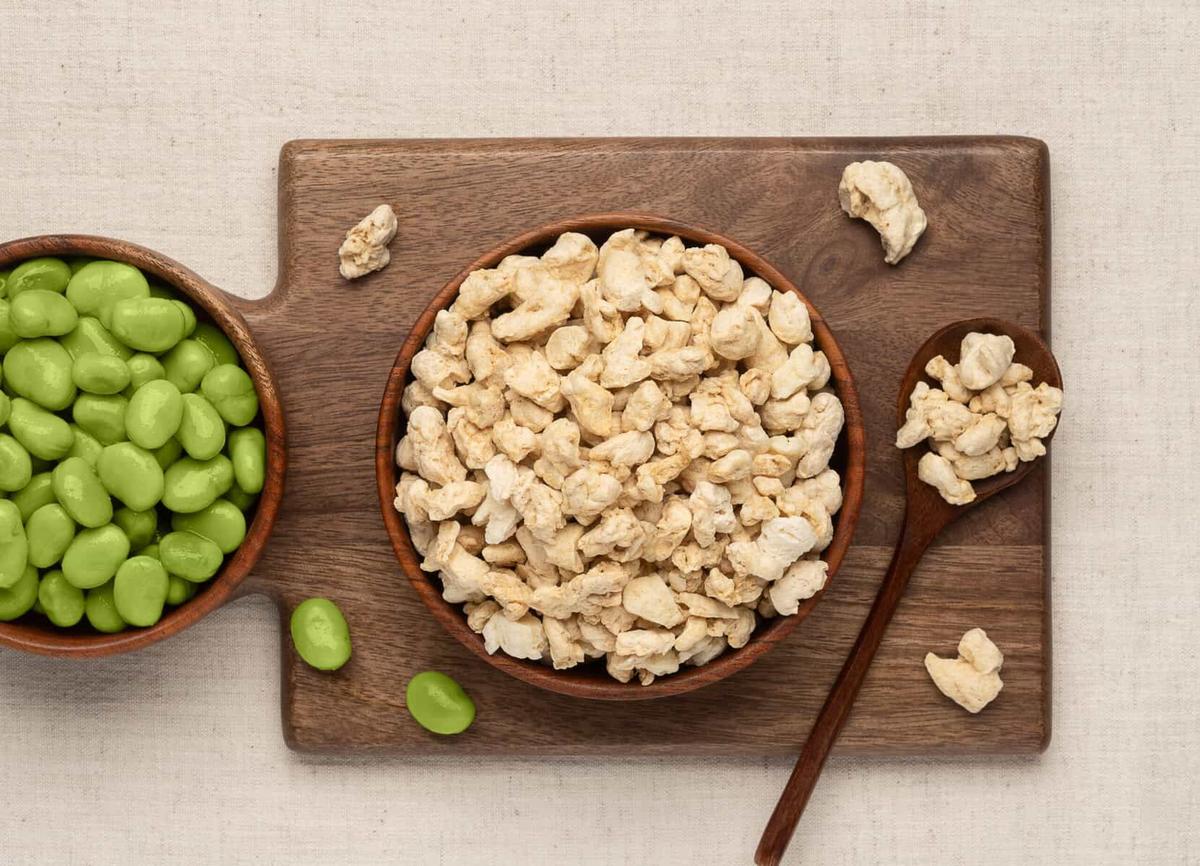
Happy Plant Protein Outlines New Value Creation Strategy for Mills and Agricultural Co-Ops
•February 26, 2026
0
Why It Matters
The solution creates profitable new revenue streams for traditional grain processors while bolstering local protein self‑sufficiency amid volatile import markets.
Key Takeaways
- •Dry extrusion turns flour into high‑value protein
- •Value can increase up to sevenfold locally
- •Mills avoid costly isolation facilities
- •Process cuts water, energy, and chemicals
- •Boosts regional supply chain resilience
Pulse Analysis
The plant‑based market is entering a phase where scale and sustainability intersect. While consumer demand for meat alternatives continues to rise, many producers still rely on imported protein isolates that carry high carbon footprints and price volatility. Happy Plant Protein’s dry‑extrusion technology addresses this gap by enabling regional conversion of staple legumes into functional TVP, offering manufacturers a locally sourced, neutral‑taste ingredient that meets texture expectations without the environmental toll of traditional wet fractionation.
For grain mills and agricultural cooperatives, the technology represents a strategic pivot from commodity processing to premium ingredient manufacturing. By leveraging existing flour‑handling infrastructure, operators can sidestep the multi‑million‑dollar capital outlay required for solvent‑based extraction facilities. The claimed seven‑times increase in ingredient value translates into higher margins on the same raw material, while the simplified, single‑step process reduces operational complexity and labor costs. Moreover, the lower water and energy consumption aligns with ESG goals, making the upgrade attractive to investors focused on sustainability.
Geopolitical uncertainty and fluctuating trade policies have amplified the need for domestic protein sources. Happy Plant Protein’s model not only mitigates import risk but also strengthens regional food security, a priority for policymakers across Europe. As the company seeks collaborations with mills, co‑ops, and food manufacturers, the rollout could catalyze a broader shift toward decentralized protein production, reshaping supply chains and creating a more resilient, locally anchored plant‑based ecosystem.
Happy Plant Protein Outlines New Value Creation Strategy for Mills and Agricultural Co-Ops
0
Comments
Want to join the conversation?
Loading comments...