High-Fibre Recipe Ideas From Hugh Fearnley-Whittingstall
Why It Matters
With over 90 % of adults not meeting daily fibre recommendations, accessible recipes can improve public health and reduce diet‑related disease risk. The cookbook also illustrates a growing consumer demand for simple, plant‑based meals that support wellness without premium pricing.
Key Takeaways
- •Book "High Fibre Heroes" offers 12 plant‑based recipes boosting fiber
- •Spinach pasta provides 11 g fiber per serving, ready in 40 min
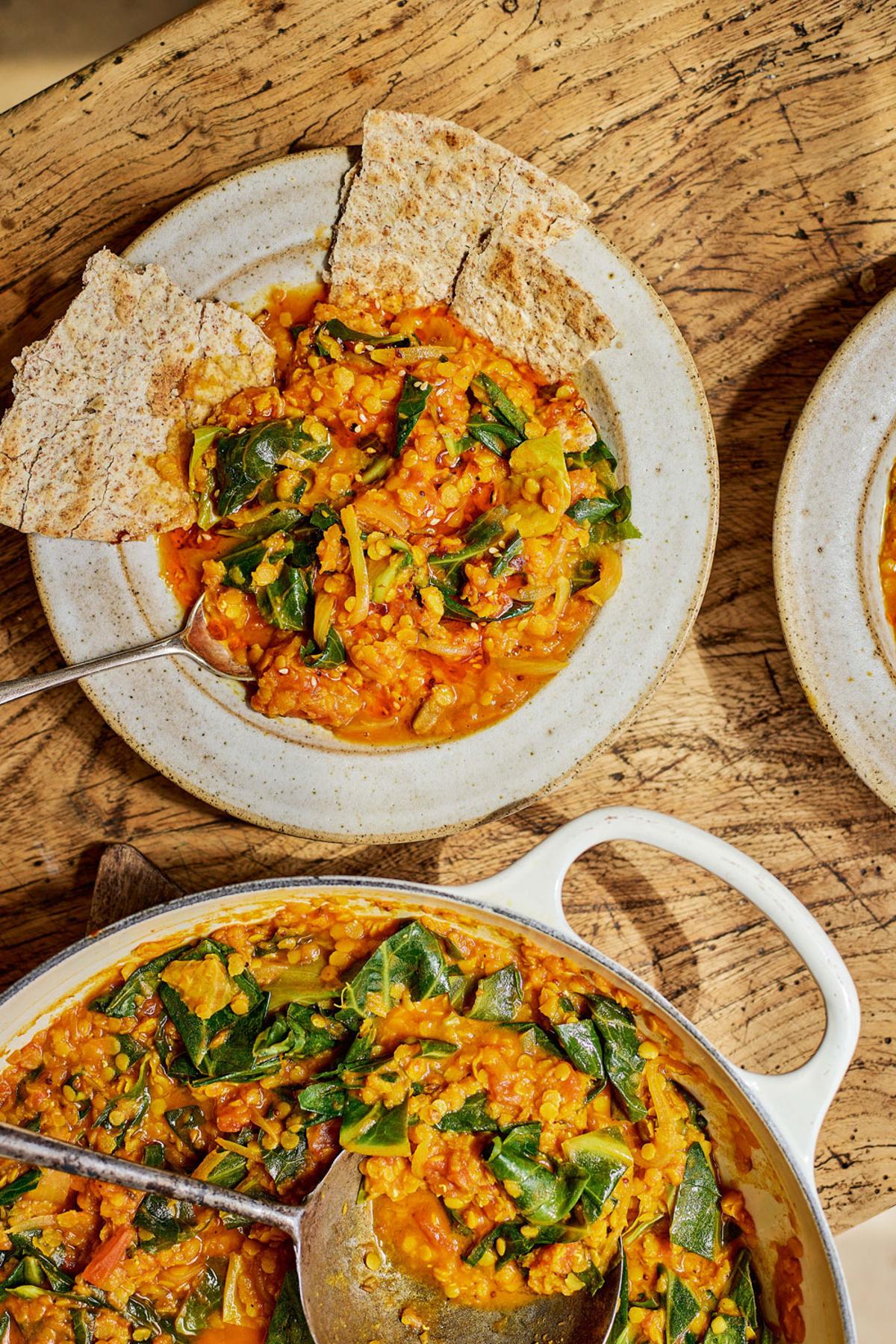
- •Tomato dhal delivers 9 g fiber and features 12 different plants
- •Fried rice with peas gives 7 g fiber for two servings
- •Recipes use inexpensive, readily available vegetables to meet fibre goals
Pulse Analysis
Fiber deficiency is a silent epidemic in the United States, with most adults falling short of the recommended 25‑30 grams per day. Nutritionists attribute the gap to processed‑food reliance and a lack of practical guidance for incorporating whole‑plant foods at home. Hugh Fearnley‑Whittingstall’s *High Fibre Heroes* directly addresses this by curating recipes that combine staple vegetables—spinach, peas, carrots, lentils—with familiar cooking techniques, making the transition to a higher‑fiber diet less intimidating for busy households.
Beyond health, the cookbook taps into a broader market trend: affordable, plant‑centric cooking solutions. While many premium health cookbooks command prices above $50, *High Fibre Heroes* is priced at roughly $33, positioning it competitively for budget‑conscious consumers. The inclusion of clear plant counts and fiber metrics empowers readers to track nutritional intake without complex calculations, a feature that resonates with the growing DIY wellness community and aligns with the rise of data‑driven eating habits.
The three highlighted recipes illustrate the book’s versatility. The spinach, chilli and lemon pasta delivers 11 grams of fiber in a 40‑minute meal, suitable for weeknight dinners. Tomato dhal, enriched with lentils and leafy greens, offers 9 grams of fiber and a comforting, one‑pot preparation. Finally, the pea‑laden fried rice provides 7 grams of fiber for two servings, showcasing how leftovers can be transformed into nutrient‑dense dishes. Collectively, these meals demonstrate that boosting daily fiber intake can be both tasty and time‑efficient, reinforcing the cookbook’s promise to make healthier eating achievable for the average American household.
High-Fibre Recipe Ideas From Hugh Fearnley-Whittingstall
Comments
Want to join the conversation?
Loading comments...