Why It Matters
The recipe highlights the growing consumer appetite for Asian‑inspired condiments, signaling market opportunities for sauce manufacturers and retailers as U.S. grill culture embraces global flavors.
Key Takeaways
- •Hoisin sauce blends sweet, salty, umami for versatile grilling
- •Recipe uses pantry staples, ready in 10 minutes
- •Sake adds tenderizing alcohol; can substitute dry sherry
- •Sauce stores up to two days refrigerated
- •Asian-inspired sauces gaining traction in U.S. condiment market
Pulse Analysis
Asian flavors have moved from niche ethnic eateries into mainstream American backyard grilling, and hoisin sauce is at the forefront of that shift. Traditionally a staple in Chinese dishes like Peking duck, hoisin offers a thick, sweet‑savory profile that mirrors classic barbecue sauces while adding depth from fermented soybeans, five‑spice and garlic. Industry analysts note that U.S. condiment sales have seen a double‑digit rise in Asian‑style sauces over the past three years, driven by consumers seeking bold, umami‑rich taste experiences without complex cooking techniques.
Home cooks are capitalizing on that trend by turning pantry basics into restaurant‑quality sauces. Raichlen’s recipe demonstrates how a handful of ingredients—hoisin, soy, sake or dry sherry, ketchup and rice vinegar—can be combined in under ten minutes, delivering a glossy, flavor‑packed glaze for ribs, chicken or tofu. The inclusion of sake, a low‑sugar rice wine with 15‑20% alcohol, not only tenderizes meat but also appeals to the growing segment that values culinary authenticity. Retailers report increased sales of ready‑to‑use hoisin and Japanese rice wines, confirming that convenience and flavor innovation are key purchase drivers.
Looking ahead, the convergence of Asian condiments and American grilling is likely to spur new product development. Manufacturers are experimenting with reduced‑sugar hoisin blends, plant‑based variants, and hybrid sauces that combine smoky chipotle with traditional Chinese aromatics. Supermarket shelves are responding with dedicated Asian‑inspired sauce aisles, while online platforms offer subscription kits for home‑cooking enthusiasts. As consumers continue to prioritize flavor diversity and ease of preparation, the hoisin barbecue sauce model exemplifies a scalable opportunity for brands to capture market share in the evolving U.S. condiment landscape.
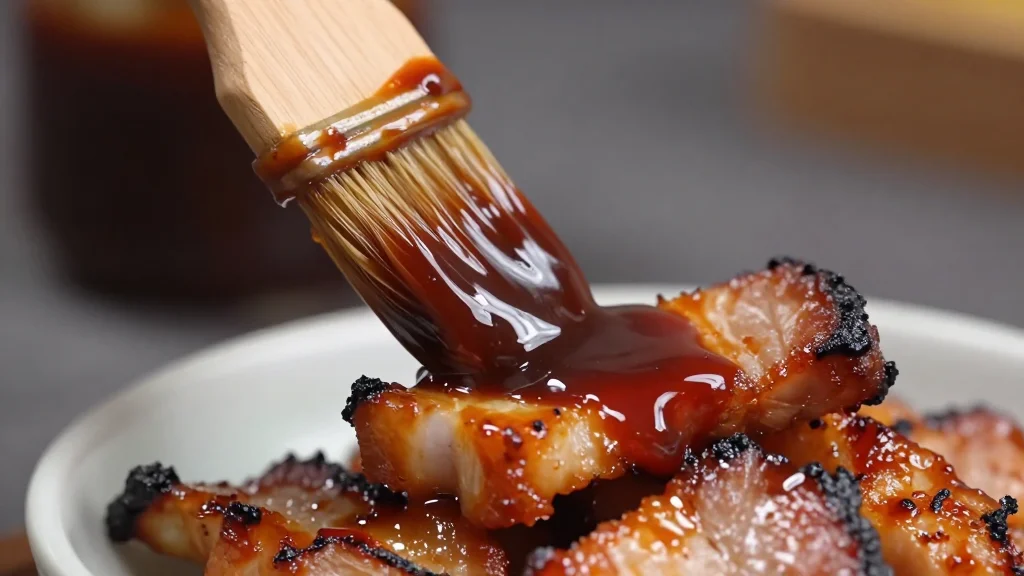
Hoisin Barbecue Sauce
Comments
Want to join the conversation?
Loading comments...