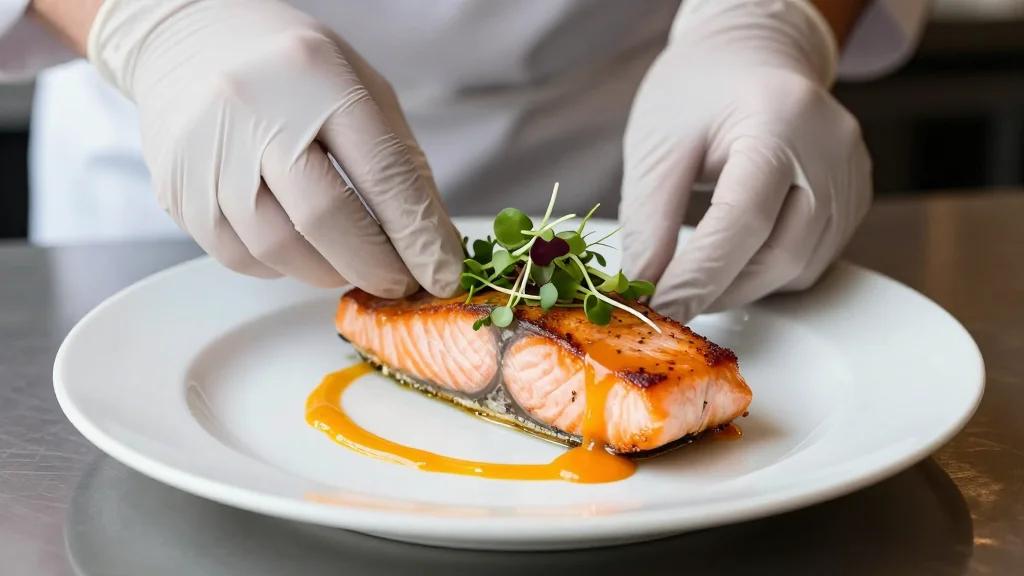
Houston’s 11 Top Chefs Compete for CultureMap Chef of the Year on April 16

Companies Mentioned
Why It Matters
The CultureMap Tastemaker Awards serve as a barometer for Houston’s evolving food ecosystem. By gathering chefs with Michelin, James Beard and television credentials, the event validates the city’s capacity to nurture world‑class talent. Moreover, the partnership with the Southern Smoke Foundation illustrates how the culinary sector is leveraging its influence to address social issues, from food insecurity to workforce development. For restaurateurs and investors, the awards provide a snapshot of emerging trends—such as the fusion of high‑end techniques with local ingredients and the growing emphasis on mentorship. The visibility gained by nominees can translate into increased reservations, media coverage, and potential expansion opportunities, reinforcing Houston’s attractiveness as a culinary investment hub.
Key Takeaways
- •Eleven chefs nominated for CultureMap Chef of the Year on April 16 at Silver Street Studios
- •Nominees include Michelin‑starred and James Beard‑honored chefs, plus *Top Chef* alumni
- •Event sponsored by Maker's Mark, Culinary Khancepts, Herradura Tequila and others
- •Portion of proceeds will benefit the Southern Smoke Foundation nonprofit
- •Awards highlight Houston’s rise as a national culinary destination
Pulse Analysis
Houston’s food scene has long been characterized by a robust, multicultural tapestry, but it has rarely been packaged into a single, high‑visibility awards ceremony. The CultureMap Tastemaker Awards consolidate disparate accolades—Michelin, James Beard, television fame—into a unified narrative that positions the city alongside culinary capitals like New York and San Francisco. This consolidation is strategic: it creates a focal point for media coverage, investor interest, and consumer curiosity.
Historically, cities that develop a flagship culinary event often see a ripple effect. For example, the rise of the James Beard Awards in New York spurred a wave of restaurant openings and culinary tourism. Houston’s event could catalyze similar dynamics, encouraging chefs to experiment with hyper‑local sourcing, sustainability practices, and cross‑cultural menus to stand out in future competitions. The involvement of sponsors from the spirits and non‑alcoholic beverage sectors also hints at a broader commercial ecosystem eager to tap into the city’s growing foodie market.
Looking ahead, the real test will be whether the momentum generated by the awards translates into lasting economic impact. If the winning chef leverages the title to expand into new concepts or attract national investors, it could set a precedent for future cohorts. Conversely, if the buzz dissipates after the ceremony, it may suggest that Houston still needs a more sustained platform—perhaps a dedicated culinary festival or a permanent awards body—to cement its status. Either way, the Tastemaker Awards have placed Houston’s chefs in the national spotlight, and the industry will be watching closely to see how that spotlight reshapes the city’s gastronomic trajectory.
Houston’s 11 Top Chefs Compete for CultureMap Chef of the Year on April 16
Comments
Want to join the conversation?
Loading comments...