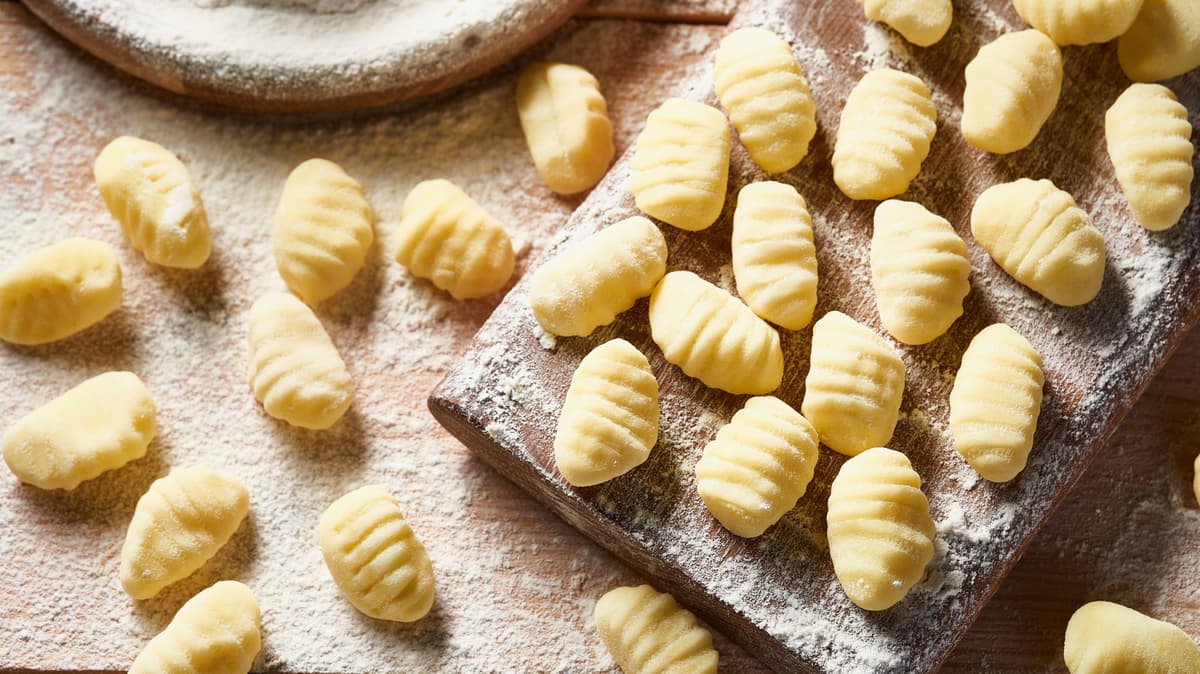
How 14th Century Italians Made Gnocchi Without Potatoes (Cheese Lovers Listen Up)
Why It Matters
Understanding gnocchi’s cheese‑based origins reveals how staple dishes adapt to ingredient availability, offering chefs a heritage framework for innovative, region‑specific recipes.
Key Takeaways
- •14th‑century gnocchi used fresh cheese, not potatoes
- •Recipe mixed cheese, egg yolks, and flour into soft dough
- •Dough was spooned into water, no fork ridges
- •Fresh‑cheese base yields fragile, irregular dumplings
- •Modern ricotta gnocchi descends from this historic version
Pulse Analysis
The story of gnocchi begins well before the humble potato arrived in Europe in the late 1500s. Medieval Italian cookbooks record a simple cheese dumpling made from locally abundant fresh ricotta or goat cheese, combined with egg yolks and a modest amount of flour. This early version was shaped by spooning the pliable mixture directly into boiling water, a technique that emphasized speed and resourcefulness over uniform appearance. By tracing these recipes, food historians can map the diffusion of New World crops and their transformative impact on European cuisine.
From a technical standpoint, substituting cheese for potato fundamentally alters the dough’s structure. Cheese introduces higher moisture and fat content, producing a fragile, slightly sticky mass that resists the traditional ridging with a fork. The resulting gnocchi are irregular and tend to float as soon as they are cooked, offering a softer bite compared with the denser, potato‑based counterpart that relies on 00 flour for elasticity. This textural distinction also influences sauce pairing; cheese gnocchi pairs naturally with butter‑sage or light tomato sauces that complement rather than overwhelm its delicate flavor. Comparisons to malfatti—rustic spinach and hard‑cheese dumplings—highlight a broader Italian tradition of embracing imperfect shapes in favor of taste.
Today, chefs and home cooks are revisiting these heritage recipes, driven by a consumer appetite for authentic, story‑rich foods. Ricotta gnocchi, the most direct modern descendant, appears on menus alongside experimental cauliflower and pumpkin versions, underscoring the dish’s adaptability. By acknowledging its cheese‑based roots, culinary professionals can innovate responsibly, blending historic techniques with contemporary ingredients while preserving the cultural narrative that makes gnocchi more than just a comfort food. This resurgence not only enriches Italy’s gastronomic legacy but also offers a template for other cuisines seeking to honor tradition amid evolving palates.
How 14th Century Italians Made Gnocchi Without Potatoes (Cheese Lovers Listen Up)
Comments
Want to join the conversation?
Loading comments...