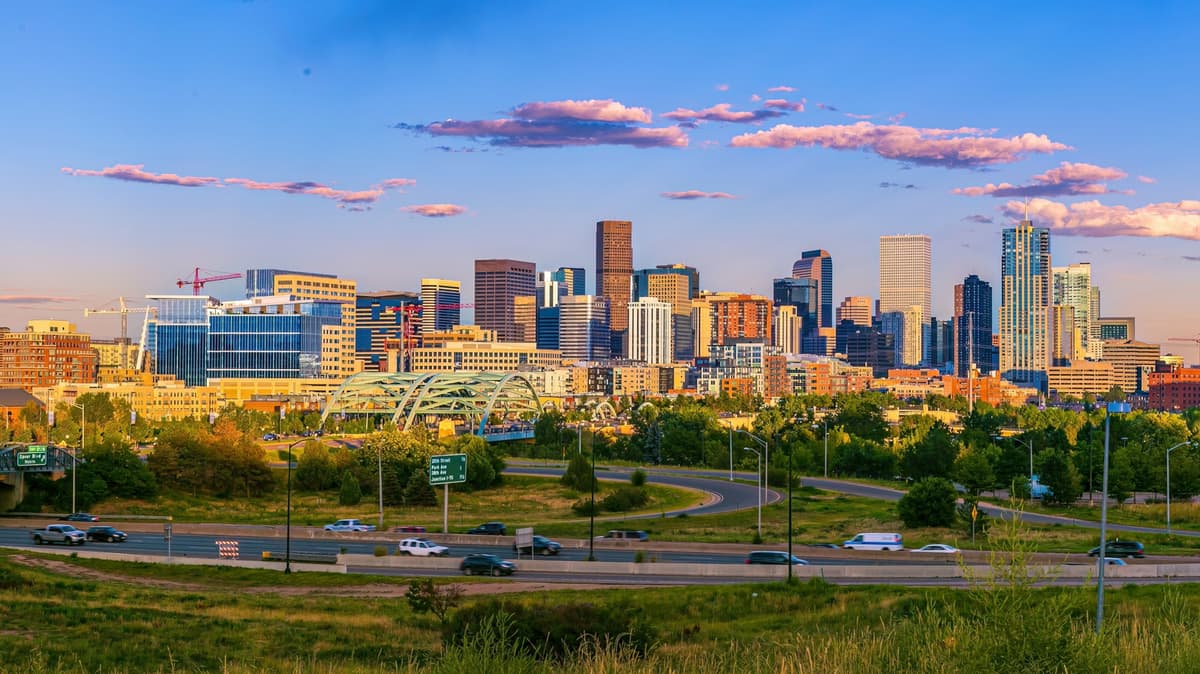
How Altitude Affects Denver's Food (And Your Taste Buds) In A Negative Way
Why It Matters
Understanding altitude‑induced taste changes is crucial for restaurants aiming to deliver consistent flavor to locals and visitors, and for food businesses scaling recipes across regions.
Key Takeaways
- •Denver sits at 5,280 feet above sea level.
- •Boiling point drops to ~202°F, affecting cooking times.
- •Sweet and salty perception diminishes, muting flavors.
- •Add extra salt, sugar, or umami to compensate.
- •Use aromatics and moisture techniques for tender meat.
Pulse Analysis
Altitude influences taste perception by reducing the sensitivity of taste buds to sweet and salty compounds. At 5,280 feet, the thinner air lowers the partial pressure of oxygen, which subtly impairs the gustatory receptors. Travelers often notice a 30 % flavor drop on flights, and Denver experiences a milder but still noticeable version. For restaurateurs, this means dishes that rely on nuanced seasoning can fall flat unless they adjust their flavor profile, making awareness of altitude effects a competitive advantage in a city famed for its food scene.
The physics of cooking change dramatically at higher elevations. Water boils around 202 °F instead of the standard 212 °F, extending the time needed for pasta, grains, and braised dishes to reach doneness and increasing moisture loss. Chefs mitigate these challenges by increasing salt and sugar levels, incorporating umami‑rich sauces, and amplifying aromatic bases such as garlic, onion, and herbs. Moisture‑preserving techniques—like marinating with acids, adding stock, and covering pans—help keep proteins tender, while slightly lower heat settings prevent premature browning.
From a business perspective, Denver’s altitude demands menu engineering and staff training. Restaurants that proactively adjust recipes can maintain flavor consistency, enhancing guest satisfaction and repeat business. Moreover, the need for altitude‑specific guidance creates opportunities for culinary consultants, specialty ingredient suppliers, and cooking‑class providers. As more consumers travel to high‑altitude destinations, the insights gained in Denver can be exported to other markets, positioning the city as a thought leader in altitude‑aware gastronomy.
How Altitude Affects Denver's Food (And Your Taste Buds) In A Negative Way
Comments
Want to join the conversation?
Loading comments...