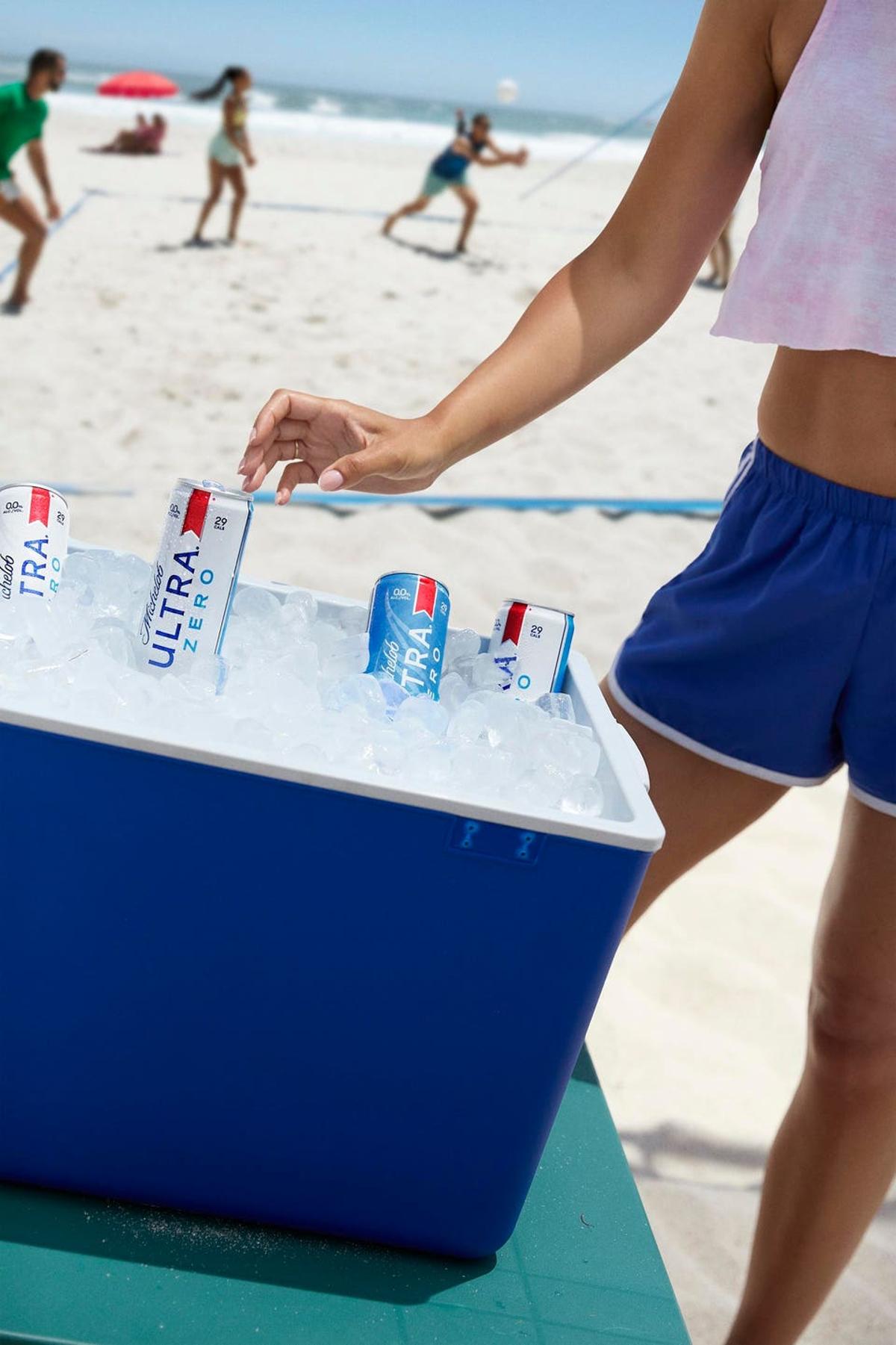
How Michelob Ultra Zero Became The Best Selling Non-Alcoholic Beer In America
•March 2, 2026
0
Why It Matters
The rapid ascent of Michelob ULTRA Zero validates the profitability of premium non‑alcoholic extensions and signals a shift toward healthier, low‑alcohol options in a shrinking beer market. It forces competitors to accelerate their own zero‑proof portfolios to capture emerging demand.
Key Takeaways
- •Zero launched Jan 2025, topped NA market by Jan 2026.
- •AB InBev leveraged Ultra brand strength for non‑alcohol growth.
- •Non‑alcoholic segment still under 1.5% of total beer.
- •Super Bowl ads boosted awareness and new drinker acquisition.
- •Michelob Ultra sales rose 4% despite overall beer decline.
Pulse Analysis
The U.S. beer landscape has been on a downward trajectory for years, yet the non‑alcoholic segment is defying that trend. Representing under 1.5% of total beer volume, zero‑proof brews are projected to generate $1.2 billion within five years, driven by health‑conscious consumers and a growing acceptance of low‑alcohol alternatives. Anheuser‑Busch, the industry’s largest brewer, has capitalized on this niche by deploying its extensive distribution network and marketing muscle, positioning Michelob ULTRA Zero as a flagship product in a category still in its infancy.
Michelob ULTRA Zero’s success rests on a strategic brand extension that mirrors the parent Ultra’s active‑lifestyle narrative. Launched in early 2025, the beer was thrust into the national spotlight through Super Bowl spots in 2025 and 2026, instantly reaching a broad audience. Nielsen IQ data shows that nearly three‑quarters of non‑alcoholic beverage consumers are newcomers, and the Ultra campaign attracted many of these first‑time drinkers. The product’s nationwide availability in 12‑pack cans and 6‑pack bottles, combined with a modest price point, helped it outpace rivals such as Budweiser Zero and Busch NA, while the parent Michelob Ultra enjoyed a 4% sales lift despite a 4% overall market contraction.
The ripple effect is reshaping the competitive field. Heineken 0.0 remains the premium‑priced leader by dollars, and Athletic Brewing dominates the craft‑style NA segment, but AB InBev’s momentum forces rivals to accelerate innovation, as seen with Coors and Modelo rolling out their own zero‑proof offerings. The introduction of Michelob ULTRA Zero Lime hints at a broader flavor expansion strategy aimed at deepening consumer engagement. Investors are watching closely, recognizing that success in the non‑alcoholic arena could become a key growth engine for brewers navigating a declining traditional beer market.
How Michelob Ultra Zero Became The Best Selling Non-Alcoholic Beer In America
0
Comments
Want to join the conversation?
Loading comments...