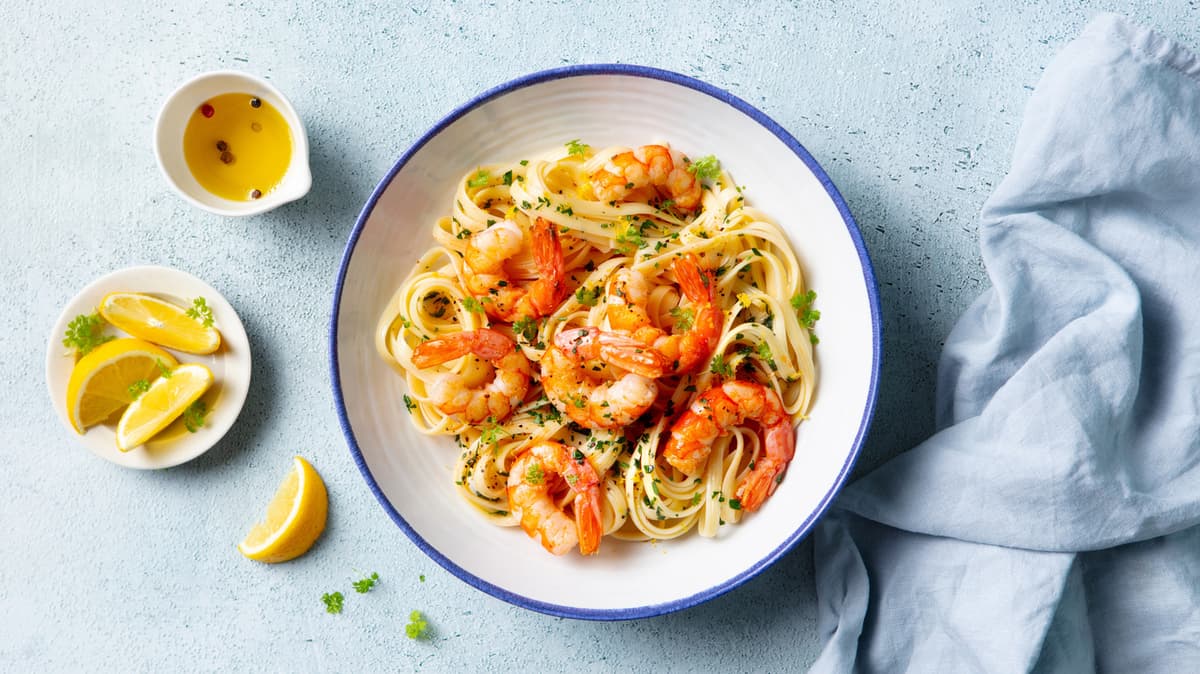
How To Choose The Best Shrimp Size For Your Seafood Dish
•March 8, 2026
0
Why It Matters
Choosing the right shrimp size improves dish quality and reduces waste, directly impacting restaurant margins and consumer satisfaction.
Key Takeaways
- •Shrimp size indicated by numbers; larger numbers = smaller shrimp
- •Large shrimp retain juices, suit grilling and appetizers
- •Small shrimp absorb marinades, ideal for sauces
- •Overcooking makes shrimp rubbery; timing varies by size
- •Choose size based on dish role, from dips to star
Pulse Analysis
Shrimp sizing can be confusing for both home cooks and professional kitchens, but the industry-standard numbering system provides a clear guide. A label such as 61/70 means 61 to 70 shrimp per pound, while U/15 denotes under fifteen large pieces per pound. This metric helps buyers forecast portion costs and align inventory with menu pricing, especially as global shrimp imports fluctuate with seasonal harvests and trade policies.
Culinary applications hinge on the interplay between size, flavor, and cooking technique. Larger shrimp, often described as "jumbo" or "colossal," hold their shape on high‑heat grills and retain a sweet, briny bite, making them ideal for cocktail presentations or skewers. Conversely, petite shrimp absorb marinades quickly and blend seamlessly into pasta sauces, stir‑fries, and dumpling fillings. Chefs must adjust cooking times—small shrimp may finish in under two minutes, while jumbo varieties require careful monitoring to avoid the dreaded rubbery texture that diminishes consumer appeal.
For restaurants and seafood suppliers, aligning shrimp size with menu concepts drives profitability and sustainability. Offering a range of sizes allows establishments to craft tiered dishes—from budget-friendly shrimp tacos using medium shrimp to premium surf‑and‑turf plates featuring super‑colossal shrimp. Accurate sizing also reduces waste, as chefs can portion precisely, minimizing over‑purchase and spoilage. As diners increasingly seek transparency, clear labeling and educated staff become competitive differentiators in the crowded seafood market.
How To Choose The Best Shrimp Size For Your Seafood Dish
0
Comments
Want to join the conversation?
Loading comments...